The answer to how to break in shoes heel rubbing is straightforward: wear them in short sessions and let the material soften gradually around your foot. That's the foundation. But there are faster techniques worth layering on top, and a few common mistakes that make the whole process take longer than it should. For more practical footwear advice, browse our boot tips and guides section.
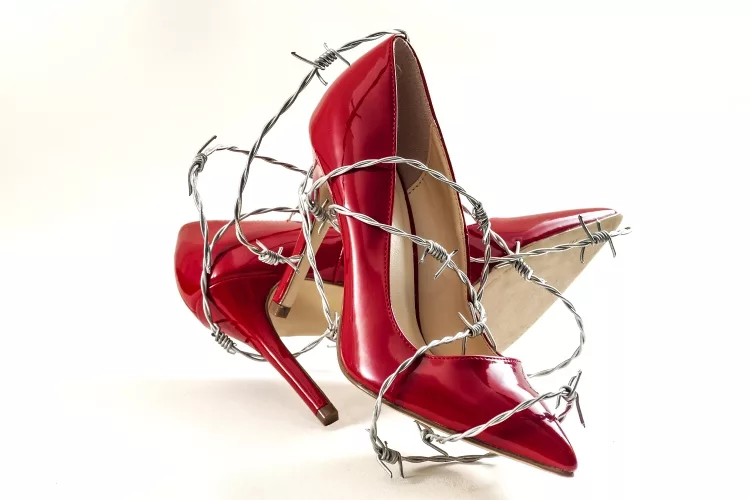
Heel rubbing happens because of friction between your skin and the shoe's heel counter — the stiff cup at the back that gives the shoe its structure. When a shoe is brand new, that counter hasn't yet molded to your foot's unique shape. With every step, your heel moves slightly differently than the shoe does, and that repeated micro-movement is what creates the raw skin and blisters. The good news is that this problem is almost always solvable.
Before trying any fix, check your fit. A shoe that's too large will slip at the heel regardless of what you do to the material. A shoe that's too narrow can cause rubbing along the sides even after full break-in. Fit is the foundation of everything here — if your foot mechanics are part of the issue, it's worth reading how to choose the right shoes for flat feet before buying your next pair.
Contents
How to Break In Shoes at the Heel: A Gradual Strategy
The most reliable way to deal with heel rubbing is also the least exciting: gradual wear over multiple sessions. It works across every shoe type — leather work boots, dress shoes, synthetic sneakers, and even cowboy boots, which are notorious for their stiff heel counters. Your foot needs time to press the material into its shape, and the material needs repeated cycles of heat and pressure to relax.
The temptation is to push through on day one — wear the new shoes for a full eight-hour shift and hope they soften up. That approach almost always backfires. You end up with blisters, and blisters slow the whole process down because now you can't wear the shoes at all while your skin heals.
The Sock Layering Method
Wearing two pairs of socks at once is one of the most effective gradual break-in tools. A thin moisture-wicking liner sock underneath and a thicker cushioned sock over the top adds a padding layer between your heel and the shoe while also gently stretching the material from the inside. The extra thickness pushes outward on the heel counter and helps it conform faster without any additional tools or products.
- Choose a liner sock that wicks moisture — wet skin blisters faster than dry skin
- Layer a cushioned work sock on top with extra padding at the heel
- Wear for 30–60 minutes the first session, then remove
- Increase wear time by 15–20 minutes per session as comfort improves
The sock you choose matters more than most people realize. A thin, flat sock provides almost no protection during break-in. For recommendations on socks specifically designed for work boot use, check out the 20 best work boot socks — several of them are built with reinforced heel padding that helps during exactly this phase.
Short Wear Sessions
Never debut new shoes on a long shift or a big day out. That's the single rule that prevents most break-in disasters. Wear new shoes around the house for short sessions — 30 minutes to an hour — for five to seven days before using them at work or for extended walking. This gives both your heel skin and the shoe material time to adapt without reaching the friction threshold that causes blisters.
If the shoes feel noticeably better after three or four days of home wear, that's a reliable indicator the material is softening and you can start increasing the duration. If there's no improvement at all after a full week, the problem may be fit rather than stiffness.
Fast Fixes to Stop Heel Rubbing Right Now
Sometimes you need relief today, not next week. These methods won't fully break in a shoe, but they'll get you through a shift without tearing up your heels. Think of them as tools that buy you time while the gradual process continues in the background.
Moleskin and Blister Tape
Moleskin — a soft, adhesive-backed padding available at any pharmacy — applied directly to your heel creates a smooth barrier between skin and shoe. Cut it to match the shape of the problem area and press it firmly so it stays put through a full day of movement. Blister-prevention products like Body Glide or specialized sports tape work similarly.
- Apply to clean, dry skin before putting the shoe on
- Replace daily or when it starts lifting at the edges
- Petroleum jelly rubbed onto the heel skin is a free alternative that reduces friction on contact
- Some people find that applying tape to the inside of the shoe's heel counter (rather than the skin) works equally well
Leather Softeners and Stretching Sprays
If your shoes have a leather heel counter, a softening product applied directly to that area can accelerate break-in noticeably. The goal is to make the leather more pliable so it gives rather than fights with every step. Apply conditioner or boot oil to the inside of the heel counter — that's the surface actually touching your foot — and let it absorb for 20 minutes before wearing.
A shoe stretching spray applied to the outside of the heel counter, followed immediately by wearing the shoe with thick socks, combines chemical softening with mechanical pressure. The combination works faster than either method alone. If you're unsure which product to use on your specific leather, this comparison of boot oil vs. mink oil breaks down the differences clearly.
Conditioning and Care to Speed Up Break-In
Breaking in shoes is an ongoing process, not a one-time event. Regular care during the break-in period keeps the leather supple and prevents it from snapping back to stiffness after each wear. A well-maintained shoe also holds its shape better once it has conformed to your foot.
Using Leather Conditioner Correctly
Apply a quality leather conditioner every three to five wears during the break-in phase. Focus on the heel counter and the back upper. Conditioned leather is flexible leather — it bends with your foot rather than resisting it. After applying, let it soak in for at least 20 minutes, then wipe away any excess with a clean cloth before wearing.
According to the Wikipedia article on blisters, friction blisters form when repetitive mechanical force separates layers of skin — exactly what a stiff heel counter does when it moves against the same spot repeatedly. Conditioning the material directly reduces that mechanical force.
Ongoing Shoe Care Habits
A few simple habits during the break-in period make a measurable difference in how fast the shoe conforms:
- Let shoes air out fully between wears — residual moisture from your foot helps soften leather from the inside
- Use cedar shoe trees to maintain the heel shape and absorb overnight moisture
- Avoid leaving new leather shoes in direct sunlight or near heat sources, which dries and stiffens the material
- Rotate between two pairs if possible, giving each pair time to recover between sessions
When to Keep Going — and When to Stop
Not all heel discomfort means the shoe is breaking in. Some of it means the shoe is wrong for your foot entirely. Telling the difference saves you from weeks of unnecessary pain — and from permanently damaging your heel skin in the process.
Normal Discomfort vs. Real Pain
Normal break-in discomfort feels like mild rubbing or slight pressure at the heel. It usually appears in the first 15–30 minutes and fades as the shoe warms up. You might have a small pink area or a hot spot after removing the shoe, but no broken or open skin. This is the shoe doing what it's supposed to do — conforming. It's worth tolerating gradually.
Stop if you develop open blisters, sharp bone-level pain, or numbness. Open blisters mean you've gone too far too fast. Sharp, deep pain at the heel bone — especially pain that feels internal rather than surface-level — can indicate the heel counter is pressing directly on your Achilles tendon, which is a fit or design issue, not a break-in issue. Numbness usually points to a width problem.
Signs the Shoe Is the Wrong Fit
- Your heel lifts more than a few millimeters with every step
- The rubbing shows zero improvement after a full week of gradual wear
- Blisters form in multiple locations, not just the heel
- The toe box feels tight even after two weeks of use
If two or more of these apply, no amount of conditioning or padding will fully fix the problem. Insoles or heel pads can sometimes close a minor volume gap and reduce lift — if foot fatigue or pain becomes a broader issue, our guide to the best work boots for sore feet covers footwear built with wider heel volume and cushioned counters that start comfortable from day one.
Best Practices for a Pain-Free Break-In
A little preparation before you ever put the shoe on makes every session easier. These habits apply to any shoe type and any material — the specifics may vary, but the logic is the same.
Method Comparison
| Method | Best For | Time to Relief | Estimated Cost |
|---|---|---|---|
| Thick sock layering | Leather boots and dress shoes | 3–7 days | Free (if you own socks) |
| Moleskin / blister tape | Immediate day-of protection | Same day | $5–$10 |
| Leather conditioner or boot oil | Stiff leather heel counters | 5–10 days | $10–$25 |
| Shoe stretching spray | Tight leather heel areas | 2–5 days | $8–$15 |
| Professional cobbler stretching | Expensive or stubborn shoes | 1–2 days | $15–$30 |
| Heel grips or insole pads | Slight heel lift or volume gaps | Same day | $10–$20 |
Long-Term Habits That Pay Off
Once you've gotten through the break-in phase, keeping the shoe maintained prevents the material from stiffening back up after extended storage — which is a real issue with work boots that sit unused between jobs or seasons.
- Condition leather every four to six weeks during regular use, more often in dry climates or during winter
- Replace heel pads or cushioned insoles when they compress flat — flattened padding provides no protection
- Inspect the heel lining periodically. When the lining wears through, friction increases dramatically — get it repaired before it becomes a bigger problem. The boot heels repair DIY guide walks through several options for patching and relining
- Store work boots with shoe trees or rolled socks inside the heel to maintain the counter's shape
Work boots take more abuse than most footwear. A break-in period that's handled correctly sets you up for months of comfortable use on tough terrain and long shifts. Rushing it costs you more time in the end — both in skin recovery and in replacing footwear that never quite fit right.
Frequently Asked Questions
How long does it typically take to break in shoes that rub the heel?
Most shoes with minor heel rubbing soften noticeably within one to two weeks of regular short-session wear. Stiff leather work boots can take three to four weeks of consistent use before fully conforming. Applying leather conditioner and using thick socks can cut that timeline significantly. If there's no improvement after two full weeks of gradual wear, the fit is likely the issue rather than stiffness.
Can I use a hair dryer to soften the heel counter faster?
Yes, with care. Apply leather conditioner to the inside of the heel counter first, then use a hair dryer on medium heat for 20–30 seconds while gently flexing the heel back and forth. Immediately put the shoe on with thick socks while the leather is still warm and walk around for 15–20 minutes. The heat makes the leather more receptive to pressure. Avoid high heat settings — they can dry out and crack the leather permanently.
Do heel grips actually work, or are they just a temporary fix?
Heel grips serve two distinct purposes. As a friction reducer, they're a temporary fix that protects your heel while the shoe breaks in. As a volume filler, they can be a permanent solution when the shoe is slightly too large and your heel lifts with each step. If the shoe fits properly but the counter is just stiff, grips buy you time. If the shoe is too big, grips can make it genuinely wearable long-term — but they're not a substitute for a proper fit.
The shoe that fits your life is the one you broke in right — rushing the process just means starting over with blisters.


About Jason Flores
Jason Flores is a multi-talented individual whose unique journey has led him to blend his passion for craftsmanship and fashion into a creative endeavor. During his formative years, he found himself immersed in the world of handiwork, spending countless hours in his grandfather's workshop. These early experiences allowed him to develop a deep understanding of practical skills and a keen eye for detail.Simultaneously, Jason harbored an innate love for fashion, drawn to the artistry and self-expression it offers. As he grew older, he recognized the potential to combine his proficiency in craftsmanship with his fashion sensibilities. This realization led him to a path where he began to explore and write about the intersection of fieldwork fashion.
Get FREE Boots Gifts now. Or latest free toolsets from our best collections.
Disable Ad block to get all the secrets. Once done, hit any button below