Standing on a frozen job site at 6 a.m., your toes numb before the morning briefing wraps up — that's a productivity killer and a safety hazard rolled into one. Most workers in outdoor trades write it off as unavoidable. It isn't. Understanding how to keep feet warm in boots is one of the highest-impact changes you can make to your cold-weather workday, and the fixes are almost always simpler than you'd expect. For more practical boot comfort and care advice, explore the boot tips and guides resource hub.
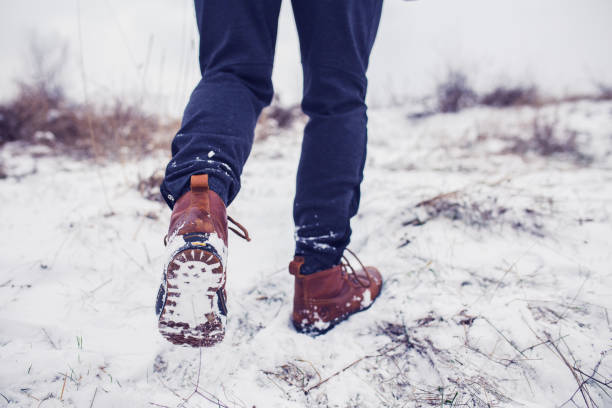
Cold feet almost always trace back to three fixable variables: the wrong socks, poor boot fit, and ignored moisture buildup. Once you understand how each factor undermines foot warmth, you can address them systematically. The mechanics aren't complicated — insulation traps heat, moisture wicks it away, and poor circulation starves your toes of the warm blood they need. Miss any one of those, and the other two can't compensate.
This guide covers every layer of the cold-weather boot system, from the fiber touching your skin to the midsole composition underfoot. Whether you're working construction, logging, or utility maintenance in freezing conditions, the principles are the same — and they work.
Contents
Smart Habits and Layering Tips for Keeping Feet Warm in Boots
Sock Selection: The Foundation of Warmth
Your sock is the single most influential variable in foot warmth — more than boot brand, more than insulation rating. Merino wool remains the gold standard for cold-weather work socks. It insulates even when wet, resists odor, and regulates temperature more effectively than any synthetic blend. A midweight merino sock in the 18–22 micron range delivers the right balance of warmth, durability, and breathability for most trades work.
Avoid cotton entirely in cold conditions. Cotton absorbs moisture and holds it against your skin, creating a cold, clammy environment that accelerates heat loss. This isn't preference — it's thermodynamics. Synthetic moisture-wicking liners worn under a wool mid-layer are the preferred setup for workers dealing with high sweat output on physically demanding jobs.
Pro tip: Never wear two thick wool socks on top of each other — compression cuts circulation. One well-fitted merino midweight sock outperforms a double-layered setup every time.
Insoles That Actually Retain Heat
Most work boots ship with flat foam insoles that do almost nothing for thermal insulation. Upgrading to a dedicated cold-weather insole — particularly ones with a foil or Mylar reflective layer — makes a measurable difference. These insoles reflect your own body heat back toward your foot rather than letting it dissipate into the midsole and ground. Brands like Superfeet and Spenco offer cold-specific options with cushioning profiles designed for all-day standing. For workers dealing with both cold and comfort fatigue, this is one of the best low-cost interventions available.
How to Build Your Cold-Weather Boot System Step by Step
Get Boot Fit Right First
No amount of sock layering compensates for a boot that fits incorrectly. If your boot is too tight, it compresses the blood vessels in your foot and restricts the warm blood flow your toes depend on. If it's too loose, your foot slides, friction builds, and heat dissipates faster. Your boot should allow your toes to wiggle freely while keeping your heel firmly seated — no lift, no slide. If you're dealing with heel movement, it's worth reading up on how to fix heel slippage in boots before adding more sock volume to compensate. Knowing the different types of boots available also helps you match construction to climate from the start.
Strategic Sock Layering in Practice
For extreme cold, the dual-layer approach works well when executed correctly. Start with a thin moisture-wicking liner sock — merino or synthetic — worn directly against the skin. Over that, add a midweight wool sock. The liner pulls sweat away from your skin so it doesn't sit there and chill you, while the outer sock provides the thermal mass. The key is ensuring you have enough room in the boot toe box for both layers without cramping. If you have to force the fit, go back to a single quality midweight sock and add a thermal insole instead.
Heat Packs and Electric Warmers
Air-activated toe warmers — the disposable variety — are a legitimate tool for extreme conditions. They last 5–8 hours and generate consistent heat without bulk. Place them on top of your sock over the toe box, not underneath your foot where you'll compress and kill the reaction. Rechargeable electric heated insoles have come down significantly in price and offer precise temperature control through a paired app. For workers on overnight shifts or in sub-zero environments, OSHA's cold stress guidance reinforces why active heating measures are worth the investment — cold stress and frostbite are real occupational hazards.
Cold Feet Myths That Are Costing You Comfort
Myth: Thick Socks Always Mean Warm Feet
This is the most common mistake on cold job sites. Thick socks in a snug boot compress your toes, restrict blood flow, and leave you colder than a single well-fitted sock would. Warmth comes from trapped air and unimpeded circulation — not raw sock volume. If your toes are crammed, no fiber technology saves you. Fit your boots with the socks you intend to wear before you buy, not after.
Myth: Steel Toe Boots Are Too Cold for Winter
Steel does conduct cold, but modern boot construction largely mitigates this. The steel cap sits in the toe box, separated from your foot by sock layers and insole. When your boot has adequate midsole insulation and you're wearing proper socks, the steel cap's thermal conductivity is a minor factor. The comparison between composite toe vs steel toe boots is worth reading if you're making a new purchase — composite caps are genuinely warmer in extreme cold, but a well-insulated steel toe boot with the right sock system performs well for most trade applications.
Field note: If steel toe cold is a real concern for your environment, pair your boots with a thermal sock liner and a reflective insole — that combination neutralizes most of the conductive disadvantage.
Myth: Waterproof Means Warm
Waterproofing and insulation are independent boot features. A waterproof boot with zero insulation rating keeps your feet dry and still freezing cold. Conversely, an insulated but non-waterproofed boot will eventually soak through in wet conditions, and wet insulation loses most of its thermal value. You need both properties in cold, wet environments. When boots do get saturated, knowing how to dry work boots properly without damaging the insulation is critical — heat sources like campfires and direct radiator exposure degrade foam and leather faster than you'd expect. A more detailed breakdown of safe drying methods is also covered in the guide on how to dry boots correctly.
What It Actually Costs to Stay Warm in Work Boots
Budget Tiers Broken Down
Staying warm doesn't require the most expensive gear on the market, but spending nothing on the right components is a false economy. Here's a realistic look at what each tier of the cold-weather boot system costs and what it delivers:
| Component | Budget Option | Budget Cost | Premium Option | Premium Cost |
|---|---|---|---|---|
| Work Socks | Synthetic blend midweight | $8–$15/pair | Merino wool midweight (Darn Tough, Smartwool) | $22–$35/pair |
| Insoles | Generic foam thermal insole | $10–$18 | Superfeet or Spenco cold-specific insole | $40–$65 |
| Toe Warmers | Disposable air-activated (10-pack) | $8–$12 | Rechargeable electric heated insoles | $60–$120 |
| Winter Work Boot | 200g Thinsulate insulated boot | $90–$140 | 400–800g insulated, full waterproof leather | $175–$350 |
| Moisture-Wicking Liner | Synthetic liner sock | $5–$10/pair | Thin merino liner sock | $15–$25/pair |
A functional cold-weather system — decent socks, a reflective insole, and a pair of 400g insulated waterproof boots — runs approximately $250–$320 total. That's a one-time investment that lasts multiple seasons with proper care. Compare that to the productivity loss, discomfort, and potential health costs of working cold, and the math is straightforward.
Insulation Materials Side by Side
Which Insulation Type Is Right for Your Work?
Boot insulation ratings are measured in grams per square meter of fill weight. Higher isn't always better — it depends on your activity level and environment. A worker moving constantly generates significant body heat and may overheat in an 800g boot, while a worker standing stationary on frozen concrete needs every gram of insulation available. Understanding the insulation material matters as much as the rating. See also how hiking boots compare to shoes when evaluating insulation trade-offs for active versus static work environments.
| Insulation Type | Warmth-to-Weight | Performance When Wet | Best For | Common Rating |
|---|---|---|---|---|
| Thinsulate (3M) | Excellent | Good | All-day active work | 200g–800g |
| PrimaLoft | Excellent | Very good | Wet, active environments | 200g–600g |
| Down (rare in work boots) | Best dry | Poor | Dry extreme cold, minimal movement | Variable |
| Wool Lining | Good | Good | Moderate cold, all-day comfort | N/A (lining) |
| Foam/Generic Fill | Moderate | Poor | Budget boots, mild cold only | 100g–200g |
For most trade workers in cold-but-not-extreme conditions, 200g Thinsulate paired with a quality merino sock and reflective insole hits the sweet spot. Workers on construction sites in sub-zero temperatures benefit from 400g–600g rated boots. Above 600g is generally reserved for stationary or very low-activity applications — think ice fishing shacks, not framing crews. Also relevant to your boot selection decisions is understanding the difference between electrical hazard and static dissipative work boots when your cold-weather boot also needs to meet specific safety ratings.
Frequently Asked Questions
What type of socks keep feet warmest in work boots?
Merino wool midweight socks are the best choice for cold-weather work boots. They insulate even when damp, regulate temperature effectively, and resist odor buildup during long shifts. Avoid cotton entirely — it retains moisture and accelerates heat loss.
How do I stop my feet from sweating and getting cold in boots?
Wear a thin moisture-wicking liner sock under your wool midweight sock. The liner pulls sweat away from your skin so it doesn't chill you as it cools. Make sure your boots have breathable lining and that you're not over-insulating for your activity level.
Are insulated boots always warmer than non-insulated boots?
No. Insulation rating only matters alongside proper sock selection and moisture management. A 400g insulated boot worn with cotton socks in wet conditions will leave your feet colder than a non-insulated boot worn with proper merino socks in dry conditions.
Do disposable toe warmers actually work?
Yes — air-activated toe warmers are effective when placed correctly. Position them on top of your sock over the toe box, not underneath your foot. Compression kills the exothermic reaction. They typically generate consistent heat for 5–8 hours and are reliable down to well below freezing.
Can the wrong boot size cause cold feet?
Absolutely. A boot that's too tight compresses blood vessels and restricts circulation to your toes, which is the primary mechanism for keeping them warm. Your toes should wiggle freely with your intended sock layer on. If they don't, size up half a size.
What's the best insole for cold weather work boots?
Look for insoles with a reflective Mylar or foil layer that bounces your body heat back toward your foot. Brands like Superfeet and Spenco offer cold-specific options. These outperform standard foam insoles significantly in sub-freezing conditions.
How do I keep feet warm in steel toe work boots?
Use a thermal reflective insole, wear merino wool socks, and ensure your boot fit allows free toe movement. The steel cap conducts cold, but proper insole and sock selection neutralizes most of the disadvantage. Composite toe boots are inherently warmer, but a well-layered steel toe boot performs adequately for most trade work.
Does waterproofing help keep feet warm in boots?
Waterproofing prevents heat-robbing moisture intrusion, so yes — it contributes indirectly to warmth in wet environments. However, waterproofing and insulation are separate features. You need both for cold, wet conditions. A waterproof boot with no insulation rating is still a cold boot.
Key Takeaways
- Knowing how to keep feet warm in boots starts with merino wool socks and proper fit — no layering system works if your boot compresses your toes and cuts circulation.
- Moisture is the primary enemy of foot warmth; use moisture-wicking liners, waterproof boots, and dry your boots thoroughly between shifts.
- Match your insulation rating to your activity level — 200g for active work, 400g–600g for stationary exposure in sub-zero conditions.
- Upgrading to a reflective thermal insole is the highest-ROI single purchase you can make for cold-weather comfort in existing work boots.


About Jason Flores
Jason Flores is a multi-talented individual whose unique journey has led him to blend his passion for craftsmanship and fashion into a creative endeavor. During his formative years, he found himself immersed in the world of handiwork, spending countless hours in his grandfather's workshop. These early experiences allowed him to develop a deep understanding of practical skills and a keen eye for detail.Simultaneously, Jason harbored an innate love for fashion, drawn to the artistry and self-expression it offers. As he grew older, he recognized the potential to combine his proficiency in craftsmanship with his fashion sensibilities. This realization led him to a path where he began to explore and write about the intersection of fieldwork fashion.
Get FREE Boots Gifts now. Or latest free toolsets from our best collections.
Disable Ad block to get all the secrets. Once done, hit any button below