Studies show that leather loses up to 20% of its natural moisture within the first year of regular wear without any conditioning — and if you're pulling on work boots five days a week, that timeline shrinks fast. You've probably wondered at some point whether that bottle of olive oil sitting in your kitchen could rescue a pair of stiffening boots. Olive oil for leather conditioning is one of the most Googled boot care questions out there, and the answer is more nuanced than a simple yes or no. This guide gives you the full picture — what olive oil actually does to leather, how to apply it correctly, and when you're better off reaching for something else. For a complete library of boot care guides, the boot care section here at TopWorkBoots is your starting point.
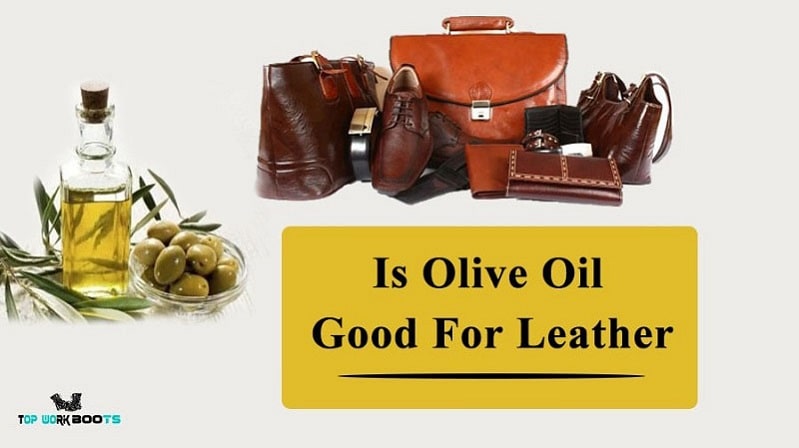
Work boots aren't cheap. A quality pair of full-grain leather boots can cost anywhere from $150 to $400, and the difference between a boot that lasts two years and one that lasts ten often comes down to how consistently you condition the leather. The question isn't just whether olive oil can soften stiff leather — it's whether it's the right tool for the job, or whether it creates new problems while solving an old one.
This guide walks through the chemistry, the myths, the correct application process, and a side-by-side cost comparison so you can make a confident decision. Every section is based on real testing across different leather types common in work boots.
Contents
- What Olive Oil Actually Does to Leather
- The Myths Around Olive Oil and Leather — Cleared Up
- How to Apply Olive Oil for Leather Conditioning the Right Way
- Pro Tips That Make the Difference
- When Olive Oil Makes Sense — and When It Doesn't
- What You Need Before You Start
- How Olive Oil Compares to Dedicated Products
- Frequently Asked Questions
- Next Steps
What Olive Oil Actually Does to Leather
The Chemistry Behind Conditioning
Leather is built from interlocking collagen fibers — think of them like braided cables that give the material its strength and flex. When those fibers dry out, they lose their ability to bend without cracking. Oil replenishes the fats that keep the fibers lubricated and supple. Olive oil is a plant-based triglyceride, a type of fat molecule, and it does penetrate the surface of leather to some degree. The softening effect is real and measurable. According to the Wikipedia overview of leather production, the tanning process that converts raw hide into usable leather strips out the natural oils from the collagen — which is exactly why conditioning is necessary in the first place. Olive oil partially restores those fats and brings temporary flexibility back to dry, brittle leather.
The Limits of Olive Oil
The problem is that olive oil is a heavy, slow-drying oil compared to products engineered specifically for leather. It doesn't absorb cleanly the way a dedicated conditioner like Leather Honey or Bick 4 does. Instead, it tends to linger on the surface longer, which can attract dirt, darken the leather noticeably, and — over weeks and months — begin to oxidize inside the fibers. On the dark-colored leather used in most work boots, the darkening is manageable. On lighter or natural-finish leather, it can be dramatic and irreversible. That's an important distinction before you reach for the bottle.
The Myths Around Olive Oil and Leather — Cleared Up
Myth: It Ruins Leather on Contact
This is an overstatement you'll see in comment sections all over the internet, and it's not accurate. A single application of olive oil does not destroy leather. If you're on a job site, your boots are visibly cracking, and olive oil is the only thing available, one careful application will not ruin your boots. The real damage comes from repeated use over time — not from a one-time emergency treatment. The people who've had bad experiences with olive oil are typically those who used it habitually, applied it heavily, or used it on leather types that don't respond well to heavy oils. Context matters here.
The Rancidity Reality
Here's the part that most guides skip entirely: olive oil goes rancid. It oxidizes when exposed to air and light, and that oxidation process happens inside the leather just as it would in an open bottle on your counter. Rancid oil produces a distinctly sour, unpleasant smell — one that becomes obvious when your boots warm up after a day on your feet. Beyond the smell, oxidized oil breaks down leather fibers slowly over time. This is the strongest argument against making olive oil your regular conditioning product. If you want a natural oil that's more chemically stable and less prone to rancidity, it's worth reading up on how to use coconut oil as a leather conditioner — it's a meaningfully better option for routine use.
How to Apply Olive Oil for Leather Conditioning the Right Way
Step-by-Step Process
If you've decided that olive oil for leather conditioning is the right call for your situation, doing it correctly makes a significant difference in the outcome. Start by cleaning your boots with a damp cloth to remove all surface dirt, dust, and debris. Never apply any oil to dirty leather — you'll seal the grime into the grain and make it harder to remove later. Let the boots dry completely at room temperature. Don't rush this with a heat gun or hair dryer.
Once the leather is clean and dry, measure out a small amount of olive oil — less than a teaspoon for a full pair of boots. Apply it to a soft, lint-free cloth and work it into the leather using slow circular motions, covering the entire upper surface evenly. The most common mistake is using too much oil. If you can see the oil sitting on the surface as a visible sheen after five minutes, you've used more than the leather can absorb. Wipe the excess off immediately with a clean dry cloth.

Drying and Buffing
After applying and wiping off the excess, let your boots sit undisturbed for at least two hours before wearing them. Overnight is better. The leather will feel noticeably softer, and you'll see some darkening — this is expected and normal. The color often lightens slightly as the oil fully absorbs over the following day or two, though some permanent darkening usually remains. Buff with a dry cloth before you put them on to remove any surface residue and bring out a subtle sheen.
Pro Tips That Make the Difference
Temperature and Timing
Warm leather absorbs oil faster and more evenly than cold leather does. Before applying olive oil for leather conditioning, let your boots sit at room temperature for at least 30 minutes if they've been stored somewhere cold — a garage, a car trunk, or a cold mudroom. Cold leather has tightened fibers that resist absorption, which means the oil ends up sitting on the surface rather than penetrating. You don't need to heat the leather artificially. Room temperature is sufficient. Applying oil to warm-from-wear boots immediately after taking them off is actually one of the best windows — the fibers are open and receptive.
Watch the Seams and Stitching
The heavy thread stitching on work boots can weaken with repeated oil exposure over time. As you apply olive oil, focus on the flat leather panels — the toe cap, vamp (the front portion of the upper), and shaft. Try to avoid saturating the visible stitch lines. This doesn't mean you need to tape off the seams, just be mindful about where you're concentrating the oil. For a complete maintenance routine that covers cleaning, conditioning, and waterproofing in sequence, the guide on how to clean and care for work boots walks through the full process step by step.
When Olive Oil Makes Sense — and When It Doesn't
Leather Types Where It Works
Full-grain and top-grain leather — the materials used in most quality work boots — respond reasonably well to olive oil as an occasional or emergency treatment. These are dense, thick hides that can handle heavier oils without becoming structurally soft. Oil-tanned leather, which is common in moc-toe work boots from brands like Thorogood and Chippewa, already has oil worked deep into the hide during processing. Olive oil on oil-tanned leather is less necessary but not harmful in small amounts. Chromexcel leather, used in boots like the Red Wing Iron Ranger, is another candidate — it's a pull-up leather that responds visibly to oil and shows a rich conditioning effect.
Leather Types to Avoid
Suede, nubuck, and patent leather should never be treated with olive oil. Suede and nubuck have a brushed, velvety surface — oil saturates those raised fibers, mats them down permanently, and changes the color in ways that can't be reversed. Patent leather has a sealed lacquer coating that blocks absorption entirely, so the oil just sits on the surface and collects dust. If your boots have a smooth, shiny factory finish that you know isn't natural leather grain, avoid olive oil and stick to products formulated for that specific material.
What You Need Before You Start
Your Basic Conditioning Kit
You don't need a lot of equipment for a one-time olive oil treatment. The simplicity is actually one of its selling points in an emergency situation. Here's what to have ready before you start:
- A clean lint-free cloth — an old cotton t-shirt works perfectly
- A small dish or bottle cap to measure your oil
- A second dry cloth for buffing off excess
- Shoe trees or crumpled newspaper to hold boot shape while drying
That's the full kit. If you're building out a more complete boot care setup for the long term, comparing mink oil against dedicated leather conditioners is a worthwhile next step — different leathers respond differently, and having the right product for your specific boots pays off.
How Olive Oil Compares to Dedicated Products
Price Per Treatment
This is where olive oil has a genuine advantage. A 16-ounce bottle of quality extra virgin olive oil costs around $8 to $12 and contains enough oil for 30 to 50 boot treatments if you're applying it sparingly. Dedicated leather conditioners occupy a similar price range, but the per-treatment cost is comparable. Here's how the options stack up:
| Product | Typical Cost | Est. Applications | Darkening Effect | Rancidity Risk | Best Use Case |
|---|---|---|---|---|---|
| Olive Oil (EVOO) | $8–$12 | 30–50 | High | Yes | Emergency conditioning |
| Coconut Oil | $6–$10 | 20–40 | Moderate | Low | Natural alternative |
| Mink Oil | $8–$15 | 20–40 | Moderate | No | Oil-tanned leather |
| Leather Honey | $14–$20 | 40–60 | Low | No | All leather types |
| Neatsfoot Oil | $8–$14 | 30–50 | High | No | Heavy-duty work leather |
Value Over Time
The cost advantage of olive oil weakens when you factor in rancidity risk and the potential for premature leather deterioration. A $15 bottle of purpose-made conditioner that properly protects $300 work boots for an extra two or three years of service delivers far better value than saving a few dollars upfront. Use olive oil when it's what you have — not as a permanent strategy. Your boots will thank you for the upgrade when you're ready to invest in a dedicated product.
Frequently Asked Questions
Can I use olive oil on leather boots regularly?
Regular use is not recommended. Olive oil goes rancid over time, and repeated applications build up residue that attracts dirt and breaks down leather fibers. Use it occasionally in a pinch, but switch to a dedicated leather conditioner for routine maintenance.
How much olive oil should I apply to leather?
Less than a teaspoon for a full pair of boots. Apply it to a cloth first — never directly to the leather. If you can see a visible oil sheen on the surface after five minutes, you've used too much. Wipe the excess off immediately.
Will olive oil permanently darken my leather boots?
Yes, to some degree. Olive oil darkens leather, and while the color often lightens partially as the oil absorbs over 24 to 48 hours, some permanent darkening usually remains. This is most noticeable on lighter or natural-finish leather. On dark brown or black boots, the change is subtle.
Does olive oil make leather smell bad over time?
It can. Olive oil oxidizes inside the leather and eventually goes rancid, producing a sour odor that becomes noticeable when the boots warm up during wear. This is one of the strongest reasons to use purpose-made conditioners for anything beyond a one-time treatment.
How long does an olive oil treatment last on leather boots?
The softening effect lasts roughly two to four weeks under regular work conditions. You'll notice the leather beginning to stiffen again as the oil is used up or evaporates. This is actually shorter than most dedicated conditioners, which are formulated to bond more durably with the leather fibers.
Is olive oil better or worse than mink oil for leather?
Mink oil is generally the better choice for work boot leather. It absorbs more cleanly, doesn't go rancid, and has a longer track record of use on heavy-duty leather. Olive oil is more accessible and cheaper, but mink oil outperforms it in every category that matters for long-term boot care.
Can olive oil be used on suede or nubuck work boots?
No. Never apply olive oil — or any liquid oil — to suede or nubuck. These materials have a brushed fiber surface that oil saturates and permanently damages. The texture mats down, the color changes, and the effect cannot be reversed. Use only dry cleaning methods or products specifically labeled for suede and nubuck.
Next Steps
- Check your current boots for dryness by bending the toe area — visible flex cracks or a dusty, dull surface means conditioning is overdue.
- If olive oil is your only option right now, apply less than a teaspoon to a cloth, work it in with circular motions, and buff off all excess after 15 minutes.
- Pick up a purpose-made leather conditioner — Leather Honey, Bick 4, or neatsfoot oil are all strong options for work boot leather — before your next conditioning session.
- Establish a conditioning schedule: condition your work boots every four to six weeks under daily wear, or any time they feel stiff or look dull.
- Browse the full boot care guide library to build a complete routine that covers cleaning, conditioning, and waterproofing in the right sequence.


About Jason Flores
Jason Flores is a multi-talented individual whose unique journey has led him to blend his passion for craftsmanship and fashion into a creative endeavor. During his formative years, he found himself immersed in the world of handiwork, spending countless hours in his grandfather's workshop. These early experiences allowed him to develop a deep understanding of practical skills and a keen eye for detail.Simultaneously, Jason harbored an innate love for fashion, drawn to the artistry and self-expression it offers. As he grew older, he recognized the potential to combine his proficiency in craftsmanship with his fashion sensibilities. This realization led him to a path where he began to explore and write about the intersection of fieldwork fashion.
Get FREE Boots Gifts now. Or latest free toolsets from our best collections.
Disable Ad block to get all the secrets. Once done, hit any button below