Work Boot Safety Ratings, Materials & Standards Explained
Choosing the right work boot isn't just about comfort — it's about matching the right level of protection to the hazards you face every shift. This category brings together guides covering safety ratings, toe cap materials, electrical protection standards, and fit fundamentals so you can walk onto any job site knowing your boots are doing their job.
Safety Standards & Protection Ratings Explained
Work boot certifications can feel like alphabet soup — ASTM, EH, SD, PR — but each marking tells you something specific about how a boot will protect you. Our guides break down exactly what these ratings mean in plain language:
- Toe cap materials — steel toe vs. composite toe vs. aluminum toe vs. alloy toe, and when each makes sense
- Electrical hazard (EH) vs. static dissipative (SD) protection and which environments require which
- Puncture resistance ratings for floors littered with nails, rebar, or sharp debris
- Slip resistance — how to read outsole ratings and identify truly non-slip boots
- ASTM F2413 standards and what the codes stamped inside your boot actually certify
Whether you're comparing steel toe vs. composite toe for weight savings on a long shift, or weighing steel toe vs. aluminum toe for metal-detector-friendly job sites, these guides walk you through the trade-offs so you can make an informed call — not just grab whatever's on the shelf.
Getting the Fit Right — for Your Feet & Your Work
A boot that fits poorly is a hazard all its own. Blisters, fatigue, and instability cost you focus — and can lead to real injuries over time. This category also covers the fit side of the equation, with guides tailored to specific foot shapes and boot styles:
- How to tell if boots fit right — and the warning signs that yours are too big
- Sizing guidance for specialized styles like cowboy boots and hunting boots
- Choosing boots when you have flat feet or bunions
- Understanding half-size increments and what they mean for width & volume
- Identifying the cause of common foot problems like cuts under the toes
Good fit and proper protection aren't separate concerns — they work together. A composite toe rated to ASTM standards only protects you if the boot stays securely on your foot, and a perfectly fitted boot still leaves you exposed if it lacks the certifications your workplace requires.
Browse the guides below to find exactly what you need — whether you're decoding a safety label, comparing toe cap options, or just trying to figure out why your boots never feel quite right.
What Causes Cuts Under Toes
 Jason Flores

Discover the common causes of cuts under toes, from ill-fitting footwear to fungal infections, and learn how to prevent and treat them effectively. [read more]
Steel Toe Vs. Composite Toe Work Boots
Jason Flores

Compare steel toe and composite toe work boots side by side to find which offers better protection, comfort, and value for your job. [read more]
Steel Toe vs Aluminum Toe: Similarities & Differences
Jason Flores
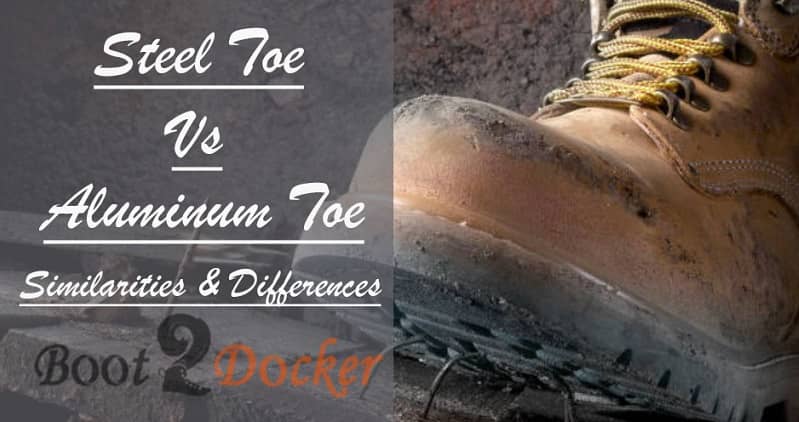
Compare steel toe and aluminum toe work boots side by side to find which offers better protection, weight, and comfort for your job. [read more]
Steel Toe Vs. Alloy Toe Work Boots
 James Miller

Compare steel toe and alloy toe work boots side by side to find the best fit for your job, comfort needs, and safety requirements. [read more]
How to Tell If Shoes Are Too Big
Jason Flores

Discover the simple signs that your work boots are too big and learn how to get the right fit for all-day comfort and safety on the job. [read more]
How to Tell if Boots Fit Right
James Miller

Learn the key signs of a proper boot fit — from toe room to heel grip — so you can choose work boots that keep your feet comfortable all day. [read more]
How to Size Cowboy Boots
Jason Flores
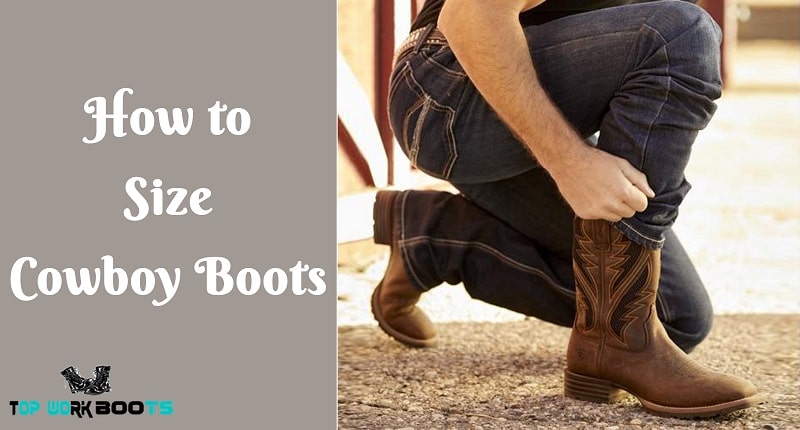
Find your perfect fit with this guide to sizing cowboy boots, covering foot measurements, width options, and tips for a comfortable, secure feel. [read more]
How Much Bigger is a Half Size in Shoes
James Miller

Discover exactly how much bigger a half size is in shoes and how that small difference affects fit, comfort, and finding your perfect work boot size. [read more]
If You Have Bunions, Can You Wear High Heels?
James Miller

Yes, bunions and high heels can coexist—learn which heel styles, fit tips, and supportive features let you stay stylish without worsening foot pain. [read more]
Electrical Hazard vs Static Dissipative Work Boots
Jason Flores

Compare electrical hazard and static dissipative work boots to find the right foot protection for your job site's specific electrical risks. [read more]
Get FREE Boots Gifts now. Or latest free toolsets from our best collections.
Disable Ad block to get all the secrets. Once done, hit any button below


