Knowing how to use mink oil correctly comes down to one rule: apply it to clean, dry leather and work it in with a cloth before buffing off the excess. That's the short answer. Every other detail — timing, amount, frequency — builds on that foundation and determines whether your boots hold up for years or start cracking after a single rough season.
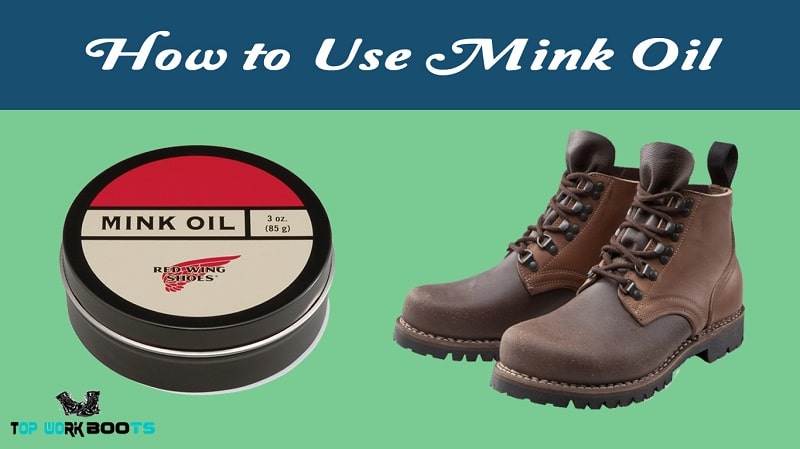
Work boots take punishment every shift. Full-grain uppers crack from salt exposure and heat. Oil-tanned leather stiffens after repeated wet-dry cycles. Mink oil has been the remedy of choice for tradespeople and ranchers for generations because it works at the fiber level, not just the surface — replenishing the oils that wear and weather strip out. The results are real, but only when you apply it correctly.
If you're building a serious boot care routine, mink oil belongs near the top of your product list. Used right on the right leather, it extends boot life significantly and keeps your uppers pliable through hard conditions. The biggest mistakes — skipping prep work and over-applying — are exactly what this guide addresses.
Contents
What Mink Oil Is and How It Works
Mink oil is rendered from the subcutaneous fat layer of mink pelts, a byproduct of the fur industry. It has been used in leather conditioning since at least the mid-twentieth century. What sets it apart from most plant-based conditioners is its fatty acid profile. According to the Wikipedia entry on mink oil, its composition closely resembles human sebum — which is why it absorbs into natural leather so readily. Surface coatings sit on top of the hide. Mink oil gets into the fiber structure itself.
Leather is animal hide. When it's tanned and finished, it retains a network of natural proteins and oils that keep the fibers flexible. Wear, heat, water, and UV exposure deplete those oils over time. The leather stiffens, loses tensile strength, and eventually cracks at the stress points — the toe box, the ankle crease, the welt line. Mink oil replaces what the elements take out, restoring the internal lubrication that keeps leather pliable and resistant to cracking.
The Chemistry Behind Mink Oil
The primary fatty acids in mink oil — oleic, palmitic, and palmitoleic acid — have a molecular size that allows them to penetrate the surface pores of tanned leather. This is the same reason mink oil absorbs faster than heavier waxes like neatsfoot compound or lanolin-based products. It doesn't build up on the surface if you apply it correctly. The oil goes in, the leather drinks it up, and the surface remains relatively clean after buffing.
Which Leather Types Benefit Most
Not all leather responds to mink oil the same way. The type of tanning process and the leather's finish determine how well it absorbs the oil and how it reacts.
- Full-grain leather — the densest, most durable hide; absorbs mink oil deeply and responds with noticeably improved flexibility
- Oil-tanned leather — already pre-treated with oils during tanning; mink oil maintains and refreshes that treatment rather than replacing it
- Chrome-tanned leather — common in work boots; absorbs well and softens with regular conditioning
- Suede and nubuck — do not use mink oil; the oil saturates the nap permanently and destroys the texture
- Synthetic leather — mink oil will not absorb; use a product designed for synthetics
- Patent leather — the surface lacquer is incompatible; mink oil will not penetrate and may streak
How to Apply Mink Oil the Right Way
The application process is where most people go wrong. They rub mink oil onto dirty, damp leather, apply too much at once, and then wonder why the result looks uneven. The leather can't absorb the oil through a layer of grime, and excess product sitting on the surface oxidizes and turns rancid over time. Prep work is not optional.
What You Need
- A stiff brush to remove dried mud and debris
- A damp cloth or saddle soap to clean the uppers
- A soft cloth or foam applicator for the oil
- Mink oil in solid or liquid form (both work equally well — solid is easier to control)
- A clean buffing cloth for final finishing
Pro tip: Slightly warm solid mink oil between your fingers before applying — it liquefies faster and spreads more evenly across the leather surface.
Step-by-Step Application
Follow these steps in order. Skipping any one of them produces worse results and can actually damage the leather over repeated applications.
- Clean your boots thoroughly. Remove all dirt, salt stains, and surface debris. Refer to a detailed guide on how to clean work boots if you're dealing with heavy buildup or salt residue from winter work.
- Let the boots dry completely. Never apply mink oil to wet or even slightly damp leather. Trapped moisture causes mildew growth inside the hide. Give them at least 24 hours after any water exposure before conditioning. If you need to speed up drying safely, see how to dry work boots without damaging the leather.
- Warm the leather slightly. A few minutes near a heat vent — not a direct heat source — opens the pores and allows better absorption. Room temperature is fine if warming isn't practical.
- Apply a thin coat of mink oil. Use a cloth or applicator, working in small circular motions. Thin coats absorb cleanly. Thick coats sit on the surface and do nothing useful.
- Let it sit for 15–20 minutes. The leather needs time to drink in the oil. Don't rush this step.
- Buff off the excess. Use a clean, dry cloth to remove any product that didn't absorb. What remains on the surface after buffing should be minimal.
| Boot Condition | Prep Required | Application Amount | Absorption Time |
|---|---|---|---|
| Lightly worn, clean | Quick brush only | Very thin coat | 10–15 minutes |
| Normal wear, some dirt | Clean with damp cloth | Thin coat | 15–20 minutes |
| Heavy soiling or salt residue | Full clean + dry | Thin coat, two passes if needed | 20–30 minutes per coat |
| Stiff, cracked leather | Full clean + dry | Two thin coats, 24 hrs apart | 30 minutes per coat |
| Wet or damp leather | Dry completely first | Do not apply until fully dry | N/A |
Mink Oil Myths That Need to Go
A lot of bad advice circulates about mink oil — some of it contradictory, all of it confident. Let's address the two claims you'll encounter most often.
Does Mink Oil Darken Leather?
Yes, and it's worth understanding why. Mink oil temporarily darkens leather because it fills the pores and changes how light reflects off the surface. On most full-grain and oil-tanned leathers, the color normalizes within 24–48 hours as the oil fully absorbs. On light tan or undyed leather, some darkening may be permanent — not dramatic, but noticeable. Always test on an inconspicuous area — the back of the shaft or the underside of the tongue — before conditioning light-colored boots for the first time.
Does It Actually Waterproof Your Boots?
Mink oil adds water resistance. It does not waterproof. The distinction matters. Conditioning with mink oil fills surface pores and slows moisture penetration — your boots will shed light rain and brief puddle exposure more effectively. But they won't stop sustained water exposure the way a beeswax-based product or a dedicated waterproofing treatment will. If you work in wet environments regularly, follow up with a dedicated waterproofing wax or silicone spray after the mink oil has fully absorbed. Use mink oil for conditioning; use a dedicated product for waterproofing. They serve different purposes.
Getting More from Every Application
The basics cover what to do. These refinements determine how well it works long-term — and how to avoid the mistakes that shorten leather life instead of extending it.
How Often to Condition
Over-conditioning is a real problem. Too much mink oil applied too often saturates the leather, softens it beyond its intended stiffness, and can break down the adhesives used in welt construction. Find a rhythm that matches your boot's workload.
- Daily-use work boots: condition every 4–6 weeks under normal conditions
- Boots exposed to heavy moisture or chemical environments: condition every 2–3 weeks, or within 48 hours of heavy water exposure
- Seasonal or occasional-use boots: condition at the start and end of each season
- Stored boots: condition before storage, store in a cool dry place away from direct light
Pairing Mink Oil with Other Products
Mink oil plays well with most other leather care products — as long as you sequence them correctly. Conditioner first, always. Once the mink oil has fully absorbed and you've buffed off the excess, you can apply a boot polish for shine or a dedicated wax for added protection. The conditioned leather takes both products more evenly than dry leather would.
Avoid using mink oil in the same session as silicone-based sprays. They compete for the same pore space and neither product performs as intended when they're layered wet on wet. If you're considering a plant-based alternative, it's worth reading about how to use coconut oil as a leather conditioner — it's a reasonable substitute in a pinch, though its absorption characteristics differ from mink oil.
Frequently Asked Questions
Can you use mink oil on new boots?
Yes, and it's a smart move. New boots benefit from a conditioning treatment before their first use. The leather is typically dry from storage and shipping, and an initial application helps break in the uppers more comfortably while providing early protection.
How long does mink oil last on boots?
The conditioning effect typically lasts 4–6 weeks under regular daily use. Boots exposed to harsh conditions — heavy moisture, chemical exposure, or extreme heat — will deplete the conditioning faster and require more frequent reapplication.
Is mink oil safe for stitched welts?
Yes, with moderation. Mink oil conditions the leather around the welt stitching and can extend its flexibility. However, excessive application over time can soften the leather enough to weaken the welt's grip. Stick to thin, infrequent coats and you won't have issues.
Can mink oil remove scuffs or scratches?
Mink oil can reduce the appearance of minor surface scuffs by rehydrating the surrounding leather and making the damaged area less visually distinct. It won't fill or repair structural damage. Deep scuffs or cuts require a leather filler or professional repair.
Does mink oil go bad?
Yes. Mink oil has a shelf life of roughly 2–3 years when stored properly in a sealed container away from heat and direct sunlight. Rancid mink oil has a sour, off smell and can actually damage leather rather than condition it. If yours smells wrong, replace it.
Final Thoughts
Your boots represent a real investment, and knowing how to use mink oil correctly is one of the highest-return maintenance habits you can build. Start with clean, dry leather, apply a thin coat, give it time to absorb, and buff off the excess — repeat that process on a consistent schedule and your boots will outlast anything you could throw at them. Pick up a tin of mink oil this week, give your current pair a proper conditioning session, and see the difference a single treatment makes before you commit to a full routine.


About Jason Flores
Jason Flores is a multi-talented individual whose unique journey has led him to blend his passion for craftsmanship and fashion into a creative endeavor. During his formative years, he found himself immersed in the world of handiwork, spending countless hours in his grandfather's workshop. These early experiences allowed him to develop a deep understanding of practical skills and a keen eye for detail.Simultaneously, Jason harbored an innate love for fashion, drawn to the artistry and self-expression it offers. As he grew older, he recognized the potential to combine his proficiency in craftsmanship with his fashion sensibilities. This realization led him to a path where he began to explore and write about the intersection of fieldwork fashion.
Get FREE Boots Gifts now. Or latest free toolsets from our best collections.
Disable Ad block to get all the secrets. Once done, hit any button below