Our team pulled a pair of trusted work boots from the back of a storage room last winter — boots that had logged hundreds of hours on job sites — only to find the soles had turned a deep, discouraging yellow. Knowing how to clean yellowing soles is one of those essential boot care skills that separates workers who get years from their footwear from those who replace boots far too soon. The process is more accessible than most people expect, and the results are genuinely satisfying.
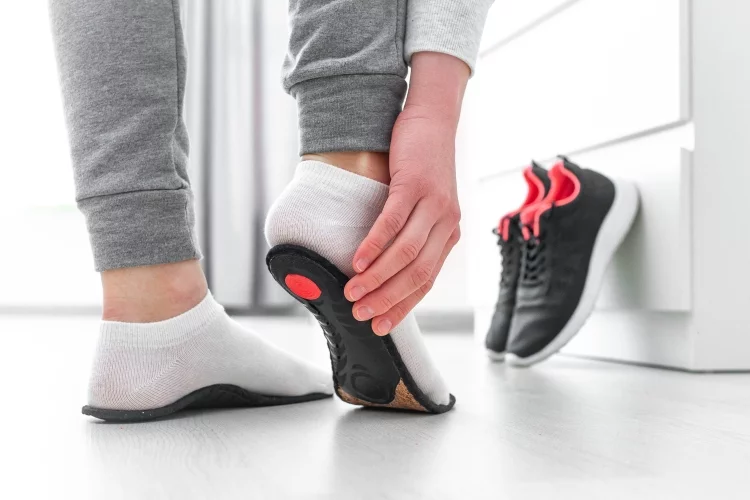
Yellowing soles affect everything from heavy-duty work boots to lighter athletic-style safety shoes. The discoloration is not always about dirt or poor maintenance — it often comes down to chemistry happening at the molecular level. Our team has tested household remedies, commercial products, and professional-grade solutions to determine which approaches deliver consistent results and which fall short.
This guide covers the science behind sole yellowing, debunks the most persistent myths, walks through the best cleaning methods step by step, and outlines a maintenance routine that keeps soles looking cleaner longer. For related guidance on full boot cleaning, our breakdown of how to clean the bottom of shoes covers additional techniques worth reviewing alongside this guide.
Contents
Why Work Boot Soles Turn Yellow
The Chemistry Behind the Discoloration
Understanding why soles yellow makes cleaning them far more effective. The primary cause is oxidation — a chemical reaction between the sole material and oxygen in the air. Oxidation breaks down polymers in rubber and polyurethane, causing the characteristic yellow or amber tint that develops over time regardless of how carefully boots are used.
- UV exposure: Ultraviolet light accelerates oxidation, particularly on soles stored near windows or left outside between uses.
- Phenolic antioxidants: Some manufacturers use compounds called hindered phenols in sole production. These react with nitrogen oxides in the air, producing yellow compounds — a process known as gas fading.
- Age-driven hydrolysis: Polyurethane soles undergo hydrolysis over time, where moisture in the air chemically breaks down the material and contributes to discoloration.
- Cleaning product residue: Certain soaps and bleach-based cleaners leave behind residue that reacts with sole materials and either causes or significantly worsens yellowing.
Which Sole Materials Yellow Most
Not all sole materials yellow at the same rate. Understanding the composition of a boot's sole helps set realistic expectations before cleaning:
- Polyurethane (PU): Most susceptible to yellowing, particularly white or light-colored PU midsoles common in modern work boots.
- Rubber: Natural and synthetic rubber yellow through oxidation, though typically at a slower rate than PU.
- EVA foam: Commonly used in athletic-style safety shoes; yellows readily under UV exposure.
- Vibram and dense rubber compounds: More resistant to yellowing due to their dense formulation, but not immune over extended periods of use and storage.
Separating Fact from Fiction About Yellowed Soles
Common Misconceptions Our Team Keeps Seeing
Plenty of advice circulates online about yellowed soles, and much of it is incomplete or outright counterproductive. Our team has worked through these claims systematically across multiple cleaning sessions.
Pro Tip: Bleach is one of the most commonly recommended solutions for yellowed soles — and one of the most damaging. Straight bleach accelerates further oxidation and degrades sole materials over time, so our team always recommends diluting it significantly or choosing safer alternatives first.
- Myth: Yellowing means the boots are ruined. In most cases, cleaning restores a significant portion of the original appearance. Surface oxidation is highly treatable with the right method.
- Myth: Only cheap boots yellow. Premium boots with quality PU midsoles — including well-regarded options like the Carhartt CMF6366 Composite Toe — yellow with age regardless of build quality or price point.
- Myth: Storing boots in sealed plastic bags prevents yellowing. Sealed plastic bags can trap nitrogen oxides and humidity, potentially worsening gas fading. Breathable fabric storage is more effective.
- Myth: Any whitening toothpaste works the same. Gel formulas without abrasives are largely ineffective. White toothpaste with calcium carbonate or baking soda is the version that delivers actual results.
- Myth: Once cleaned, soles stay white permanently. Without a UV-blocking finish or ongoing maintenance, soles begin to yellow again within weeks to months depending on conditions.
What the Evidence Actually Shows
Our team's hands-on testing confirms that hydrogen peroxide-based methods and baking soda pastes consistently outperform straight bleach in both safety and effectiveness. Treating soles at the first signs of yellowing — rather than waiting until discoloration is severe — produces dramatically better long-term results. Early intervention is the single most impactful factor in restoration success.
The Best Methods for How to Clean Yellowing Soles
Method 1: Baking Soda and Hydrogen Peroxide Paste
Our team rates this as the most reliable household method for how to clean yellowing soles. It combines mild abrasion with an oxidizing reaction that actively breaks down yellowed compounds on the sole surface.
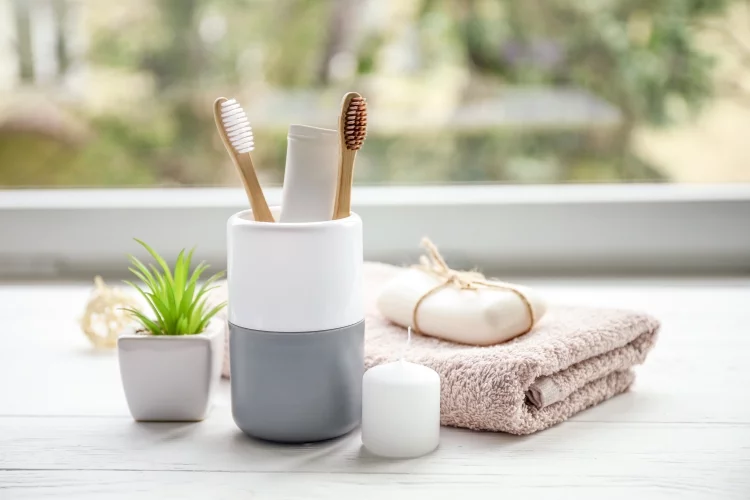
Materials needed:
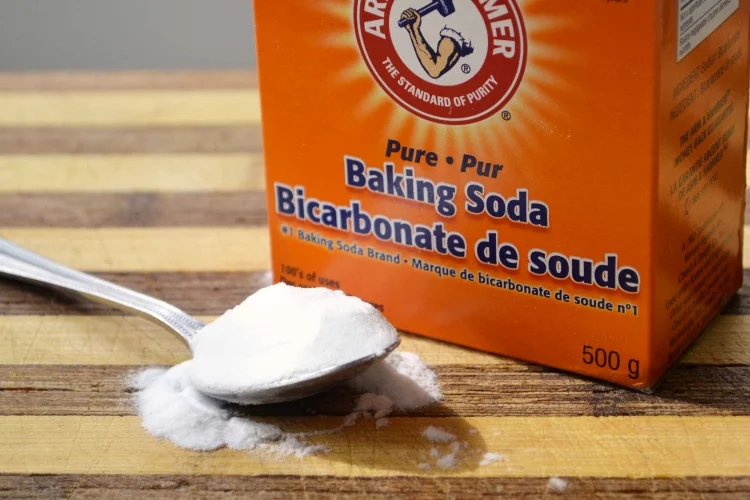
- 1 tablespoon baking soda
- ½ tablespoon hydrogen peroxide (3% concentration, standard drugstore grade)
- ½ tablespoon warm water
- Old toothbrush or stiff-bristle scrub brush
- Clean microfiber cloth
Step-by-step process:
- Mix baking soda, hydrogen peroxide, and warm water into a thick paste in a small bowl.
- Apply the paste generously to all yellowed areas of the sole using the toothbrush.
- Scrub in firm circular motions, spending extra time on heavily discolored zones.
- Leave the paste sitting on the sole for 10–15 minutes undisturbed.
- Place boots in direct sunlight for an additional 20–30 minutes — UV light activates the peroxide and accelerates the whitening reaction.
- Wipe away all residue with a damp cloth and allow boots to air dry completely before storing or wearing.
Method 2: White Toothpaste Scrub
White, non-gel toothpaste contains mild abrasives — typically calcium carbonate — that lift surface yellowing effectively. This works best on lightly yellowed soles or as a quick maintenance clean between deeper treatments.
- Apply a small amount of white toothpaste directly onto the yellowed sole surface.
- Scrub firmly with a toothbrush using circular motions for 3–5 minutes.
- Rinse with clean water and dry thoroughly with a cloth before storage.
Method 3: Commercial Sole Whitener
For stubborn yellowing on boots used in heavy industrial or outdoor environments, commercial sole cleaners contain targeted oxidizing agents formulated specifically for this problem. Products designed for sneaker restoration work equally well on work boot soles. Our team recommends testing on a small inconspicuous area first, as some formulas can affect boot upper materials if applied carelessly.
Evaluating the Methods: Results and Trade-offs
Side-by-Side Comparison
| Method | Effectiveness | Safety for Sole | Cost | Time Required | Best For |
|---|---|---|---|---|---|
| Baking Soda + H₂O₂ Paste | High | Excellent | Very Low | 45–60 min | Moderate to heavy yellowing |
| White Toothpaste Scrub | Moderate | Excellent | Very Low | 10–15 min | Light surface yellowing |
| Diluted Bleach Solution | Moderate | Fair — degrades over time | Very Low | 20–30 min | Last resort only |
| Commercial Sole Cleaner | Very High | Good (product-dependent) | Medium | 15–30 min | Severe yellowing, professional finish |
| Magic Eraser (melamine foam) | Low–Moderate | Good | Low | 10 min | Scuff removal alongside light yellowing |
Honest Limitations to Know
- Deep PU hydrolysis is irreversible. When polyurethane has broken down structurally — crumbling, cracking, or extremely brittle — surface cleaning will not restore appearance or structural integrity. At that point, boot heel and sole repair or outright replacement is the appropriate course of action.
- Rubber outsoles respond better than PU midsoles. Dense rubber compounds are more chemically stable and tend to show better improvement after cleaning than porous PU foam layers.
- Repeated bleach use accelerates long-term yellowing. What appears to whiten soles in the short term can trigger further oxidation cycles. Our team consistently directs away from bleach as a primary method for this reason.
Long-Term Sole Care to Prevent Yellowing
Storage Practices That Make a Difference
Proper storage dramatically slows the yellowing process. Our team recommends the following practices for anyone storing work boots beyond a few weeks:
- Store in a cool, dark location away from UV light, heat sources, and direct sunlight.
- Use breathable fabric bags or open shoe boxes with tissue paper — avoid airtight plastic containers.
- Keep boots upright or stuffed with cedar shoe trees to maintain shape and allow airflow through the sole area.
- Avoid damp storage areas; humidity accelerates hydrolysis in PU soles significantly.
Routine Cleaning Schedule
Consistent cleaning prevents heavy yellowing from accumulating and makes each cleaning session faster and more effective. Our team follows a structured schedule that most working people find manageable:
- After each use: Wipe soles with a damp cloth to remove mud, chemicals, and debris. For a broader routine, our guide on how to clean leather boots integrates sole and upper care in one workflow.
- Weekly: Quick toothpaste or melamine sponge pass on white or light-colored soles showing early discoloration.
- Monthly: Full baking soda and hydrogen peroxide treatment on boots showing visible yellowing.
- Seasonally: Deep clean and condition; assess sole condition for cracking or hydrolysis; apply a UV-protective sole protector spray where available.
Anyone using boots in demanding environments — construction, workshops, outdoor trades — will notice yellowing progresses faster under repeated chemical and UV exposure. Our post on how often to polish shoes outlines a broader footwear care timeline that integrates well with a sole maintenance routine. For leather upper care alongside sole work, our guide on cleaning leather boots with household items is a practical companion resource that covers the full boot without specialized products.
Products Worth Keeping on Hand
Stocking a simple boot care kit makes consistent maintenance far more likely to happen. Our team keeps the following on hand at all times:
- 3% hydrogen peroxide (standard drugstore grade)
- Baking soda
- White non-gel toothpaste
- A dedicated stiff-bristle scrub brush or retired toothbrush
- UV-blocking sole protector spray
- Microfiber cloths for residue removal and drying
For boots showing signs of odor alongside discoloration — common in heavily used work footwear — pairing sole cleaning with an interior freshening routine is worthwhile. Our guide on how to remove odor from leather shoes covers that process thoroughly and complements a full boot restoration session.
Frequently Asked Questions
Does how to clean yellowing soles work on all boot types?
The baking soda and hydrogen peroxide method works effectively on rubber, EVA, and most polyurethane soles. Our team recommends testing on a small area first, particularly on colored or specialty soles, since peroxide can lighten pigmented materials if left on too long.
How long does it take for soles to yellow again after cleaning?
Without UV protection applied after cleaning, soles typically begin showing early yellowing again within four to eight weeks in normal use conditions. Applying a UV-blocking sole spray and following a regular cleaning schedule extends the time between deep-clean sessions significantly.
Is bleach safe to use on yellowed work boot soles?
Bleach in diluted form can produce short-term whitening but accelerates oxidation over repeated applications. Our team treats it as a last-resort option only, always at a 1:5 bleach-to-water dilution, and never on polyurethane midsoles where it degrades the material faster than oxidation alone would.
Can severely crumbling soles be restored through cleaning?
No. When polyurethane hydrolysis has progressed to the point of crumbling or structural breakdown, surface cleaning has no effect on the underlying material failure. Cleaning addresses oxidation-based discoloration only — structural degradation requires sole replacement or professional repair work.
Does sunlight help or hurt the cleaning process?
Sunlight actively helps during the hydrogen peroxide cleaning process — UV light activates the peroxide and accelerates the oxidation-reversal reaction on the sole surface. However, prolonged UV exposure on uncleaned and unprotected soles accelerates yellowing over time, which is why shaded storage matters between uses.
How does toothpaste compare to the baking soda paste method?
White toothpaste is faster and convenient for light yellowing or maintenance cleaning. The baking soda and hydrogen peroxide paste is more powerful and better suited for moderate to heavy discoloration. Our team uses toothpaste for weekly maintenance and reserves the paste method for monthly deep-cleaning sessions.
Are there any sole types where these methods should not be used?
Our team avoids hydrogen peroxide on dark-colored or pigmented soles, as it can lighten the color unevenly. For those soles, mild soap and water with a stiff brush is the safer approach. Commercial cleaners formulated for specific sole materials are also a reliable alternative when the sole type is uncertain.
Key Takeaways
- Sole yellowing is caused primarily by oxidation and UV exposure — not poor quality — and is treatable in most cases with baking soda, hydrogen peroxide, or white toothpaste.
- The baking soda and hydrogen peroxide paste method is the most effective household approach for moderate to heavy yellowing, especially when activated with sunlight.
- Bleach should be a last resort only, as repeated use accelerates long-term oxidation and degrades sole materials faster than other methods.
- Consistent cleaning on a weekly and monthly schedule, combined with breathable dark-location storage, prevents severe yellowing from developing and extends boot lifespan significantly.


About Jason Flores
Jason Flores is a multi-talented individual whose unique journey has led him to blend his passion for craftsmanship and fashion into a creative endeavor. During his formative years, he found himself immersed in the world of handiwork, spending countless hours in his grandfather's workshop. These early experiences allowed him to develop a deep understanding of practical skills and a keen eye for detail.Simultaneously, Jason harbored an innate love for fashion, drawn to the artistry and self-expression it offers. As he grew older, he recognized the potential to combine his proficiency in craftsmanship with his fashion sensibilities. This realization led him to a path where he began to explore and write about the intersection of fieldwork fashion.
Get FREE Boots Gifts now. Or latest free toolsets from our best collections.
Disable Ad block to get all the secrets. Once done, hit any button below