What separates a pair of cowboy boots that turns heads from a pair that looks beaten and neglected? The finish on the leather — and nothing else. Knowing how to polish cowboy boots is one of the most practical skills a boot owner can develop, and it takes less time than most people think. Polish is not just cosmetic. It feeds the leather, blocks water and grime, and extends the life of boots that often cost hundreds of dollars. Get the process right and your boots will reward you for years. This boot care guide covers everything you need.
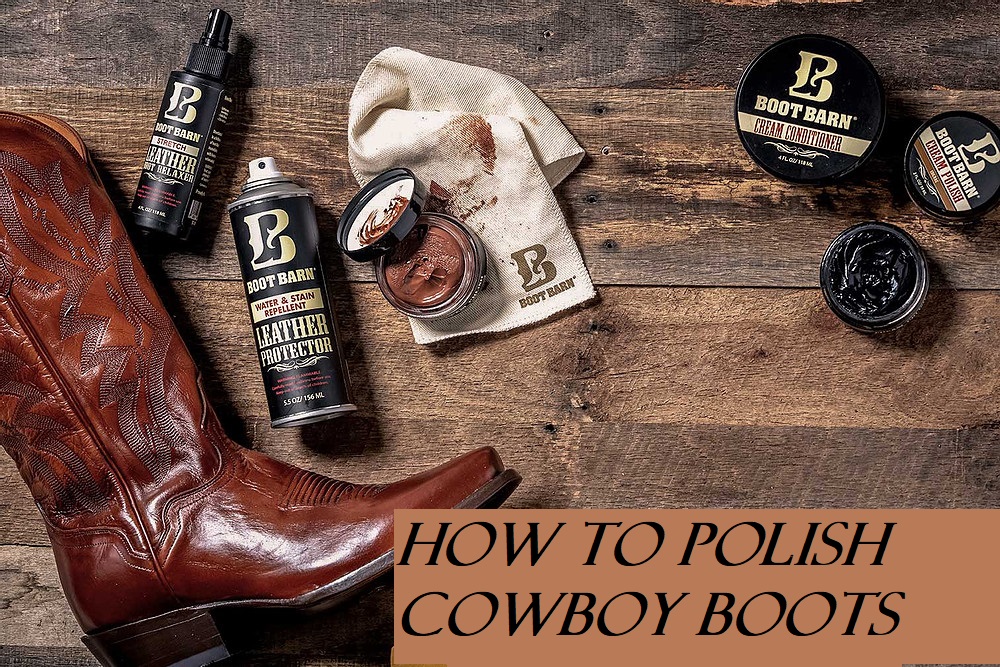
Cowboy boots are made from leather — a natural material that loses moisture every time you wear it. Polish and conditioner replace those stripped oils and create a protective barrier against water, dust, and everyday scuffs. A boot left dry and unpolished does not just look dull. It cracks, stiffens, and breaks down from the inside out. The good news is that a proper polishing session takes fifteen minutes and shows immediate results.
Whether your boots live on a ranch, a construction site, or a Saturday night dance floor, the core polishing process stays the same. The variables are leather type and product choice. This guide covers both — step by step, with the insider details that most guides skip.
Contents
- Step-by-Step: How to Polish Cowboy Boots the Right Way
- Wax Polish vs. Cream Conditioner: What Your Boots Actually Need
- How Boot Polishing Plays Out in the Real World
- Polish Myths That Are Quietly Ruining Your Leather
- The Five-Minute Polish That Still Gets Results
- Building a Boot Care Routine That Lasts
- Frequently Asked Questions
- Next Steps
Step-by-Step: How to Polish Cowboy Boots the Right Way
The biggest mistake people make when polishing cowboy boots is jumping straight to the polish without preparing the leather first. Dirt and old oils trapped under a fresh coat of wax cause the leather to deteriorate faster, not slower. Follow the steps below in order every single time and you will not run into that problem.
What You Need Before You Start
Gather your supplies before you begin. You will need:
- A stiff-bristled brush or dry cloth to knock off loose dirt
- Saddle soap (a mild soap made specifically for leather cleaning)
- A soft cloth or sponge for applying cleaner
- Boot polish or cream conditioner matched to your leather color
- A horsehair brush for buffing
- A clean buffing cloth for the final shine
You do not need expensive products to get good results. A basic kit from any farm supply or boot store covers everything. What matters is using products designed for leather — not household cleaners, which strip natural oils and dry the leather out fast.
Clean the Leather Before You Polish
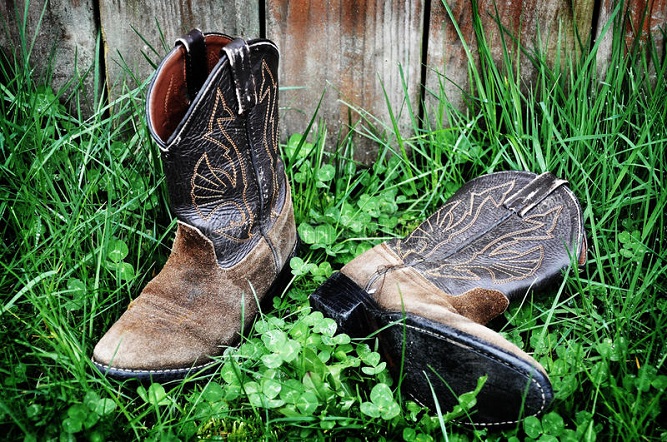
Brush the entire boot with your stiff-bristled brush to remove loose dirt. Pay close attention to the welt (the strip of leather or rubber where the upper meets the sole) and any seams. Once the surface is clear, dampen your cloth and apply a small amount of saddle soap. Work it into the leather using small circular motions — you are lifting grime, not scrubbing the surface raw.
If you are dealing with heavy mud or dried-on grime, the techniques in our guide on home remedies for cleaning boots translate directly to cowboy boot leather and can save you a lot of elbow grease. Once the boot is clean, wipe it down with a damp cloth and let it dry completely before applying any polish. Polishing wet leather traps moisture and creates conditions for mold and soft spots.
Apply Polish and Buff to a Shine
With clean, dry boots in front of you, apply a small amount of polish to a cloth or applicator brush. Work it into the leather in circular motions — cover the entire boot including the toe box and shaft. Use a thin coat. You build shine through multiple thin layers, not one thick glob. Let the first coat sit for two to three minutes.
Then take your horsehair brush and buff in quick, back-and-forth strokes. The friction generates heat that helps the polish bond to the leather. Finish with a clean cloth for the final high-shine buff. For a mirror-like (glass) shine on the toe, apply a second thin coat, let it dry, and buff again.
Pro tip: Always buff your boots in the direction of the leather grain — it produces a more even shine and prevents micro-scratches that dull the finish over time.
Wax Polish vs. Cream Conditioner: What Your Boots Actually Need
Not all polish products do the same job. Using the wrong one on the wrong leather is one of the most common mistakes boot owners make — and it leads to cracked toes, faded color, and premature wear. Here is a clear breakdown of the main categories so you know exactly what to reach for.
| Product Type | Best For | Primary Benefit | How Often | Avoid On |
|---|---|---|---|---|
| Wax Polish | Smooth full-grain leather | High shine, surface protection | Weekly or before events | Suede, nubuck, exotic skins |
| Cream Conditioner | All smooth leathers | Deep moisture, color restoration | Monthly or when leather feels stiff | Heavily waxed surfaces (apply before wax) |
| Mink Oil | Heavy work leather, older boots | Deep conditioning, waterproofing | Monthly or seasonally | Light-colored leathers (darkens permanently) |
| Exotic Leather Conditioner | Ostrich, caiman, snakeskin | Gentle surface moisture, scale care | After every wear | Standard smooth leather (under-conditions) |
When to Use Wax Polish
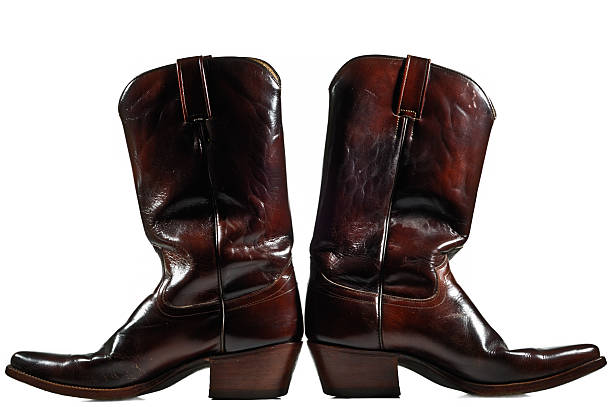
Wax polish is your go-to for smooth, full-grain leather boots that need to look sharp. It builds a surface layer that repels water, hides minor scuffs, and creates that deep, reflective shine. Use it before heading out to an event, a job interview, or any situation where your boots will be seen up close.
Wax polish does not deeply condition leather. It sits on the surface. If your boots feel stiff or dry, start with a cream conditioner first, let it absorb overnight, then apply wax the next morning. Reversing this order seals the conditioner out before it can penetrate — a common mistake that wastes both products.
When to Use Cream Conditioner
Cream conditioner penetrates the leather fibers and restores lost oils. It is what you reach for when boots look dull even after buffing, feel rough to the touch, or show fine cracks beginning to form. Apply it generously, work it in with your fingers (body heat helps absorption), and let it sit for at least an hour. Wipe off the excess and buff lightly.
Cream also restores faded color better than wax. If your dark brown boots have gone patchy or gray at the toes, a matching cream conditioner brings the color back without heavy wax buildup clouding the finish.
How Boot Polishing Plays Out in the Real World
The theory is straightforward. The real-world application is where most people run into problems — because work boots get treated differently than weekend dress boots, and exotic leather boots are a category entirely their own. Here is how polishing actually plays out across different situations.
On the Job Site
Work cowboy boots take a beating. Mud, concrete dust, oil, and scuff marks are daily realities. For work boots, conditioning matters more than shine. The priority is keeping the leather supple so it does not crack at the flex points — those creases behind the toe box where the leather bends with every step. A cracked boot lets in moisture and loses structural integrity faster than you expect.
Polish work boots every one to two weeks depending on conditions. If you are regularly working in wet environments, condition twice a month. Also keep an eye on heel wear — heel slippage problems often start when worn leather loses its grip and the boot begins shifting on your foot. A polished, conditioned heel counter (the stiff back section of the boot) holds its shape significantly longer than a dry one.
For Dress and Formal Wear
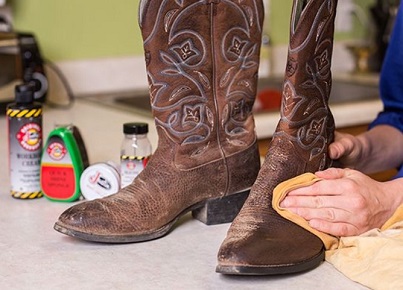
Dress cowboy boots live a cleaner life, which means you can focus on shine. Apply wax polish in thin layers, buff between each coat, and finish with a clean chamois (a thin polishing cloth made from natural or synthetic material) for that glass-like toe. Knowing the different heel types found on cowboy boots helps you polish effectively around each profile — a walking heel sits differently than a roping heel and each has edges that catch light differently.
Store dress boots in boot trees (inserts that hold the boot's shape) between wears. Polish them every two to four wears, or immediately after any scuffs appear. Untreated scuffs on dress leather oxidize quickly and become significantly harder to cover the longer you leave them.
Exotic Leathers Require a Different Approach
Ostrich, caiman, python, and elephant leather all require specialized products. Standard wax and cream polish can clog the scales and textured surface of exotic leathers, blocking natural oils from circulating through the material. Use an exotic leather conditioner specifically labeled for the skin type. Apply it sparingly with a soft cloth and never use a brush on scaled surfaces — brushes catch and tear the edges of individual scales, causing permanent damage that no polish can fix.
Polish Myths That Are Quietly Ruining Your Leather
A lot of bad polish advice circulates online and in boot shops. Some of it sounds reasonable on the surface. All of it causes real damage over time. Here are the three myths worth dropping immediately.
Myth: Any Shoe Polish Works on Cowboy Boots
Standard drugstore shoe polish — the kind in a small tin — is formulated for dress shoes made from thin, smooth leathers. Cowboy boots are typically made from thicker, heavier hides that need a product designed to penetrate deeper into the fiber. Thin shoe polishes sit on the surface, build up as a waxy film over time, and crack when the leather flexes. Use boot-specific polish or a leather conditioner formulated for heavy-duty applications. The price difference is minimal. The results are not.
Myth: Water Ruins Leather Permanently
Water does not ruin properly conditioned leather. Water ruins dry, unprotected leather. If your boots get soaked, stuff them with newspaper to absorb moisture from the inside, allow them to air-dry away from any heat source, and apply conditioner once they are completely dry. Our guide on how to dry work boots correctly covers this in detail — the heat-drying shortcuts people take are what cause irreversible damage, not the water itself.
Warning: Never dry leather boots near a heater, campfire, or in direct sunlight — rapid heat pulls moisture out too fast and causes permanent cracking and warping that cannot be undone.
Myth: More Polish Means Better Protection
Polish buildup is a genuine problem. When you layer wax over wax without cleaning in between, you get a thick, opaque coat that dulls the leather's natural luster and traps grime underneath where it breaks down the fibers. Strip old polish buildup every four to six weeks using a dedicated leather cleaner or a small amount of isopropyl alcohol on a cloth. Start fresh with conditioner, then a single thin wax coat. Your boots will look noticeably better — and the leather underneath will last years longer.
The Five-Minute Polish That Still Gets Results
Not every session needs to be a full production. When you have five minutes between the truck and the door, you can still make your boots look pulled together. This quick-shine method does not replace the full monthly deep clean, but it handles 80% of everyday situations with almost no effort.
The Quick-Shine Method
- Wipe the boot down with a dry cloth to knock off dust and loose dirt. Thirty seconds per boot.
- Apply a pea-sized amount of cream polish or boot conditioner to a cloth. Work it into the toe box and shaft with quick circular motions. One minute per boot.
- Buff immediately with a horsehair brush or the clean side of the cloth. Sixty seconds of brisk back-and-forth strokes generates enough friction heat to set the polish.
- Wipe with a clean cloth for a final surface shine. Done.
The key to making this work consistently is keeping a small kit accessible — in your truck, your locker, or near the front door. A cloth, a small tin of cream polish, and a brush is the whole kit. Full polishing sessions matter, but it is the quick maintenance between sessions that keeps leather from deteriorating between deep cleans. Consistency beats perfection every time.
Building a Boot Care Routine That Lasts
A polishing routine is not a one-time fix — it is a schedule. The best boots in any barn or on any job site belong to people who care for them on a regular calendar, not just when they look obviously dirty. Here is how to build that routine without it becoming a chore.
Weekly Habits
- After every wear: Wipe down with a dry cloth while the leather is still warm from body heat. This takes thirty seconds and prevents grime from setting into the surface.
- Once a week: Quick buff with a horsehair brush to maintain shine and check for any new scuffs or early cracks forming at flex points.
- Store boots upright with boot trees or newspaper stuffed inside to hold their shape between wears.
- Keep boots away from direct heat sources and extended sunlight during storage.
If your boots are showing heavy wear on the heel, consider looking into cowboy boot heel replacement before the damage reaches the welt. Heel wear is gradual and easy to ignore — until the repair bill is not.
Monthly and Seasonal Maintenance
- Monthly: Full clean with saddle soap, deep conditioning session with cream conditioner, followed by a wax polish coat. This is the reset — strip the old buildup, feed the leather, and reseal it.
- Before wet season: Apply a waterproofing wax or beeswax-based product to the entire boot. Pay extra attention to the seams and welt where water always enters first.
- End of season: Deep clean, condition generously, and store in a cool dry place. Use boot trees and a breathable cloth bag — never plastic. Plastic traps moisture and creates mold.
- After heavy exposure: Any time your boots get soaked through, heavily muddy, or badly scuffed, treat it as a full cleaning event regardless of where you are in the schedule.
The leather on a well-maintained pair of cowboy boots develops a patina (a natural deepening of color and texture that accumulates over time) that cannot be faked or bought. That patina only happens when you care for the leather consistently — and it is what makes a pair of boots unmistakably yours.
Frequently Asked Questions
How often should you polish cowboy boots?
For everyday work boots, polish every one to two weeks. For dress boots worn occasionally, polish every two to four wears or whenever scuffs appear. The key is conditioning monthly regardless of how often you shine them — conditioning keeps the leather from cracking even when the surface looks fine.
Can I use regular shoe polish on cowboy boots?
Avoid standard drugstore shoe polish on cowboy boot leather. Most cowboy boots use thicker hides that need products formulated for heavy leather. Regular shoe polish builds up as a waxy film over time and cracks when the leather flexes. Use a boot-specific wax or cream conditioner designed for full-grain leather.
What is the best way to polish exotic leather cowboy boots?
Exotic leathers like ostrich, caiman, and snake require a specialized exotic leather conditioner rather than standard boot polish. Apply it sparingly with a soft cloth — never use a brush on scaled surfaces. Clean after each wear, condition monthly, and store away from heat and direct light to preserve the scales.
How do you get a mirror shine on cowboy boot toes?
A mirror shine requires multiple thin coats of wax polish applied with a slightly damp cloth. Apply a thin coat, let it dry, buff lightly, and repeat three to five times. Each layer fills in tiny surface imperfections until the toe reflects light evenly. Patience and thin layers produce results — one thick coat never will.
Does polishing cowboy boots make them waterproof?
Wax polish and beeswax-based products provide water resistance, not full waterproofing. They slow water penetration significantly and protect against light rain and splashing. For serious wet conditions, apply a dedicated waterproofing product focused on the seams and welt area. Well-conditioned leather recovers from water exposure far better than dry, unpolished leather does.
Next Steps
- Assemble a basic polish kit today: saddle soap, a cream conditioner, wax polish matched to your boot color, a horsehair brush, and two soft cloths. Keep it in one place so it is always ready.
- Give your boots a full clean-and-condition session this week — saddle soap first, then cream conditioner left on overnight, then wax polish and buffing in the morning.
- Set a recurring monthly reminder on your phone to do a deep-clean session and strip old wax buildup before it accumulates into a problem.
- Inspect your boots at your next polish session — check the heel, the welt, and any flex-point creases for early cracking or wear. Address issues early before they require professional repair.
- If you own exotic leather boots, pick up a product specifically labeled for that skin type and switch to a brush-free application method starting with your next session.


About James Miller
James Miller is a dedicated individual based in the vibrant city of San Francisco, CA, USA. His unwavering passion lies in the realm of construction, where he finds fulfillment in exploring and documenting various facets of construction equipment and processes. A graduate of the University of California Merced, James holds a dual degree in mechanical and electrical engineering, which has equipped him with a solid foundation in technical knowledge.With a keen eye for detail and a knack for articulation, James has channeled his enthusiasm into writing about the intricacies of construction gear and methodologies. His insightful writings offer valuable insights to both industry professionals and curious enthusiasts, shedding light on the machinery and techniques that shape the built environment.James Miller's educational background in mechanical and electrical engineering lends credibility to his work, allowing him to delve into the technical nuances of construction with precision. His passion for sharing knowledge and fostering understanding in the construction field is evident in his contributions, making him a respected voice in the industry.
Get FREE Boots Gifts now. Or latest free toolsets from our best collections.
Disable Ad block to get all the secrets. Once done, hit any button below