Ever finish a long shift and peel off your work boots only to be hit by a wave of heat, moisture, and smell? That's your feet telling you something needs to change. The good news: it's completely possible to stop sweaty feet in work boots — and you don't need to spend a fortune to do it. A few targeted changes to your gear, habits, and daily routine can make a measurable difference by the end of your next shift.
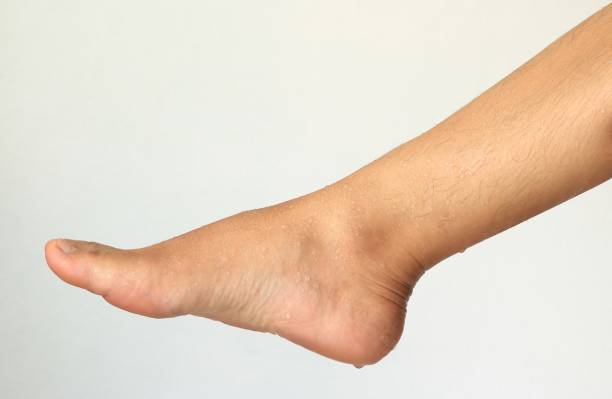
Sweaty feet in work boots aren't just a comfort issue. Persistent moisture inside your boots leads to blisters, skin breakdown, and conditions like athlete's foot (tinea pedis) — a fungal infection that thrives in warm, damp environments. It also shortens the life of your boots. The inner lining degrades faster, seams loosen, and odor becomes permanent. Prevention is far easier than treatment.
This guide covers the most common mistakes tradespeople make, the gear that actually helps, and how to build a simple long-term routine. For more on keeping your footwear in good shape from the outside in, browse the full boot care guide library.
Contents
Mistakes That Make Sweaty Feet Worse
Before you start adding products to your routine, it helps to understand what's working against you. A few very common habits are making the problem significantly worse — and fixing them costs nothing.
Wearing the Wrong Boot Materials
The boot itself plays a bigger role than most people realize. Not all materials breathe the same way:
- Full synthetic uppers with no mesh panels trap heat and humidity throughout the day.
- Rubber midsoles with no ventilation channels hold moisture inside rather than allowing it to escape.
- Waterproof membranes like Gore-Tex do their job — but they block airflow in both directions. They're ideal for wet outdoor conditions, less ideal if you're working in dry, hot environments.
- Unventilated steel toe caps create heat pockets at the front of the boot.
This doesn't mean you need new boots. It means you compensate elsewhere — with better socks, smarter insoles, and consistent drying habits between shifts.
Choosing the Wrong Socks
Cotton socks feel comfortable at first. That's the problem. Cotton absorbs moisture and holds it directly against your skin. Once wet, cotton stays wet for hours. That trapped moisture is exactly what causes blisters, hotspots, and fungal growth.
- Avoid 100% cotton socks for all-day wear in work boots.
- Merino wool blends regulate temperature and pull moisture away from your skin naturally.
- Synthetic moisture-wicking blends — polyester, nylon, CoolMax — are highly effective and often more affordable than wool.
- Make sure socks fit properly. Bunching fabric creates friction zones that trap sweat in concentrated spots. Check out these tips on keeping socks in place inside boots to fix fit issues while you're at it.
Pro tip: Pack a fresh pair of socks and swap them at lunch. It takes fifteen seconds and makes a noticeable difference in how your feet feel by the end of the day.
Skipping the Drying Step
Putting on boots that are still damp from yesterday's shift keeps the moisture cycle going and feeds bacterial growth overnight. Drying your work boots properly after every shift is one of the most effective habits you can build — and it's completely free.
- Loosen laces and pull the tongue forward to open the boot up.
- Remove insoles and dry them separately — they hold more moisture than the boot itself.
- Use cedar shoe trees or crumpled newspaper to absorb overnight moisture.
- Keep boots in a ventilated space, not inside a bag or locker.
- Never place boots directly on a heater — it dries out the leather too fast and causes cracking.
Quick Wins vs. Real Solutions for Sweaty Feet
Not everyone needs a full gear overhaul. Some fixes take two minutes and cost nothing. Others require a small investment but deliver lasting results. Here's how to approach it based on where you're starting.
Beginner Fixes You Can Try Today
If you're just starting to address sweaty work boots, begin with these no-cost or low-cost steps:
- Switch to moisture-wicking socks. This single change delivers noticeable results within a day or two.
- Use foot powder. Cornstarch or talcum powder inside your boots absorbs moisture and reduces friction. Apply in the morning before putting your boots on.
- Air out your boots every night without fail. Not in a bag. Not in your car. Somewhere with airflow.
- Wash and fully dry your feet before putting on socks each morning — especially between the toes.
- Bring a spare pair of socks to work for a midday swap.
Advanced Options for Persistent Sweating
If basic fixes aren't getting the job done, you may be dealing with hyperhidrosis (excessive sweating), a condition that affects roughly 5% of people. These approaches target the root cause more directly:
- Clinical-strength foot antiperspirant: Products formulated specifically for feet — like Certain Dri or SweatBlock — reduce sweat output rather than just masking the smell. Apply to dry feet at night, not in the morning.
- Prescription treatment: A podiatrist (foot doctor) can prescribe stronger topical formulas or recommend iontophoresis — a treatment that uses mild electrical current to temporarily block sweat glands.
- Ventilating insoles: Some insoles feature channels or perforations that move air inside the boot with every step you take.
Warning: Never apply antiperspirant to cracked or broken skin — it causes significant irritation. Your feet must be completely dry before applying.
The Right Gear to Fight Foot Sweat
Once you've fixed the basic habits, the right gear makes everything work better. Here's what's actually worth buying — and what you can skip.
Moisture-Wicking Socks
Your single best gear investment. Look for these features:
- Merino wool blends — natural odor resistance plus reliable moisture management in all temperatures
- CoolMax or Dri-FIT synthetics — budget-friendly, highly effective, widely available
- Cushioned sole panels for comfort during long shifts
- Crew or mid-calf height to prevent rubbing at the boot shaft
Replacement Insoles
Factory insoles in most work boots are basic foam. They compress quickly, offer minimal moisture control, and are often the dampest part of the boot. A quality aftermarket insole changes that significantly:
- Activated charcoal insoles absorb both odor and moisture effectively.
- Copper-infused insoles offer mild antimicrobial properties that slow bacterial growth.
- Gel + moisture-wicking top cover insoles (brands like Superfeet or Dr. Scholl's Work) balance cushioning with breathability.
- Replace insoles every 6–12 months depending on use — worn insoles provide almost no moisture control.
Foot Powders and Sprays
These won't solve everything on their own, but they're effective tools as part of a broader routine:
- Talc-free foot powder — less messy than traditional talcum and equally effective at absorbing sweat.
- Antifungal spray — treat both your shoes and feet if you've had recurring athlete's foot. Spray the inside of boots after removing them each day.
- Odor eliminator sprays — used inside the boot after your shift, not on your feet directly.
| Product Type | Effectiveness | Estimated Cost | Best For |
|---|---|---|---|
| Moisture-wicking socks | High | $10–$25 per pair | Everyone — start here first |
| Replacement insoles | High | $15–$50 per pair | Long shifts and arch support needs |
| Foot powder | Moderate | $4–$10 per bottle | Daily maintenance use |
| Clinical foot antiperspirant | High (heavy sweaters) | $8–$20 per pack | Hyperhidrosis cases |
| Cedar shoe trees | Moderate | $15–$30 per pair | Overnight moisture absorption |
| Antifungal spray | Moderate | $6–$14 per bottle | Fungal infection prevention |
Building a Long-Term Routine That Works
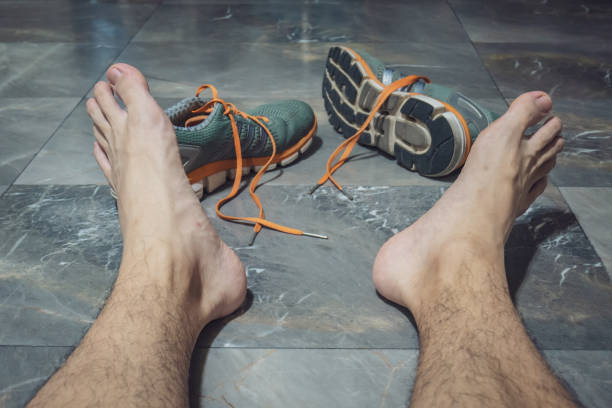
Products help in the short term. But habits are what actually keep sweaty feet under control week after week. Here's what a solid long-term routine looks like in practice.
Rotate Your Boots
Boot rotation is one of the most underrated fixes for people dealing with persistent foot sweat. Wearing the same pair every day doesn't give the material enough time to dry between uses — even if you follow all the right steps the night before.
- Two pairs in rotation means each pair gets at least 24 hours of drying time.
- Cedar shoe trees speed up moisture absorption significantly during downtime.
- If budget only allows one pair right now, at minimum remove the insoles after every shift and let them air separately overnight.
Pro insight: Two mid-range boot pairs rotated properly will outlast one expensive pair worn every single day — your feet will feel better and your wallet won't take as big a hit in the long run.
Daily Foot Care Habits
A consistent foot care routine takes about five minutes each day and prevents most problems before they start. Build this into your morning and end-of-shift routine:
- Wash feet with antibacterial soap, scrubbing between the toes.
- Dry completely — especially between the toes — before putting on socks.
- Apply foot powder or antiperspirant (if you're using one) to completely dry feet.
- Put on fresh, clean moisture-wicking socks.
- After your shift, remove boots immediately and pull out the insoles.
- Let boots air overnight in a ventilated space with laces loosened and tongue forward.
Seasonal Adjustments
Foot sweating increases in warmer months — your routine should adapt accordingly:
- Switch to lighter-weight socks in summer while keeping the same moisture-wicking material.
- If you're working primarily outdoors in warm weather, consider boots with ventilation mesh panels in non-safety zones.
- Replace insoles more frequently in summer — heavy sweating degrades the top cover and foam faster.
- Increase how often you use foot powder during heat waves or particularly physical shifts.
What It Actually Costs to Stop Sweaty Feet in Work Boots
You don't need to spend a lot to see real results. Most people fix mild to moderate foot sweating for under $30. Here's a realistic breakdown at three budget levels.
Budget-Friendly Approach (Under $30)
- Moisture-wicking socks from a drugstore or big-box retailer — $10–$15 for a multipack
- Generic foot powder — $4–$8
- Crumpled newspaper inside boots overnight — free
Total: roughly $15–$25. This combination alone resolves mild to moderate sweating for most people. Start here before spending more.
Mid-Range Approach ($30–$80)
- Quality merino wool or CoolMax socks — $15–$25 per pair
- Aftermarket insoles with moisture-wicking top cover — $20–$50
- Clinical-strength foot antiperspirant — $10–$20
Total: roughly $45–$95. This level is appropriate for persistent sweating, shifts of eight hours or more, or physically demanding jobs where you're on your feet the entire time.
Full-System Approach ($100+)
- Two pairs of quality work boots in rotation — varies widely by brand and safety rating
- Cedar shoe trees for each pair — $15–$30 per set
- Premium antimicrobial insoles — $35–$55
- Regular boot conditioning and cleaning (see the boot care guides for product recommendations and cleaning techniques)
Total: $150 and up. This is the long-game investment. Boot longevity improves noticeably, foot health stays consistent, and the day-to-day discomfort of sweaty work boots becomes a non-issue. For tradespeople logging 40+ hours a week on their feet, it's worth the upfront cost.
Frequently Asked Questions
Why do my feet sweat so much in work boots specifically?
Work boots are built for protection, not ventilation. Thick leather, safety toe caps, and waterproof linings all restrict airflow — which means heat and moisture have nowhere to go. Combine that with physical labor and you have a perfect environment for sweating. Switching to moisture-wicking socks and improving your drying routine addresses the issue without sacrificing protection.
Does foot powder actually work, or is it just masking the smell?
Foot powder does both — it absorbs moisture as well as reducing odor. It won't eliminate sweating entirely, but it meaningfully reduces the amount of moisture sitting against your skin throughout the day. It works best as part of a broader routine that includes moisture-wicking socks and proper boot drying, not as a standalone fix.
How often should I replace work boot insoles?
For people who sweat heavily, every six to nine months is a reasonable guideline. Standard use typically gets you twelve months. Once the top cover feels compacted, loses its texture, or starts smelling despite regular cleaning, it's time for a replacement. Worn insoles provide almost no moisture control and can contribute to blisters and foot fatigue.
Can I use regular antiperspirant on my feet?
Regular underarm antiperspirant can work in a pinch, but products formulated specifically for feet are more effective. Foot-specific antiperspirants are designed for thicker skin and higher sweat output. Apply at night to completely dry feet — not in the morning — and give it fifteen to twenty minutes to absorb before putting on socks.
Key Takeaways
- Socks matter most — switching from cotton to moisture-wicking socks is the single highest-impact change you can make for free or nearly free.
- Drying your boots after every shift breaks the moisture cycle that causes odor, bacteria buildup, and boot deterioration.
- Boot rotation extends gear life and foot health — even a modest second pair used in alternation gives each boot time to fully dry and recover.
- For persistent sweating, clinical-strength foot antiperspirant applied at night targets the root cause rather than just managing symptoms.


About Jason Flores
Jason Flores is a multi-talented individual whose unique journey has led him to blend his passion for craftsmanship and fashion into a creative endeavor. During his formative years, he found himself immersed in the world of handiwork, spending countless hours in his grandfather's workshop. These early experiences allowed him to develop a deep understanding of practical skills and a keen eye for detail.Simultaneously, Jason harbored an innate love for fashion, drawn to the artistry and self-expression it offers. As he grew older, he recognized the potential to combine his proficiency in craftsmanship with his fashion sensibilities. This realization led him to a path where he began to explore and write about the intersection of fieldwork fashion.
Get FREE Boots Gifts now. Or latest free toolsets from our best collections.
Disable Ad block to get all the secrets. Once done, hit any button below