Ever wondered why a pair of cowboy boots that fits your foot perfectly still won't slide past your calf? That's one of the most common frustrations in Western footwear — and there's a real solution. Learning how to stretch cowboy boots calf area is a skill that can save a great pair of boots from permanent bench duty. Whether your calves are wider than average, your boots are brand new and stiff, or you've simply never broken them in properly, targeted stretching techniques can make a noticeable difference. This guide covers everything from why the fit problem happens to the methods that actually work — at home and professionally. For more practical footwear advice, browse our Boot Tips & Guides.
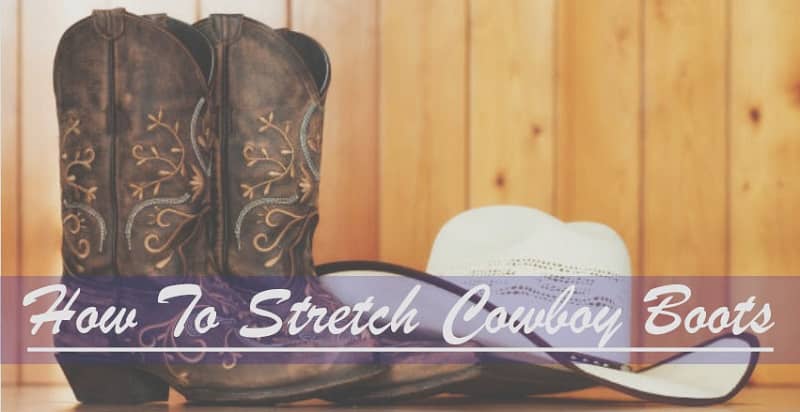
Cowboy boots were originally engineered for riders, not for the wide range of calf shapes that wearers bring to them today. The shaft — the tall upper portion of the boot — is typically cut from a single panel of leather with limited give. That design works beautifully for durability but can feel like a clamp if your calves run wide, muscular, or even slightly above the industry average. Before you write off a pair as unwearable, it's worth knowing that most leather shafts have meaningful stretch potential when you approach them correctly.
It also helps to size cowboy boots properly from the start — the foot fit and the calf fit are two separate measurements, and getting both right matters. But even a well-sized boot often needs some deliberate work to open up around the calf. That's normal, and it's fixable.
Contents
Why Cowboy Boot Calves Run Tight
Before you start stretching, it pays to understand what you're working with. Cowboy boot shafts are built differently from the uppers on most other footwear, and that construction is the root of why calf fit is such a common pain point.
How Boot Construction Affects Calf Fit
Traditional cowboy boot construction uses stiff leather panels stitched together with an emphasis on shape retention and long-term durability. The shaft is engineered to hold its form — which is great for longevity but punishing if your calf circumference runs above the manufacturer's assumed average, typically around 14 to 15 inches for men's sizing. Women's shaft circumferences vary widely by brand and style, often running narrower.
Unlike a lace-up work boot where you can adjust tension at every eyelet, a cowboy boot shaft is a fixed tube. There's no adjustment mechanism built in. That means you either break it in gradually through wear, stretch it deliberately, or live with the friction. The stitching patterns running up and down the shaft also add structural rigidity — and the more decorative stitching there is, the less natural flex the shaft tends to have.
Leather Types and Their Stretch Potential
Not all boot leather responds the same way to stretching. Understanding your boot's material before you start is key to avoiding damage. According to Wikipedia's overview of leather, animal hides contain natural protein fibers that relax when exposed to moisture and heat — the same principle behind every boot-stretching method.
- Full-grain cowhide — the most forgiving material; stretches moderately and reliably with proper conditioning
- Exotic leathers (ostrich, caiman, python) — less pliable, more structured; require extra care and often professional handling
- Suede or nubuck — naturally softer and more pliable; usually easier to stretch than smooth leather
- Synthetic or vegan leather — very limited stretch potential; can crack or peel under aggressive treatment
Knowing your material upfront helps you pick the right method and set realistic expectations. A full-grain cowhide shaft can typically be opened 1 to 1.5 inches in circumference. An exotic leather boot may give you half that — or less.
How to Stretch Cowboy Boots Calf — Methods That Work
There's no single method that wins across every situation. What works depends on how much stretch you need, your boot's material, and how patient you're willing to be. Here are the most reliable approaches, from the simplest to the most involved.
At-Home DIY Stretching Techniques
Wear-in method: The most natural approach. Put your boots on for an hour or two each day and let your body heat and movement gradually open up the shaft. This works best when the fit is just slightly snug — not when the boot won't go on past your midcalf. Wear thick socks to accelerate the process; keeping socks from falling down inside your boots matters here because you want consistent pressure throughout.
Stretching spray plus wear: Apply a leather stretching spray to the inside of the shaft, pull the boots on immediately, and walk around for 20 to 30 minutes. The moisture relaxes the leather fibers; your body heat and movement do the actual stretching. Let the boots dry while you're still wearing them so the new shape sets in place.
Boot shaft stretcher tool: These devices are specifically designed to expand the circumference of the shaft rather than just the foot box. Insert the stretcher, dial up the tension slowly — never crank it all the way in one session — and leave it overnight. Repeat over three to five nights for a meaningful result. Pair this with conditioning afterward to keep the leather from drying out.
Heat assist: A low-heat hair dryer run across the exterior of the shaft for 30 to 60 seconds can warm the leather enough to make it more cooperative. Keep the dryer moving constantly — concentrated heat can scorch or dry out the material. Follow immediately with a stretching spray or stretcher tool while the leather is warm and receptive.
Pro tip: Always condition the leather after any stretching session — stretched leather is more porous and prone to cracking if you skip the moisture step.
When the Boot Gets Stubborn
Some boots — especially new pairs with heavy decorative stitching or exotic skins — don't respond to a single method applied once. In those cases, layering techniques and repeating over multiple days is more effective than trying to force the result in one aggressive session.
- Spray the inside of the shaft, insert a shaft stretcher, and leave it set for 12 to 16 hours
- Remove the stretcher, condition the leather, and let it rest for a day
- Repeat the cycle three to five times before evaluating your progress
If you see unusual stress marks, cracking, or the stitching starts pulling away from the leather, stop immediately. Overstretching too fast causes irreversible structural damage. It's also worth checking that you haven't introduced new problems in the process — for example, if the boot now feels loose in the foot area, you may be dealing with heel slippage, which is a separate fit issue with its own fixes.
DIY vs. Professional Boot Stretching
This is the decision most people wrestle with. DIY is cheaper and immediate, but professional work delivers more precise results on boots that matter. Both are valid — the right call depends on a few clear factors.
What You Can Handle Yourself
DIY stretching is a reasonable first step when your situation fits most of these criteria:
- Your boots are standard full-grain cowhide, not exotic leather
- You need roughly half an inch to one inch of additional circumference
- The boots already have some wear — they're not brand new and completely unbroken
- You have access to a stretching spray and ideally a shaft stretcher tool
Keeping the leather in good condition during and after the process is part of the work. If you're not already in the habit of conditioning and polishing your boots, now is the time to start — knowing how to polish cowboy boots properly keeps the leather pliable long-term, which makes future adjustments easier and extends the life of the boot significantly. After any wet-stretching session, drying your boots correctly prevents warping, stiffening, or cracking as the leather sets.
When to Call a Cobbler
A professional cobbler is the better choice in these situations:
- You need more than 1 to 1.5 inches of additional shaft circumference
- Your boots are exotic leather — ostrich, python, caiman — that can crack or split under DIY methods
- You're working with a premium or heirloom pair you cannot afford to damage
- You've already tried DIY methods across multiple sessions without meaningful progress
Cobblers use commercial-grade shaft stretchers and a process sometimes called "lasting" — wetting the leather, stretching it over a form, and letting it dry under controlled conditions. The results tend to be more precise and longer-lasting than home attempts. If you're already dealing with other boot repairs — like resoling your cowboy boots — handling everything in one cobbler visit is more efficient than separate trips. And if your boots are cutting into your leg or ankle during the break-in process, a cobbler can also address ankle and leg friction issues at the same time.
What It Costs to Stretch Cowboy Boot Calves
Budget is often the deciding factor between DIY and professional. Here's an honest look at what you'll spend either way, so you can make an informed choice before you commit.
DIY Tool Costs
The upfront investment for DIY stretching is reasonable. Most tools are reusable across multiple pairs, so the per-boot cost drops significantly over time.
| Tool / Product | Estimated Cost | Notes |
|---|---|---|
| Leather stretching spray | $8–$15 | Works on most leather types; bottle lasts multiple sessions |
| Boot shaft stretcher tool | $20–$50 | Two-way and four-way models available; reusable indefinitely |
| Leather conditioner | $10–$20 | Essential after stretching to restore moisture and prevent cracking |
| Thick socks (wear-in method) | $0–$15 | You likely already have these on hand |
| Total DIY estimate | $38–$100 | One-time cost; tools carry over to future pairs |
Professional Service Costs
Professional cobbler pricing varies by region, boot type, and the amount of stretching required. As a general guideline:
- Standard shaft stretch (cowhide): $15–$35 per pair
- Exotic leather stretch: $30–$65 or more, depending on material sensitivity
- Stretch plus conditioning package: $40–$80 depending on leather type and service level
If you're bundling multiple repairs — stretching, resoling, conditioning — most cobblers offer package pricing that brings the per-service cost down. Overall, DIY wins on cost if you're willing to invest the time. Professional service wins on reliability, especially for expensive or exotic boots where getting it wrong has real consequences.
Frequently Asked Questions
Can you stretch cowboy boots to fit a wider calf?
Yes, in most cases. Full-grain cowhide cowboy boots can typically be stretched 1 to 1.5 inches in circumference through repeated DIY sessions or professional cobbler treatment. Exotic leathers offer less stretch potential and usually require a professional hand.
How long does it take to stretch cowboy boot calves?
DIY methods generally require 3 to 7 days of repeated sessions to produce a noticeable result. Professional cobbler stretching can achieve results in a single visit, typically with a turnaround of one to three days for the boots to be ready for pickup.
Will stretching my cowboy boots damage them?
Gradual stretching paired with proper conditioning should not damage your boots. The risk comes from rushing the process — overstretching too aggressively in a single session — or skipping the conditioning step afterward, which can cause the leather to dry out and crack.
Do leather stretching sprays actually work on cowboy boot shafts?
They work best as part of a combined approach — spray the shaft, then immediately apply physical pressure through wearing or a shaft stretcher tool. Using the spray alone without follow-through stretching produces minimal results on its own.
Final Thoughts
Knowing how to stretch cowboy boots calf area gives you a real path forward with boots that feel almost-right but not quite there. Start with the wear-in and spray methods, add a shaft stretcher if needed, and always condition afterward — most boots respond well to that sequence over a week's worth of sessions. If you're dealing with a premium or exotic pair, a cobbler is worth every dollar. Head over to our Boot Tips & Guides section for more advice on getting the most out of your footwear, and pick up the right conditioning products before your next stretching session so you're ready to protect the leather as you work.


About James Miller
James Miller is a dedicated individual based in the vibrant city of San Francisco, CA, USA. His unwavering passion lies in the realm of construction, where he finds fulfillment in exploring and documenting various facets of construction equipment and processes. A graduate of the University of California Merced, James holds a dual degree in mechanical and electrical engineering, which has equipped him with a solid foundation in technical knowledge.With a keen eye for detail and a knack for articulation, James has channeled his enthusiasm into writing about the intricacies of construction gear and methodologies. His insightful writings offer valuable insights to both industry professionals and curious enthusiasts, shedding light on the machinery and techniques that shape the built environment.James Miller's educational background in mechanical and electrical engineering lends credibility to his work, allowing him to delve into the technical nuances of construction with precision. His passion for sharing knowledge and fostering understanding in the construction field is evident in his contributions, making him a respected voice in the industry.
Get FREE Boots Gifts now. Or latest free toolsets from our best collections.
Disable Ad block to get all the secrets. Once done, hit any button below