Over 70 percent of construction and trade workers report some form of foot discomfort during a typical shift, and one of the most overlooked causes is a sock that won't stay put inside your boot. If you're on your feet for eight or ten hours a day, figuring out how to keep socks from falling in boots can make a real difference — not just in comfort, but in blister prevention and long-term foot health. This guide walks through everything from sock construction and material choice to simple techniques and gear options that work. For more practical advice on getting the most out of your boots, browse the full Boot Tips & Guides collection.
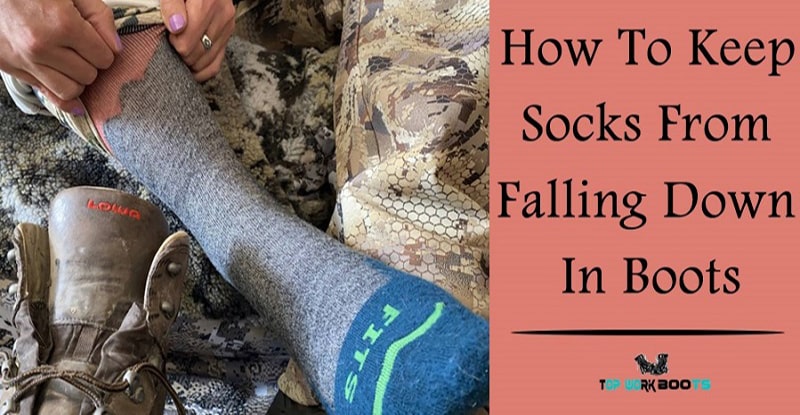
The problem seems minor until you're halfway through a shift and your sock has bunched up under your heel. At that point, you're either stopping to fix it or grinding through the discomfort — and neither option is acceptable when you have work to do. The good news is that sock slippage is almost always fixable, and most of the solutions are low-cost or free.
Understanding what causes socks to fall in the first place puts you in a much better position to stop it. A few factors tend to work together: worn-out elastic, the wrong sock height for your boot style, moisture building up inside the boot, and boots that are even slightly too large. Address the right combination, and the problem typically disappears for good.
Contents
Why Socks Slip Down Inside Work Boots
The Role of Elastic and Fabric
The elastic band at the top of a sock has one job: maintaining tension against your calf or ankle while you move around. When that elastic stretches out — from repeated washing, heavy use, or just age — it loses its grip, and the sock starts sliding down. This is probably the single most common reason socks fall in work boots, and it's often invisible until you're already on the job.
Fabric composition plays a major role too. Socks made primarily from cotton absorb sweat and stretch out as the day progresses. Once they're wet and loose, they have almost no chance of staying up. Wool and synthetic blends hold their shape significantly better, particularly during physically demanding work where your feet are sweating continuously. According to the Wikipedia overview of sock construction, the type of yarn and knit pattern used in a sock's cuff directly affects how well it maintains tension against the leg over time — something most people don't think about when grabbing a six-pack of basic athletic socks.
How Boot Fit Contributes to the Problem
If your boots are even a half size too large, your foot moves inside the boot with every step. That constant motion acts like a downward pull on the sock, gradually working it toward your heel. This is closely related to heel slippage: the sock follows your foot's movement, and if your foot has too much room, the sock doesn't stand a chance. If you're also dealing with your heel lifting inside the shaft, the advice in this post on how to fix heel slippage in cowboy boots covers a lot of the same root causes that apply to work boots as well.
Boot shaft height adds another layer to this. A tall boot with a wide shaft creates a lot of interior space for the sock to fold into as you walk. If the sock isn't tall enough to extend above the boot's calf opening and press against your leg, it has nothing to grip, and it will collapse downward. Short socks in tall boots almost always end up around the ankle by mid-morning.
Sock Types Compared
Height Matters More Than You Think
Sock height is probably the single most controllable variable in this whole equation. No-show socks inside a tall work boot are going to fall immediately — there's no material making contact with your calf, so there's nothing to resist the downward pull. As a general rule, your sock should extend at least an inch above the top of your boot's shaft to maintain tension.
For most standard work boots (8-inch or taller), over-the-calf (OTC) socks are the most reliable choice. They stay up because they have continuous contact with your leg from ankle to below the knee. Mid-calf and crew-height socks work reasonably well in 6-inch boots, but they tend to slide in taller styles because they end right at the shaft opening — a spot where there's no compression to hold them in place.
Breaking Down Sock Materials
Sock material affects stretch retention, moisture management, and long-term durability — all of which feed directly into whether your sock stays put through a full shift. The table below compares the most common options side by side.
| Material | Stay-Up Rating | Moisture Wicking | Durability | Best For |
|---|---|---|---|---|
| Merino Wool | Excellent | Excellent | High | Cold-weather work, all-day wear |
| Wool Blend (Wool + Nylon) | Very Good | Good | High | All-season heavy duty use |
| Synthetic Blend (Nylon/Polyester) | Good | Very Good | High | Warm weather, high-sweat environments |
| Bamboo | Good | Good | Medium | Mild conditions, sensitive skin |
| Cotton | Fair | Poor | Medium | Light-duty or casual wear only |
Cotton is at the bottom for a reason. It absorbs moisture without releasing it, which means the fabric gets heavier and more stretched out as the shift goes on. If you're currently wearing basic cotton socks and they keep falling, switching material alone might solve the problem entirely.
Gear That Helps Keep Socks in Place
Sock Suspenders and Garters
Sock suspenders — sometimes called sock garters — attach to the top of your sock and clip to something higher up on your leg, physically preventing the sock from sliding down. They're not common in trade environments, but they do work reliably. If you've already tried better socks and the right technique and your socks still won't stay up, suspenders are a mechanical fix that bypasses the elastic problem entirely.
Compression socks are a related and more practical alternative for most workers. The higher overall tension throughout the fabric keeps everything snug against your leg without needing an external clip. Many trade workers already wear compression socks for circulation and fatigue management on long shifts. If that includes you, switching to a compression style that extends above your boot top is a straightforward fix — you'd be solving two problems with one sock.
Boot Liners and Insoles
A well-fitting insole can contribute to sock stability by reducing the dead space inside your boot. When your foot fills the boot more completely, there's less movement with each step, which means less friction pulling the sock downward. If your boots feel slightly loose or you're between sizes, adding a thicker aftermarket insole is worth trying before buying new footwear. This kind of internal fit adjustment also helps with overall comfort — many of the same principles that apply to keeping your feet warm in boots during cold conditions come down to that same combination of proper sock choice and a snug, well-fitted interior.
How to Keep Socks From Falling in Boots — Step by Step
Choosing the Right Sock for Your Boot Type
Start by matching sock height to boot height. For 8-inch or taller work boots, use over-the-calf socks as your baseline. For 6-inch boots, a heavy crew sock that extends two to three inches above the boot top usually holds well. For ankle-height styles, mid-crew socks are generally fine.
Next, check the composition. If you work in warm or high-activity conditions, a moisture-wicking synthetic blend keeps your socks drier throughout the day, which helps them maintain tension. In colder environments, merino wool is worth the higher price point: it wicks moisture, stays warm even when damp, and holds its shape through a full shift in a way that budget wool blends typically don't.
Finally, look at the cuff construction before you buy. A sock with a reinforced ribbed cuff — those horizontal rows near the top — carries significantly more elastic tension than a flat, smooth cuff. Run your finger along the inside of the band. If the elastic feels thin or already loose in the packaging, that sock won't last through a full workday on a job site.
Putting Them On the Right Way
This step sounds obvious, but technique genuinely matters. Pull the sock all the way up before you put your boot on. Don't let it sit at a mid-calf position expecting it to ride up on its own — it won't. Once the sock is fully extended up your leg, put the boot on and lace it snugly through the ankle area. The compression from proper lacing actually helps hold the sock in position throughout the day.
For over-the-calf socks, take an extra few seconds to smooth out any wrinkles or folds before lacing. A bunched section near the ankle creates a pressure point that accelerates elastic wear, causes discomfort mid-shift, and gives you a reason to pull the sock down to adjust — starting the slide cycle all over again.
Everyday Tricks That Actually Work
The Double-Sock Method
Wearing a thin liner sock underneath your main work sock is a technique long used by backpackers and hikers to prevent blisters — but it also keeps both layers more stable inside the boot. The inner liner grips your skin, the outer sock grips the liner, and the two layers together resist downward movement far better than either one on its own. If your current socks are decent quality but still slip, adding a lightweight liner is the simplest first experiment.
The liner-plus-outer combination also shifts friction from skin to fabric, which reduces the hot spots that develop into blisters during long standing shifts. It takes about thirty extra seconds in the morning, and the difference is noticeable by early afternoon.
Keeping Moisture Under Control
Sweat stretches fabric. The wetter your sock gets, the more it loses structural tension, and the faster it slides. Managing moisture inside your boot keeps socks drier and dramatically extends how long they stay in place. Foot powder or a light antiperspirant spray applied to the feet before putting socks on can reduce sweat enough to matter — especially during warmer months or physically intense work.
Some workers also shake a small amount of foot powder directly into the boot. If moisture is a persistent issue, make sure your boots are actually drying out fully between wears. A boot that never fully dries starts every shift already damp, which accelerates both sock slippage and material breakdown. For guidance on proper drying technique, the post on how to dry work boots covers the most effective methods without damaging the leather or insulation.
Simple Fixes vs. Long-Term Strategies
What You Can Do Right Now
If your socks are falling today and you need a fix before your next shift, the fastest options are straightforward. Pull the socks all the way up before lacing your boots — this alone solves the problem for many people who were simply putting socks on and stepping in. Add a thin liner sock over what you already have if you don't want to buy anything new. Tighten your laces more firmly through the ankle section to reduce foot movement inside the boot.
For an emergency fix, a small strip of double-sided fabric tape on the inside of the sock cuff can hold it in place for a shift. It's not sustainable for regular use and may degrade the elastic over time, but it works when you need it. Think of it as a one-day bridge, not a solution.
Building Better Habits Over Time
The most reliable long-term fix is investing in socks built specifically for work boot use. Brands that focus on occupational and outdoor footwear typically offer socks with reinforced heel and toe areas, higher-density ribbed cuffs, and material blends that maintain their shape across hundreds of wash cycles. The upfront cost is higher, but the per-wear cost often works out lower than replacing cheaper socks every few months.
Beyond socks, it's worth periodically reassessing your boot fit. Boots break in and soften over time, which can make them roomier than when they were new. If that added room is contributing to more foot movement, a thicker insole can compensate. Small adjustments like these, maintained consistently, keep your footwear system working as a whole rather than fighting itself each day.
Frequently Asked Questions
What type of sock stays up best in tall work boots?
Over-the-calf (OTC) socks are generally the most reliable option for tall work boots. Their extended length creates continuous contact with your leg above the boot shaft, giving them much more surface area to hold against than shorter styles.
Does sock material really affect whether socks stay up?
Yes, significantly. Wool and synthetic blends maintain their shape and elasticity much better than cotton, especially as the sock gets damp from sweat. Cotton absorbs moisture and stretches out progressively throughout the day, which is why cotton socks are often sliding by afternoon.
Can wearing two pairs of socks help keep them from falling?
Wearing a thin liner sock under your main work sock can help. The two layers grip each other, reducing the overall slippage. It also shifts friction away from your skin, which helps prevent blisters during long shifts on hard surfaces.
Is sock slippage related to boot size?
Often yes. If your boots are a half size or more too large, your foot moves inside the boot with every step, and the sock follows that movement downward. Ensuring a proper fit — or using a thicker insole to fill dead space — directly addresses this cause.
How often should I replace my work socks?
Once the elastic at the cuff begins to feel loose or the fabric in high-wear areas like the heel and ball of the foot becomes noticeably thin, it's time to replace them. Quality work socks typically last six to twelve months with regular use, depending on the intensity of your work.
Do compression socks help with slippage?
They can. The higher overall tension in a compression sock keeps it snug against your leg throughout the day. If you're already wearing compression socks for circulation or fatigue reasons, switching to a longer style that extends above your boot top is a practical two-in-one solution.
What's the best way to put on socks to prevent slipping?
Pull your socks fully up your leg before putting your boots on — don't let them sit at mid-calf and expect them to stay. After the sock is fully extended, put on the boot and lace it snugly through the ankle. The boot compression actually helps hold the sock in place while you work.
Can insoles help stop socks from falling down?
Indirectly, yes. A thicker or better-fitting insole reduces the dead space inside your boot, which limits how much your foot moves with each step. Less foot movement means less downward pull on the sock. It's not a primary solution on its own, but it supports everything else you're doing.
Final Thoughts
Dealing with socks that won't stay up is one of those small annoyances that compounds into real fatigue over a long shift — but it's also one of the easiest footwear problems to fix once you understand what's driving it. Start by checking your sock height and material, make sure your boots fit snugly, and try pulling your socks fully up before lacing. If those basics don't solve it, the double-sock method and a moisture-management routine will get you the rest of the way there. Pick one change, try it for a week, and see what difference it makes on the job.


About Jason Flores
Jason Flores is a multi-talented individual whose unique journey has led him to blend his passion for craftsmanship and fashion into a creative endeavor. During his formative years, he found himself immersed in the world of handiwork, spending countless hours in his grandfather's workshop. These early experiences allowed him to develop a deep understanding of practical skills and a keen eye for detail.Simultaneously, Jason harbored an innate love for fashion, drawn to the artistry and self-expression it offers. As he grew older, he recognized the potential to combine his proficiency in craftsmanship with his fashion sensibilities. This realization led him to a path where he began to explore and write about the intersection of fieldwork fashion.
Get FREE Boots Gifts now. Or latest free toolsets from our best collections.
Disable Ad block to get all the secrets. Once done, hit any button below