Which cowboy boot sole actually holds up better — leather or rubber? The answer depends entirely on where and how you use your boots. The debate over leather vs rubber sole boots has real stakes: your safety on slick surfaces, your comfort through a ten-hour shift, and how long your boots last before they need resoling. This guide, part of our ongoing boot tips and guides series, gives you a definitive side-by-side breakdown so you can make a smart call before you spend your money.
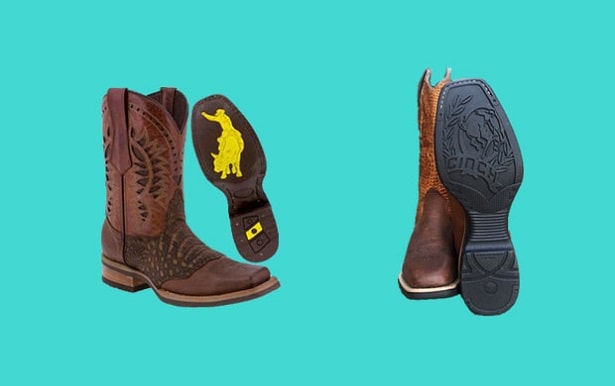
Cowboy boots have been a workhorse footwear staple for over a century, and the sole material — often an afterthought at the point of purchase — shapes everything from how your boot feels on concrete to whether it grips a slippery barn floor. Leather soles carry a long tradition tied to equestrian work. Rubber soles came later, engineered for a world where cowboys work as often in warehouses and on job sites as they do in the saddle.
Before you commit to either, you need to understand what you're actually getting. The right sole for a trail rider is the wrong sole for someone standing on oily concrete all day. Buying the wrong one doesn't just hurt your feet — it shortens the life of an otherwise solid boot.
Contents
A Short History of the Cowboy Boot Sole
Where Leather Soles Come From
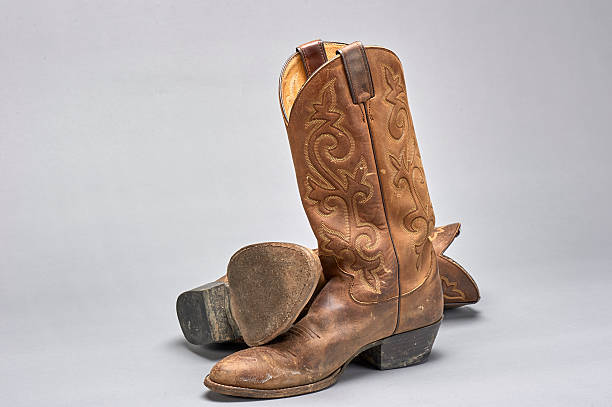
The original cowboy boot was built around the demands of ranching and horseback riding. Leather soles became the standard because they offered a smooth surface that slid cleanly in and out of stirrups — a critical safety feature when you're mounted. Early bootmakers used stacked leather: compressed layers of hide stitched together into a firm, thin platform that gave riders direct ground feel beneath them.
This design dominated cowboy boot construction for most of the 20th century. Leather was abundant, workable, and compatible with the Goodyear welt construction that quality boots rely on. If you've compared a Red Wing Iron Ranger against a Wolverine 1000 Mile, you've already seen how that slim leather sole profile defines the classic work boot silhouette — cowboy boots simply took the same logic further.
When Rubber Entered the Picture
Rubber soles started appearing on cowboy-style boots in the mid-20th century as work environments shifted. Ranching gave way to oil fields, factories, and construction sites — places where leather's smooth surface becomes a liability. Manufacturers responded by bonding vulcanized rubber to boot bottoms, offering grip, oil resistance, and shock absorption that leather simply cannot provide. According to the Wikipedia overview of boot construction, rubber outsoles have become the dominant material in occupational footwear precisely because of these functional advantages over natural leather.
What These Sole Materials Are Really Made Of

Leather Sole Construction
A leather sole is built from compressed cowhide layers — sometimes called stacked leather or leather board. The layers are glued and stitched, creating a stiff, smooth base. The quality of the hide determines durability: full-grain leather outlasts bonded leather composites, but both share the same core properties:
- Thin profile with minimal built-in cushioning
- Smooth surface that gradually molds to your foot shape
- Breathable — leather allows some moisture to pass through, reducing heat buildup
- Cobbler-friendly — the welt construction makes resoling straightforward and affordable
Rubber Sole Construction
Rubber soles are made from vulcanized rubber — a process using heat and sulfur to harden natural or synthetic rubber into a durable, flexible compound. The result is a sole that grips, absorbs impact, and resists chemical exposure in ways leather never could. Most rubber-soled cowboy boots use either a full rubber outsole or a combination design with rubber heel and toe units bonded to a leather midsole.
- Molded tread channels for traction on wet, oily, or uneven surfaces
- Built-in cushioning that reduces fatigue on hard floors
- Waterproof barrier — rubber does not absorb moisture
- Heavier than leather, which adds cumulative fatigue over long shifts
| Feature | Leather Sole | Rubber Sole |
|---|---|---|
| Stirrup compatibility | Excellent — smooth, clean release | Poor — grips and catches stirrup edge |
| Wet surface traction | Low — slippery when wet | High — textured tread channels water away |
| Oil and chemical resistance | None | Good to excellent |
| Shock absorption | Minimal | Moderate to high |
| Breathability | Moderate | Low |
| Weight | Lighter | Heavier |
| Resole ease | Easy — cobbler-friendly welt construction | Moderate — depends on bond type |
| Break-in period | Longer — molds slowly to your foot | Shorter — flexible from the first wear |
| Aesthetic | Traditional, refined profile | Modern, functional look |
Matching Your Sole to Your Situation
When Leather Soles Make Sense
Leather soles shine in specific settings. If you ride horses, work in dry environments, or dress up regularly, leather is the better fit. The smooth sole slides in and out of a stirrup cleanly — rubber grabs the edge and creates a dangerous drag. Leather also reads as more refined in professional or dress settings; it ages into a rich patina that rubber never achieves.
These situations favor leather:
- Equestrian work and recreational riding
- Office, business-casual, or dress environments
- Dry climates with minimal rain or moisture exposure
- Buyers who plan to resole repeatedly and want a long-term investment
If you're new to cowboy boots, reading up on how to walk in cowboy boots is a smart first step — leather soles require a slightly different gait than rubber, especially on slick surfaces, and knowing that going in saves you some painful trial and error.
When Rubber Soles Make Sense
Rubber soles are the right call for most working environments. If you spend your day on concrete, tile, or wet surfaces, rubber protects you in ways leather simply cannot. The tread gives you traction. The cushioning reduces joint strain across a full shift. And if you're working around oil, chemicals, or standing water, rubber creates a barrier that leather absorbs instead of deflecting.
These situations favor rubber:
- Construction sites, warehouses, manufacturing floors, and oil fields
- Wet or rainy climates where puddles and mud are routine
- Long shifts on hard, flat surfaces where cushioning matters
- Workers who need slip-resistant, oil-resistant, or electrical-hazard ratings
Performance Differences You'll Feel from Day One
Traction and Grip
This is the sharpest functional divide between the two sole types. Leather on a wet surface is genuinely dangerous — the smooth finish provides almost no friction on polished concrete, tile, or wet pavement. Rubber, with its molded tread channels, moves water away from the contact zone and keeps you planted. If your work environment involves any moisture or slick flooring, rubber is not a preference — it's a safety requirement. This isn't a minor comfort consideration. Falls on hard surfaces cause real injuries, and your sole choice directly affects your risk.
Comfort Over a Long Day
Leather soles take time to break in. They're stiff out of the box and mold gradually to the shape of your foot — a process that can take several weeks of regular wear. Once broken in, many wearers find the personalized fit exceptional. But getting there requires patience. Rubber soles are more forgiving from the first day: they flex naturally, require less adjustment, and cause less initial discomfort.
If you're evaluating a new pair, knowing whether they fit correctly from the start makes a real difference in how either sole type performs long-term. Our guide on how to tell if boots fit right walks you through the specific checkpoints to look for before you commit. A well-fitted boot of either sole type will outperform a poorly fitted one every time.
Cushioning is also fundamentally different between the two. Leather soles offer almost no inherent shock absorption — you feel the ground through them, which can feel natural and connected on soft terrain but punishing on concrete after hour six. Rubber builds in a compressible layer that reduces impact on your knees and lower back across a full workday.
Weight and Flexibility
Leather soles are lighter. That matters when you're on your feet for ten or more hours. Rubber adds real mass to the bottom of the boot, and over a long shift, that extra weight compounds leg fatigue. If you're already wearing a steel-toe cap and a heavy leather upper, a thick rubber outsole pushes the total weight up significantly. On the other hand, rubber outsoles flex more naturally in the forefoot, making the stride feel more fluid for workers who cover a lot of ground throughout their day.
Common Mistakes That Lead You to the Wrong Sole
Riding in Rubber-Soled Boots
This is the most common error cowboy boot buyers make, and it creates a genuine safety hazard. If you plan to ride horses, rubber soles are dangerous. The grippy tread catches on stirrup edges, making it difficult to get your foot free if you fall. Classic leather-soled cowboy boots exist precisely for this reason — the smooth surface releases cleanly under pressure. Never ride in rubber-soled boots if you can avoid it, no matter how good they look.
Wearing Leather Soles on Slick Surfaces
Leather soles and wet floors are a bad combination. Many buyers choose leather for the look and wear them to job sites, restaurants, or rain-soaked parking lots without thinking through the surface underfoot. A single slip on wet tile can cause a serious injury. If your daily routine puts you on any wet or oily surface, rubber is the only responsible choice — not just for your comfort, but for your physical safety.
Ignoring the Resole Window
Both leather and rubber soles wear out, but most people wait too long to act on it. With leather, the welt becomes exposed as the sole thins — once the welt is damaged, resole costs jump dramatically because the cobbler has to repair structure before replacing the sole. With rubber, worn-down tread loses its grip and can become nearly as slippery as smooth leather. Check your tread and sole thickness every few months, especially if you're putting in heavy miles.
If you've reached the point where resoling is necessary, the step-by-step walkthrough on how to resole cowboy boots at home covers when and how to handle it yourself versus when to hand the job to a cobbler. And before any of that, make sure the boots fit correctly from the start — our guide on how to size cowboy boots helps you nail the fit so you're not dealing with uneven wear caused by a poor fit from day one.
Keeping Your Soles in Good Shape
Caring for Leather Soles
Leather soles need moisture management above everything else. Too dry and they crack along the edges; too wet and the layers separate over time. The core maintenance routine is straightforward and takes only a few minutes:
- Wipe off dirt and grit after each wear — abrasive debris cuts into the surface faster than regular use
- Apply a leather conditioner to the sole edge and bottom every four to six weeks
- Let wet leather soles dry naturally and away from direct heat sources, which cause cracking
- Consider a thin rubber half-sole applied by a cobbler — it extends leather sole life significantly without changing the look of the boot
Mink oil penetrates leather deeply and keeps the sole supple without leaving a greasy residue on the walking surface. Apply it to the sole edge and bottom — not just the upper — for complete protection. Good leather sole care pairs naturally with upper conditioning, so fold it into your regular boot maintenance routine rather than treating it as a separate task. For a complete care routine from upper to sole, our guide on how to clean work boots covers every step in sequence.
Caring for Rubber Soles
Rubber soles are lower-maintenance than leather, but they're not maintenance-free. Rubber dries out and cracks over time, especially in dry climates or when boots are stored in direct sunlight. UV exposure degrades the rubber compound faster than wear does in many cases. A few habits keep rubber soles performing at full capacity:
- Clean tread channels regularly — packed mud and debris eliminate grip as effectively as worn-down tread
- Apply a silicone-based rubber conditioner every few months to prevent surface cracking and brittleness
- Store boots away from windows and direct sunlight, which accelerates rubber breakdown
- Inspect tread depth monthly if you work in high-use environments — grip loss happens gradually and is easy to miss
One often-overlooked issue with rubber-soled boots is squeaking, which develops when the rubber sole separates slightly from the insole or upper bonding. If that happens, our guide on how to stop boots from squeaking walks through the most effective fixes, most of which you can do at home without special tools.
Frequently Asked Questions
Are leather sole cowboy boots slippery?
Yes, leather soles are noticeably slippery on wet, polished, or oily surfaces. The smooth finish that makes them ideal for stirrup release provides very little friction on modern flooring like tile or polished concrete. If you want to keep wearing leather-soled boots but work in environments with some moisture, a cobbler can add a thin rubber half-sole to the forefoot — it improves grip significantly without changing the look of the boot from the outside.
Can you replace a leather sole with a rubber sole?
Yes, and it is one of the most common cobbler upgrades for cowboy boots. A skilled cobbler removes the worn leather sole and bonds or stitches a rubber or combination sole in its place. The process is especially clean on boots with Goodyear welt construction, where the sole attaches to the welt and separates without damaging the upper. The result is a boot with better traction and cushioning that still retains its original upper and fit.
Do rubber-soled cowboy boots look less authentic?
It depends on the design. Traditional cowboy boot aesthetics favor the slim leather sole profile visible at the heel and toe. However, many modern manufacturers keep the rubber sole thin and profile-matched to maintain the classic silhouette. From the outside, a well-made rubber-soled cowboy boot is often indistinguishable from a leather-soled one — you only notice the difference when you flip the boot over or feel the grip underfoot.
Final Thoughts
The choice between leather vs rubber sole boots comes down to one question: where are you actually wearing them? If you ride horses or need a polished look in dry conditions, leather is the right call. If you work long days on hard floors or in wet environments, rubber keeps you safer and more comfortable from the first hour to the last. Pick the sole that matches your real environment — not just the look you want — and your boots will serve you far longer. Head over to our boot tips and guides section to keep building your knowledge on fit, care, and choosing the right footwear for your specific trade.


About James Miller
James Miller is a dedicated individual based in the vibrant city of San Francisco, CA, USA. His unwavering passion lies in the realm of construction, where he finds fulfillment in exploring and documenting various facets of construction equipment and processes. A graduate of the University of California Merced, James holds a dual degree in mechanical and electrical engineering, which has equipped him with a solid foundation in technical knowledge.With a keen eye for detail and a knack for articulation, James has channeled his enthusiasm into writing about the intricacies of construction gear and methodologies. His insightful writings offer valuable insights to both industry professionals and curious enthusiasts, shedding light on the machinery and techniques that shape the built environment.James Miller's educational background in mechanical and electrical engineering lends credibility to his work, allowing him to delve into the technical nuances of construction with precision. His passion for sharing knowledge and fostering understanding in the construction field is evident in his contributions, making him a respected voice in the industry.
Get FREE Boots Gifts now. Or latest free toolsets from our best collections.
Disable Ad block to get all the secrets. Once done, hit any button below