What separates leather work boots that last a decade from ones that fall apart in two years? The answer is maintenance — and at the core of that is knowing how to clean leather boots properly. Leather is tough, but it's organic. Without regular cleaning, the fibers dry out, oils evaporate, and cracks form at every flex point. Everything you need is right here in our boot care guide.
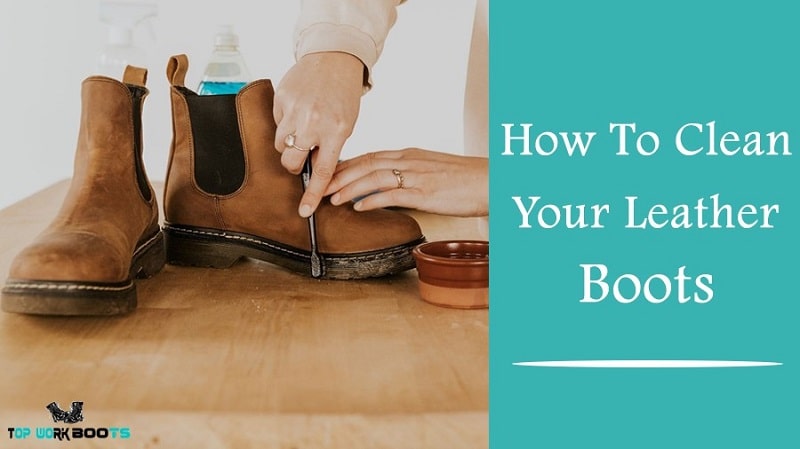
The process isn't complicated, but the details matter. The wrong cleaner strips natural oils. Skipping conditioning after cleaning leads to cracking. Applying polish to dirty leather seals grime into the grain. Each mistake shortens your boots' life — and if you're wearing premium leather work boots on the job, that's a real financial hit you can avoid.
This guide covers everything: the right gear, a step-by-step cleaning process, deep conditioning for neglected boots, and a long-term maintenance schedule. Whether your boots are brand new or battle-worn, these methods work.
Contents
The Right Tools for Cleaning Leather Boots
You don't need a professional cobbler's setup. But you do need the right supplies — and you need to know which products will damage your leather before you ever touch your boots with them.
Essential Cleaning Supplies
Keep these items in your boot care kit:
- Soft horsehair brush — for the leather upper; won't scratch finished leather
- Stiff nylon brush — for the sole, welt seam, and heavy mud removal
- Damp cloth or natural sponge — for applying cleaner and wiping residue
- Saddle soap or leather cleaner — your primary cleaning agent
- Leather conditioner — mink oil, neatsfoot oil, or a dedicated conditioner
- Boot polish (wax or cream, matched to your boot color)
- Clean buffing cloths — old t-shirt material works perfectly
- Boot trees or crumpled newspaper — to maintain shape while drying
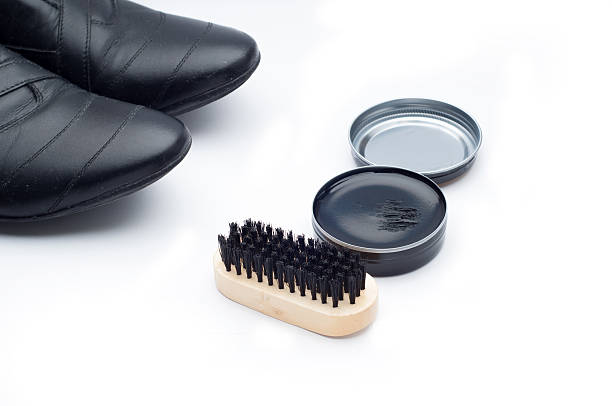
The most important item on that list is a quality leather conditioner. Every cleaning session removes some moisture from the leather — conditioner replaces those oils and keeps the fiber structure intact. If you're unsure which product to use, the comparison of boot oil vs. mink oil explains the differences clearly. The right conditioner depends on your leather type and how hard your boots work.
Products to Avoid
Some common household products do real, lasting damage to leather. Avoid all of these:
- Dish soap and laundry detergents — strip the leather's natural oils aggressively
- Baby wipes or alcohol-based wipes — dry out the surface and cause premature cracking
- Silicone-based sprays — clog leather pores and prevent conditioning from absorbing
- Bleach or ammonia solutions — cause irreversible discoloration and fiber breakdown
- Petroleum-based products on unfinished leather — cause permanent dark staining
Pro tip: Always test a new cleaner or conditioner on a small hidden area before applying it to the full boot. Full-grain, nubuck, and pull-up leather each react differently to the same product.
How to Clean Leather Boots Step by Step
This is the core process for a full clean. It takes about 20 minutes from start to finish. Follow these steps in order — sequence matters more than most people realize.
Removing Dirt and Debris
Start completely dry. Applying water or product over caked-on mud pushes grime deeper into the grain and makes the problem significantly worse.
- Remove the laces and insoles.
- Use your stiff nylon brush to knock dried mud, salt deposits, and debris off the sole, welt seam, and heel.
- Switch to your soft horsehair brush and work over the entire leather upper in short, firm strokes.
- Pay extra attention to the seams, eyelets, and the crease where the upper meets the welt — these areas trap the most grime.
- Shake the boots out and let loosened debris fall before moving to the next step.
Washing, Drying, and Conditioning
Once loose dirt is gone, you can introduce moisture:
- Dampen your cloth or sponge — damp, not soaking wet.
- Apply a small amount of saddle soap or leather cleaner to the cloth. Never apply it directly to the boot.
- Work in circular motions across the entire leather upper, covering every section of the boot.
- Wipe away all cleaner residue with a fresh damp cloth.
- Stuff the boots with boot trees or crumpled newspaper to hold their shape.
- Let them dry at room temperature. Never use direct heat. Radiators, hair dryers, and campfires dry leather unevenly from the outside in, causing cracking and stiffness that can't be reversed.
- Once fully dry — a few hours minimum, overnight is ideal — apply your leather conditioner. Use a clean cloth, work it in using circular motions, and let it absorb for at least 15 minutes before polishing or wearing.
If your boots develop persistent odor that cleaning alone doesn't fix, the guide on how to remove odor from leather shoes covers targeted treatments for deep-set bacterial buildup that standard cleaning misses.
Polishing and Buffing
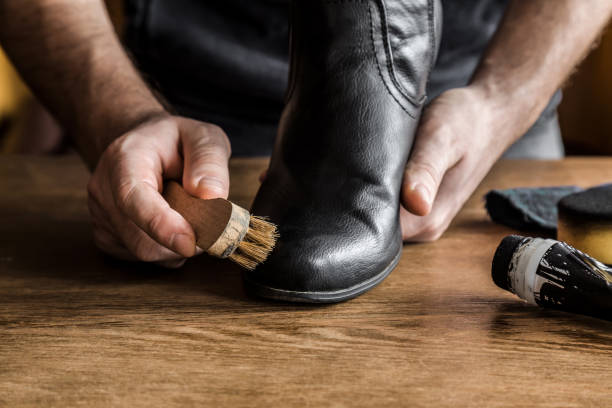
Polish isn't mandatory for work boots, but it adds a protective layer and keeps your boots presentable on job sites where appearance matters.
- Apply a thin layer of wax or cream polish with a soft cloth.
- Let it sit for 2–3 minutes.
- Buff with a horsehair brush using back-and-forth strokes — this builds the shine and works the polish into the leather grain.
- For a higher shine, follow with a second pass using a clean cotton cloth.
Cream polish adds pigment and moisture. Wax polish adds shine and a harder protective surface layer. Most work boot wearers get better results from cream. For a detailed frequency schedule based on your use level, see the guide on how often to polish shoes.
Warning: Never apply polish to boots that haven't been properly cleaned first. Polishing over dirt seals abrasive particles into the leather surface, accelerating grain wear far faster than normal use would.
Beginner Cleaning vs. Advanced Conditioning
There's a clear difference between maintaining boots that are in good shape and rehabilitating boots that have been neglected. Both skills are worth having.
Routine Cleaning for Everyday Boots
For most wearers, a standard maintenance schedule looks like this:
- After every wear: Wipe off surface dust and dirt with a dry cloth or soft brush.
- Weekly (heavy use): Full dry brushing plus a damp wipe-down.
- Monthly: Complete clean with leather cleaner, followed by conditioning.
This baseline keeps leather in excellent condition indefinitely. The biggest mistake beginners make is waiting until boots show obvious damage — cracking, stiffness, or discoloration — before doing anything. By that point, you're doing damage control instead of prevention.
According to Wikipedia's overview of leather processing, hides are treated with oils and fats during tanning specifically to maintain pliability. Regular conditioning isn't adding something new to your boots — it's restoring what was built into the leather at manufacture.
Deep Conditioning for Heavily Worn Leather
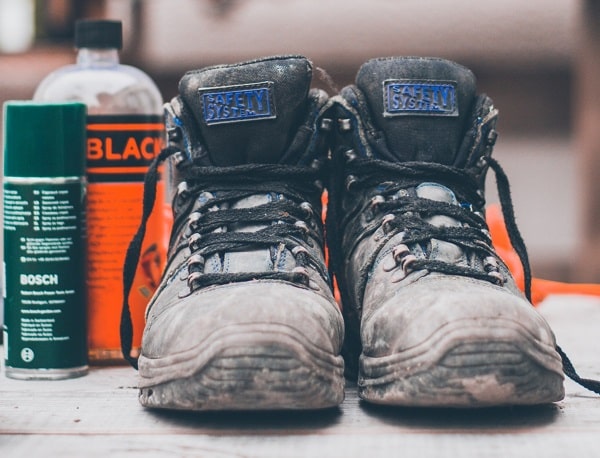
If your boots look dry, feel stiff, show white salt bloom, or have minor surface cracks, a standard clean won't fix them. You need a deep conditioning treatment.
Steps for deep conditioning:
- Complete a full clean as described above.
- Apply a generous coat of conditioner — mink oil or neatsfoot oil penetrate deeply and are well suited for heavy reconditioning work.
- Let the conditioner absorb for at least 30 minutes.
- If the leather still looks dry or feels stiff, apply a second coat.
- Leave overnight before polishing or wearing.
Use this table to match the right treatment to your boot's current condition:
| Boot Condition | Severity | Recommended Treatment |
|---|---|---|
| Surface dust and light dirt | Low | Dry brush + damp wipe-down |
| Scuff marks and dulling | Low | Cream polish + buff |
| Salt stains / white bloom | Medium | Diluted white vinegar solution + full conditioning |
| Dry, stiff leather | Medium | Full clean + double conditioning session |
| Visible cracks at flex points | High | Deep conditioning + leather filler product |
| Peeling or flaking leather | Severe | Professional cobbler assessment or replacement |
Building a Leather Boot Maintenance Routine That Lasts
Cleaning your boots once is a good start. Building it into a consistent habit is what actually protects your investment over the long term. The difference between a well-maintained pair and a neglected pair becomes obvious within six months.
How Often Should You Clean Your Boots?
Frequency depends on how hard your boots work. Here's a practical framework:
- Light duty / office or retail environments: Clean and condition every 4–6 weeks
- Moderate use / outdoor labor: Clean every 2 weeks, condition monthly
- Heavy use / construction, farming, forestry: Clean weekly, condition every 2–3 weeks
- After chemical, prolonged mud, or water exposure: Clean and recondition immediately — don't wait for your next scheduled session
Leather is essentially skin. It needs hydration after stress. The harsher the environment, the more frequently it needs attention. Treating your boots like the professional equipment they are pays dividends over years, not just weeks.
Seasonal Care and Storage Tips
Each season puts different demands on your leather. Your care routine should adapt accordingly.
Winter care:
- Ice-melt chemicals and road salt are leather's worst seasonal enemies. Clean your boots after every exposure — don't let salt residue sit overnight.
- Apply a waterproofing wax before the cold season starts and reapply after heavy exposure.
- Keep boots away from heating vents and radiators. Dry indoor heat pulls moisture from leather faster than outdoor cold does.
Summer care:
- Heat fades color and dries leather quickly. Condition more frequently during warm months.
- Heavy sweating accelerates bacterial growth inside the boot. Address odor early before it embeds in the lining.
Off-season storage:
- Clean and condition thoroughly before putting boots away for the season.
- Insert boot trees to preserve shape and prevent toe-box collapse.
- Store in a cool, dry, well-ventilated space. Never in a sealed plastic bag — leather needs airflow to stay healthy.
- Avoid direct sunlight, which fades color and dries leather unevenly over time.
If you've invested in a premium pair like the Chippewa Super Logger, following a seasonal care schedule is straightforward — it requires consistency, not expertise. Quality leather repays that effort year after year.
The Real Cost of Cleaning vs. Skipping Boot Care
Skipping the occasional clean feels harmless in the moment. Over months, the cumulative damage is significant — and expensive.
Benefits of a Consistent Routine
Regular cleaning does far more than improve appearance. It:
- Extends boot lifespan dramatically — well-maintained leather work boots can last 10 years or more with proper care
- Prevents cracking and structural failure at high-flex points like the toe box and ankle
- Preserves waterproofing effectiveness by keeping the leather surface pores clear of grime buildup
- Protects welt stitching from acidic contaminants found in mud, salt, and sweat
- Reduces the likelihood of needing costly repairs — if you're already dealing with damage, the boot heel repair guide walks you through your DIY options before you consider a cobbler
What Happens When You Neglect Leather
The deterioration timeline moves faster than most people expect:
- 1–2 weeks without care: Surface grime and dust accumulate, dulling the finish
- 1 month: Leather begins drying as natural oils deplete
- 3 months: Visible cracking starts at high-flex points — toes, ankle creases
- 6+ months: Deep cracking, possible welt delamination, significant color loss
The math is simple. A quality leather conditioner costs a few dollars. A professional repair costs tens to hundreds. A replacement pair of quality work boots can run several hundred dollars. Regular maintenance is the cheapest insurance your boots will ever have.
Remember: Once leather cracks deeply, no amount of conditioning fully restores the fiber structure. Prevention is always cheaper than repair — and far less frustrating.
Frequently Asked Questions
Can I use dish soap to clean leather boots?
No. Dish soap strips the natural oils from leather aggressively, leaving the surface dry and vulnerable to cracking. Use saddle soap or a dedicated leather cleaner instead. These products are specifically formulated to lift dirt without removing the oils that keep leather supple and flexible.
How do I remove salt stains from leather boots?
Mix equal parts white vinegar and water. Dampen a clean cloth with the solution and gently wipe the salt-affected areas. The mild acidity in vinegar neutralizes the alkaline salt residue. Follow immediately with a full conditioning treatment to replenish the moisture the vinegar draws out of the leather.
What's the best conditioner for leather work boots?
It depends on your leather type and the level of care needed. Mink oil and neatsfoot oil penetrate deeply and are ideal for heavy reconditioning of dried-out leather. Dedicated conditioners like Leather Honey or Obenauf's Heavy Duty LP work well for regular maintenance. Avoid petroleum-based products on unfinished or light-colored leather, as they cause permanent staining.
How do I dry leather boots after they get wet?
Remove the insoles and laces, stuff the boots with newspaper or insert boot trees, and let them dry at room temperature. Never use a hair dryer, heater, or direct sunlight. These methods dry the leather unevenly from the outside in, causing the fibers to shrink and crack. Once completely dry, apply conditioner to replace the moisture lost during drying.
Can I use the same cleaning process on nubuck or suede leather?
No. Nubuck and suede require a completely different approach. Use only a dedicated suede brush and suede-safe cleaner on these surfaces. Never apply saddle soap, standard conditioners, or wax polish to nubuck or suede — these products permanently alter the napped texture in ways that cannot be reversed.
How do I clean the inside of my leather boots?
Remove the insoles and wash them separately with mild soap and water, then let them air dry fully. For the boot interior, lightly dampen a cloth with a small amount of rubbing alcohol or a dedicated boot interior cleaner and wipe down the lining. Let the inside dry completely before reinserting insoles. For persistent odor, the guide on removing odor from leather shoes covers targeted treatments that go beyond surface cleaning.
Does conditioning leather boots make them softer and easier to break in?
Yes. Conditioning restores moisture to the leather fibers, making them more supple and pliable. This is especially noticeable on new boots or boots that have dried out from heavy use. If you're dealing with stiff new boots, conditioning works well alongside the standard break-in methods covered in the guide to how to break in work boots.
How do I clean leather boots without fading or changing the color?
Use a color-appropriate leather cleaner or saddle soap, and follow up with a cream polish that matches your boot color. Avoid over-wetting the leather, which causes water staining and uneven color. Always test any product on a hidden area first. Cream polishes deposit pigment as they protect, which helps maintain consistent color across the boot surface over time.
Clean boots aren't about vanity — they're the difference between leather that lasts a decade and leather that gives out in a season.


About James Miller
James Miller is a dedicated individual based in the vibrant city of San Francisco, CA, USA. His unwavering passion lies in the realm of construction, where he finds fulfillment in exploring and documenting various facets of construction equipment and processes. A graduate of the University of California Merced, James holds a dual degree in mechanical and electrical engineering, which has equipped him with a solid foundation in technical knowledge.With a keen eye for detail and a knack for articulation, James has channeled his enthusiasm into writing about the intricacies of construction gear and methodologies. His insightful writings offer valuable insights to both industry professionals and curious enthusiasts, shedding light on the machinery and techniques that shape the built environment.James Miller's educational background in mechanical and electrical engineering lends credibility to his work, allowing him to delve into the technical nuances of construction with precision. His passion for sharing knowledge and fostering understanding in the construction field is evident in his contributions, making him a respected voice in the industry.
Get FREE Boots Gifts now. Or latest free toolsets from our best collections.
Disable Ad block to get all the secrets. Once done, hit any button below