A friend of mine bought a pair of knee-high rain boots for a weekend camping trip and spent the entire drive home complaining they were too heavy and too hot. Meanwhile, the person who brought the shorter pair hiked around camp all day without a second thought. That experience sums up the Hunter boots short vs tall debate perfectly — it is not about which one is better. It is about which one is right for what you are actually doing. Understanding the real differences before you buy saves you from making the same trade-off in the wrong direction. Before you commit to a pair, take a look at the boot tips and guides on this site for a broader foundation.
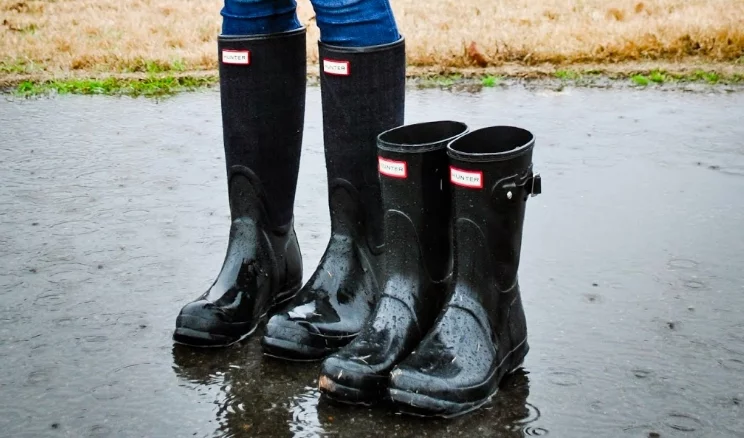
Hunter Boot Ltd has been producing rubber wellington boots since 1856, and their two most popular silhouettes remain the Original Short and the Original Tall. Both use the same vulcanized natural rubber shell and deliver genuine waterproof protection. The only difference is the shaft height — but that one factor drives every practical trade-off between the two. The tall version rises to roughly 16 inches, just below the knee. The short version sits at about 8 to 9 inches, landing above the ankle. That gap in coverage changes how each boot handles real conditions.
Neither boot is a compromise. They are purpose-built for different situations, and once you understand what those situations are, the choice usually becomes obvious. Read through the full breakdown below and you will know exactly which height fits your life.
Contents
At a Glance: Short vs. Tall Hunter Boots
Before going deep into scenarios and use cases, it helps to see the core specs side by side. The table below makes the Hunter boots short vs tall comparison fast and easy to scan.
| Feature | Original Short | Original Tall |
|---|---|---|
| Shaft Height | ~8–9 inches (above ankle) | ~16 inches (below knee) |
| Weight | Lighter | Heavier |
| Water Protection Level | Light to moderate puddles | Deep water, mud, streams |
| Calf Coverage | None | Full calf protection |
| Packability | Folds flat, travel-friendly | Bulky, needs its own bag |
| Ease of Entry | Quick slip-on | Requires more effort |
| Best Environment | City, commute, light outdoor use | Farm, trail, heavy outdoor work |
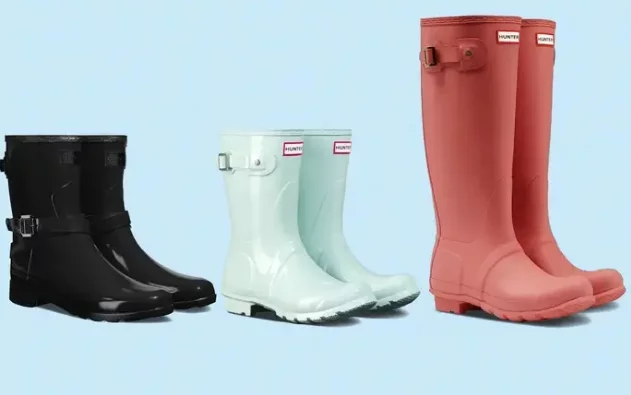
The Original Short
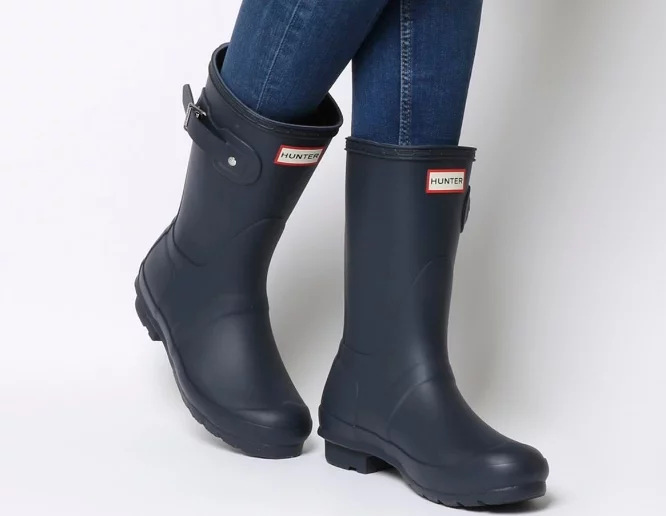
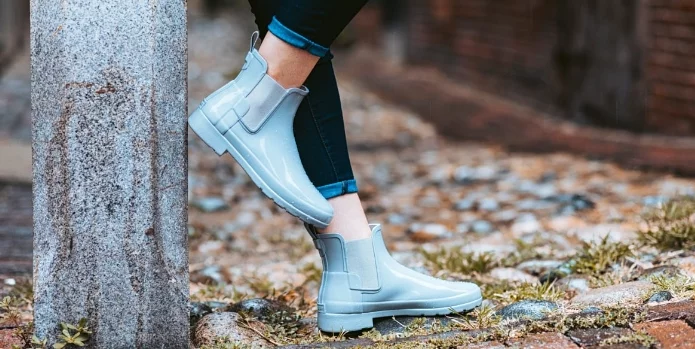
The Original Short is built for people who want Hunter's core waterproofing without the bulk of a tall shaft. It slips on and off in seconds, folds flat into a tote bag or backpack, and does not restrict your movement the way a taller boot does. It is the practical pick for urban and light outdoor settings — rainy commutes, muddy parking lots at outdoor markets, wet grass at a backyard event. Because the shaft sits just above the ankle, you get protection exactly where you need it without extra rubber weighing down your stride.
The limit is predictable: if water rises above the ankle, it goes in. A flooded street, a deep puddle on a hiking trail, or standing water in a field will defeat the short boot quickly. For controlled, everyday wet conditions it handles the job cleanly. Before buying, check out this guide on how to tell if boots fit right — Hunter boots tend to run large, and a poor initial fit is one of the most common complaints from first-time buyers.
The Original Tall
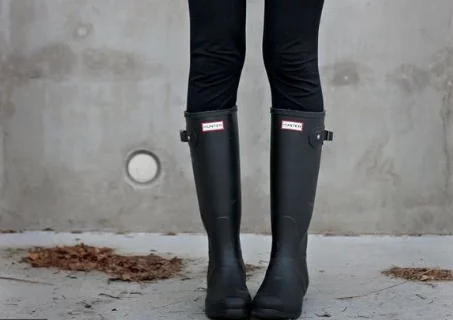
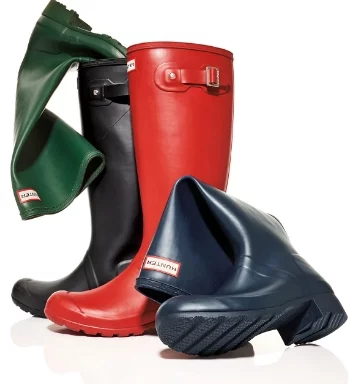
The Original Tall is what most people picture when they hear "Hunter boots." The shaft extends to just below the knee, covering your entire calf and sealing out water, mud, thorns, and insects at the same time. This is the boot for jobs and activities where wet feet are not an option. Farm work, stream crossings, muddy trails, flooded work sites — the tall handles all of it without question.
The trade-off is real. The taller shaft adds rubber, which adds weight. After a full day on your feet, that extra mass becomes noticeable. People with wider calves may also find the standard tall version cuts into the back of their leg after a few hours. Hunter makes an Adjustable version with a neoprene gusset (a stretchy panel) at the back for exactly that reason. If a standard rubber boot ever feels too stiff in the calf area, the advice in this post on how to stretch work boots applies and is worth reading.
Choosing the Right Height for Your Lifestyle
The right boot is the one that matches how you actually spend your time — not the one with the better marketing photo. The Hunter boots short vs tall question comes down to your typical environment and what you need the boot to do on any given day.
When the Short Boot Makes More Sense
If most of your wet-weather encounters happen in cities or suburbs — puddles on sidewalks, wet grass at an outdoor event, a soggy work-site parking lot — the short boot earns its place without question. It is lighter, faster to put on, easier to store, and far more comfortable to walk in for extended periods on hard surfaces. Travel is another major factor. The short Hunter folds and fits inside a carry-on bag or a large backpack, which makes it the obvious pick for anyone who moves around a lot.
Wearing ankle boots to work is already a common approach for professionals in light outdoor roles, and the short Hunter fits neatly into that pattern. It transitions from a wet commute to an indoor setting without looking out of place. If cold weather is part of the equation, pair the short boot with a thick wool sock — this article on how to keep feet warm in boots gives you the full approach for staying comfortable when temperatures drop.
Pro insight: If you genuinely split your time between urban settings and outdoor work, owning one of each height is a reasonable investment — the short for everyday use, the tall for when conditions get unpredictable.
When You Need the Tall Boot
Outdoor workers, gardeners, hunters, trail hikers, and anyone dealing with deep or unpredictable mud needs the tall. When water levels are uncertain, the extra shaft height is non-negotiable. A farmer crossing a drainage channel, a landscaper working after heavy rain, or a hiker fording a shallow stream needs that calf coverage. The tall boot also acts as a physical barrier against low brush, insects, and thorns — none of which the short boot protects against at all.
For long outdoor sessions, sock management matters more than people expect. Socks that bunch or slide down inside a tall boot create pressure points and blisters fast. This straightforward guide on how to keep socks from falling down in boots is worth a read before your first extended outing in the tall version.
How Real People Actually Wear Hunter Boots
Spec sheets only tell you so much. Understanding how each height holds up across different types of users — and different types of days — gives you a clearer picture of what you are actually getting.
On the Farm, Trail, and Work Site
For people who work outdoors regularly, the tall Hunter is the standard choice. Mud is deep, water levels shift, and you cannot stop mid-task to change footwear. The all-rubber construction means no laces to manage and no seams to fail. Cleaning at the end of the day takes under two minutes — rinse with a hose, wipe down, done. For a deeper look at keeping any work boot in peak condition, this guide on how to clean work boots covers the core principles that apply to rubber boots as well.
One honest drawback: rubber does not breathe. On warm days, your feet will sweat. A moisture-wicking liner sock manages this well enough for most people. If you are on your feet for more than six hours at a stretch, consider adding a cushioning insole — Hunter boots offer minimal arch support straight out of the box, and your feet will feel it after a full day without any additional padding.
In the City, at Festivals, and on the Daily Commute
The short Hunter has earned a permanent spot in the urban wardrobe. It is popular at outdoor music festivals because you can wear it all day without fatigue, it rinses clean in seconds, and it does not overwhelm an outfit. Commuters appreciate being able to tuck it under a desk or into a locker rather than carrying a separate dry-shoes bag. Fashion and function land in the same place with the short version.
One quirk some people notice on hard indoor floors is a squeaking sound from the rubber sole. It is harmless but annoying. The fixes outlined in this post on how to stop boots from squeaking work just as well for rubber soles as they do for leather ones.
Getting the Most from Your Hunter Boots
Rubber boots are lower maintenance than leather, but they are not maintenance-free. A few consistent habits keep them performing and looking good for years.
Fit, Sizing, and Comfort
Hunter boots run large — most people size down by one full size from their normal shoe size. The stiff rubber shaft and wide foot box can feel awkward in the first few wears, but the boot does break in and conform to your foot over time. Give it a week of regular use before writing it off as uncomfortable. Getting the initial fit right is the single most important step for long-term comfort.
For people with wider calves, the standard tall boot creates pressure at the back of the calf after extended wear. The Adjustable version solves this directly. If you are unsure whether a current boot fit is working for you, this article on how to tell if boots fit right walks through the key checks to confirm your sizing is correct.
Cleaning and Long-Term Care
Cleaning Hunter boots is straightforward. Rinse off mud with a garden hose, wipe the surface with a damp cloth, and let them air dry away from direct sunlight and heat. UV exposure degrades rubber over time, so storing them in a cool, shaded space extends their life significantly. Avoid leaving them near a radiator or in a hot car.
Hunter sells a branded boot buffer to restore shine and prevent white bloom — a powdery surface residue that appears naturally on rubber. A damp cloth with a small amount of mild soap handles the same job for routine maintenance. Skip silicone-based sprays entirely; they accelerate rubber breakdown. If you own leather boots alongside your Hunters, this guide on how to use mink oil covers conditioning leather footwear the right way — a separate process but equally worth knowing.
Key Takeaways
- The Original Short (8–9 inches) is the better choice for city use, commuting, and light outdoor activities where ankle-high coverage is enough.
- The Original Tall (16 inches) is built for farms, trails, outdoor work sites, and any situation where water or mud levels are unpredictable.
- Hunter boots run large — size down by one full size and consider the Adjustable tall version if you have wider calves.
- Both heights require minimal care — rinse, air dry, store away from UV exposure — but avoid silicone sprays and heat sources that degrade rubber.


About Jason Flores
Jason Flores is a multi-talented individual whose unique journey has led him to blend his passion for craftsmanship and fashion into a creative endeavor. During his formative years, he found himself immersed in the world of handiwork, spending countless hours in his grandfather's workshop. These early experiences allowed him to develop a deep understanding of practical skills and a keen eye for detail.Simultaneously, Jason harbored an innate love for fashion, drawn to the artistry and self-expression it offers. As he grew older, he recognized the potential to combine his proficiency in craftsmanship with his fashion sensibilities. This realization led him to a path where he began to explore and write about the intersection of fieldwork fashion.
Get FREE Boots Gifts now. Or latest free toolsets from our best collections.
Disable Ad block to get all the secrets. Once done, hit any button below