You showed up to a weekend trail in a pair of sturdy work boots, only to watch a group of day hikers fly past you in light, flexible shoes. Made you wonder if you were carrying more boot than you needed. The debate over hiking boots vs shoes comes up constantly in outdoor and work footwear circles, and the answer is never as simple as picking the heavier option. Getting this choice right affects your comfort, your safety, and how your feet feel at the end of a long day on uneven ground. Our boot tips and guides cover a wide range of footwear decisions — this one deserves a close look.
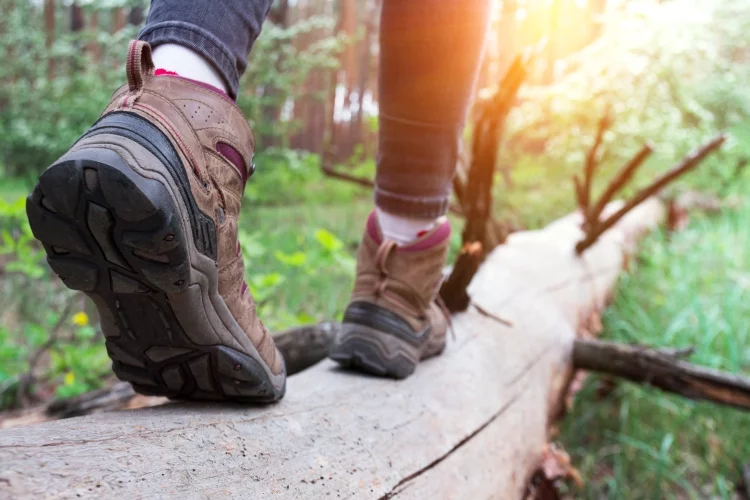
At the most basic level, hiking boots rise above the ankle and offer more structure. Hiking shoes sit low — closer to a running shoe in cut — but feature trail-specific outsoles and reinforced toe caps. Both are built for off-road movement, but they serve different purposes depending on terrain, load, and how your body moves.
There's no single correct answer here. Your trail conditions, fitness level, and foot health all factor in. This guide breaks down the key differences so you can make an informed call — not just grab whatever looks tougher on the shelf.
Contents
Understanding Hiking Footwear: Where It All Started
Hiking footwear didn't always look like what you see on trail today. For most of outdoor history, people wore heavy leather work boots — built more for farm and field work than mountain travel. The shift toward purpose-built trail footwear only gained momentum in the mid-20th century, as recreational hiking grew popular across Europe and North America.
According to Wikipedia's overview of hiking boots, early designs borrowed heavily from military and work boot construction — prioritizing durability over comfort. Modern materials like nylon mesh, EVA foam midsoles, and rubber lug outsoles changed the game entirely.
The Anatomy of a Hiking Boot
A standard hiking boot has several distinct layers working together:
- Upper: Usually leather, synthetic, or a combination. Determines durability and breathability.
- Midsole: Made of EVA (ethylene-vinyl acetate — a lightweight foam) or polyurethane for cushioning and support.
- Outsole: Rubber with lugs (raised tread blocks) for grip on dirt, rock, and mud.
- Shank: A stiff plate inside the midsole that controls torsion (twisting of the sole). More shank equals a stiffer, more stable boot.
- Collar: The padded cuff above the ankle. Taller collars provide more lateral containment.
How Hiking Shoes Came to Be
Trail running grew rapidly through the 1990s, and shoe companies began producing low-cut footwear with aggressive outsoles for off-road use. These became what we now call hiking shoes. They look more like athletic shoes, weigh significantly less, and break in much faster than boots. The trade-off is reduced ankle structure and generally less weather protection.

Hiking Boots vs Shoes: Matching Footwear to Terrain
The right footwear isn't just about preference — it's about what the trail demands. A well-fitted hiking shoe on a flat, groomed path is often more comfortable than a stiff boot. Put that same shoe on a loose talus slope (a field of broken rock) and you'll feel every sharp edge through the sole.
When Boots Are the Better Choice
Consider boots when:
- You're carrying a heavy pack (over 30 lbs). More weight above you puts more stress on your ankles.
- The terrain is wet, muddy, or involves stream crossings. Taller shafts keep water out longer.
- You're on rocky or uneven ground where ankle rolls are a real risk.
- You're covering multi-day trips where foot fatigue compounds over time.
- You have a history of ankle sprains or naturally weak ankle joints.
When Shoes Have the Edge
Hiking shoes work well when:
- The trail is well-maintained and relatively flat.
- You're going light — a small daypack or no pack at all.
- Warm weather makes breathability more valuable than coverage.
- You want to move quickly, like on trail runs or fast-paced day hikes.
- You're transitioning between hiking and urban walking in the same outing.

How to Pick the Right Option for Your Hike
Choosing between hiking boots and shoes comes down to three honest questions. Answer them before you buy and the right option usually becomes clear on its own.
Step 1: Know Your Terrain and Distance
Look at a trail map before you go. Note the elevation gain, surface type, and whether there's water on the route. A 5-mile day hike on a gravel path is very different from a 5-mile loop over loose rocks and stream crossings. Match your boot height to the difficulty of the terrain, not just the number of miles. Distance alone doesn't tell you much about what your feet will face.
Step 2: Consider Your Ankle Health
If you've rolled an ankle before — or if you're coming back from an injury — a boot with a higher collar gives you an extra margin of safety. It won't prevent every sprain, but it adds resistance to that sharp lateral roll. If your ankles are strong and you hike regularly, a low-cut shoe may actually feel more natural since your muscles do the stabilizing work directly.
If you're moving from work boots to trail footwear for the first time, the break-in process will feel familiar. Our guide on how to break in work boots covers techniques that apply equally well to stiff hiking boots with leather uppers.
Step 3: Factor in Weather Conditions
Waterproof membranes like Gore-Tex are available in both boots and shoes. In wet conditions, a waterproof boot keeps your feet drier longer simply because the shaft is taller. In hot weather, waterproofing can feel stifling — breathable mesh shoes perform better when rain and puddles aren't a concern. Check the forecast before you pick your footwear.
Solving Common Fit Problems
Even if you choose the right category, a poor fit will cause problems. Here's how to tackle the most common complaints that come up with both boots and shoes.
Blisters and Hotspots
Blisters form from friction. If you're getting hotspots, check three things first: sock thickness, lacing tension, and whether the footwear is long enough. Your longest toe should have about a thumb's width of space from the front when your heel is fully seated. Too little room and your toes jam on descents. Too much and your foot slides forward, creating heel blisters instead.
- Use moisture-wicking wool or synthetic socks — never cotton, which holds sweat against the skin.
- Try different lacing techniques. A "heel lock" lace pattern can stop heel slippage entirely.
- Apply anti-friction balm or tape to known hotspots before a blister has the chance to form.
Heel Slippage
Some heel movement is normal in a new boot and usually settles with break-in miles. But if your heel is lifting noticeably after several wears, you likely need a different volume fit or a thicker insole. A structured aftermarket insole can fill that extra space and lock the heel in place more effectively than a stock footbed ever will.
Side-by-Side: Hiking Boots vs Hiking Shoes
Here's a direct look at the main factors most people weigh when choosing between the two.
| Feature | Hiking Boots | Hiking Shoes |
|---|---|---|
| Ankle support | High — collar extends above ankle | Low — ankle fully exposed |
| Typical weight | 2.5 – 4 lbs per pair | 1.5 – 2.5 lbs per pair |
| Break-in time | Several wears to a few weeks | Minimal — often immediate |
| Waterproofing | Easier to keep feet dry in wet terrain | Dries faster once soaked |
| Best terrain | Technical, rocky, off-trail | Groomed trails, light day hikes |
| Durability | Generally longer lifespan | Shorter, but lower cost to replace |
| Price range | $120 – $300+ | $80 – $200 |
Weight and Packability
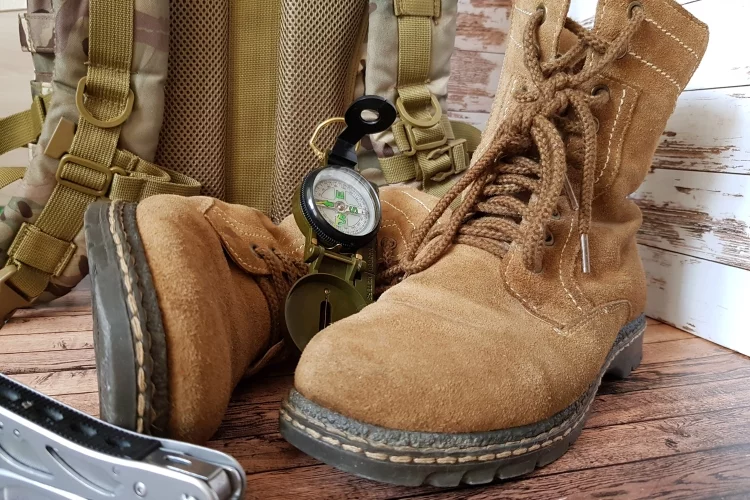
Weight adds up fast on a long trail. The old backpacking saying holds that one pound on your feet equals five pounds on your back in energy expenditure. Hiking shoes typically weigh 30–50% less than comparable boots. If you're going light and fast, that difference matters. If you need the stability a boot provides under a heavy load, the extra ounces are worth carrying.
Durability and Lifespan
Full-grain leather boots can last years with proper care. Leather needs regular conditioning to stay supple and water-resistant — our guide on how to condition leather walks through the process step by step. Synthetic uppers in shoes and lighter boots wear out faster under heavy use, but they're typically cheaper to replace when they do.
Ankle Support and Protection

This is the biggest functional difference between the two categories. A boot's collar physically limits how far your ankle can roll laterally. Research on the topic is mixed — some studies suggest ankle strength matters more than boot height for injury prevention — but for people with weak ankles or heavy loads, the added structure provides a real safety margin on uneven terrain.
Cost Considerations

Entry-level hiking shoes start around $80–$100. Quality hiking boots typically begin closer to $120–$150 for synthetic models, and $180–$300 for full-grain leather. If you hike occasionally on easy terrain, a mid-range shoe offers solid value. If you're logging serious miles on demanding trails, spending more on a well-constructed boot tends to pay off over time.
Gear That Works With Either Choice
Your boot or shoe is only part of the equation. What you put inside and how you maintain the outside affects performance just as much as the footwear itself.
Insoles and Socks
Most factory insoles (footbeds) are thin and offer minimal arch support. An aftermarket insole from brands like Superfeet or Currex can meaningfully improve comfort and reduce fatigue on longer hikes. Pair your footwear with the right socks:
- Merino wool: excellent temperature regulation, naturally odor-resistant, works in both warm and cool conditions
- Synthetic: dries faster than wool, usually more affordable, good for wet environments
- Liner socks: ultra-thin socks worn under a thicker sock to reduce friction and prevent blisters
Waterproofing and Care
Both boots and shoes benefit from regular DWR (durable water repellency) treatment. This is a spray or wax coating applied to the outer material that causes water to bead up rather than soak in. Reapply it after every few washes. For leather boots, conditioning always comes before waterproofing — dry leather cracks and loses its natural resistance. Consistent maintenance extends the life of any hiking footwear significantly.
Frequently Asked Questions
Are hiking boots or shoes better for beginners?
For most beginners, hiking shoes are a practical starting point. They're lightweight, require almost no break-in time, and work well on maintained trails. As you take on more demanding terrain or longer distances, you can move up to a structured boot. Start simple and upgrade based on where your hiking takes you.
Do hiking boots actually prevent ankle sprains?
They can reduce the risk, but they're not a guarantee. A boot's collar limits extreme lateral rolling, which helps when you're carrying weight or moving over uneven ground. Ankle strength and careful foot placement matter just as much. Think of boots as an added buffer, not a replacement for trail awareness.
Can I use hiking boots for work?
It depends on the boot and the job. Some hiking boots meet safety standards for toe protection, but most don't carry formal ASTM ratings. If your job requires certified safety footwear, look for purpose-built work boots with the ratings you need. For outdoor jobs like landscaping or land management on soft terrain, a robust hiking boot may serve well without formal certification.
How long do hiking boots typically last?
A well-made leather hiking boot, properly maintained, can last five to ten years with moderate use. Synthetic boots and shoes wear out faster — typically 500 to 1,000 trail miles. Check the midsole periodically. When it feels flat and compressed underfoot, it's time to replace the boot regardless of how the upper looks.
Are waterproof hiking boots worth it?
In wet climates or on trails with frequent stream crossings, yes. Waterproof membranes keep your feet dry longer in sustained wet conditions. The trade-off is reduced breathability, which can cause sweaty feet in hot weather. If you hike in variable or consistently wet conditions, a waterproof option is usually the safer investment.
What's the difference between a hiking shoe and a trail runner?
Trail runners are designed for speed — they're lighter, more flexible, and have less underfoot cushioning. Hiking shoes sit between trail runners and boots in structure and sole stiffness. Most hiking shoes have more durable uppers and stiffer soles than trail runners, making them better suited to slower-paced hiking with occasional loads.
Should hiking boots fit tight or loose?
Neither extreme is correct. You want a snug fit through the heel and midfoot with enough room in the toe box to wiggle your toes freely. Your heel should lift no more than a few millimeters on flat ground. Lacing technique matters too — experiment with different patterns to fine-tune the fit before you hit the trail.
Can hiking shoes be used for trail running?
Yes, though they're not ideal for fast-paced running because they're heavier and stiffer than purpose-built trail runners. For casual run-hike combinations or occasional jogs on easy trails, a hiking shoe works fine. For high-volume or competitive trail running, dedicated trail running shoes are the more appropriate tool.
The right hiking footwear isn't the heaviest option or the lightest — it's the one that fits your terrain, your load, and your feet without fighting you every step of the way.


About James Miller
James Miller is a dedicated individual based in the vibrant city of San Francisco, CA, USA. His unwavering passion lies in the realm of construction, where he finds fulfillment in exploring and documenting various facets of construction equipment and processes. A graduate of the University of California Merced, James holds a dual degree in mechanical and electrical engineering, which has equipped him with a solid foundation in technical knowledge.With a keen eye for detail and a knack for articulation, James has channeled his enthusiasm into writing about the intricacies of construction gear and methodologies. His insightful writings offer valuable insights to both industry professionals and curious enthusiasts, shedding light on the machinery and techniques that shape the built environment.James Miller's educational background in mechanical and electrical engineering lends credibility to his work, allowing him to delve into the technical nuances of construction with precision. His passion for sharing knowledge and fostering understanding in the construction field is evident in his contributions, making him a respected voice in the industry.
Get FREE Boots Gifts now. Or latest free toolsets from our best collections.
Disable Ad block to get all the secrets. Once done, hit any button below