A single pair of Timberland boots costs anywhere from $120 to over $250 — yet most owners replace them every two to three years because of cleaning mistakes that are entirely preventable. Knowing how to clean Timberland boots with simple home remedies is one of the best investments you can make in your footwear, and it costs almost nothing. These boots are built from nubuck or suede leather, materials that look rugged but react badly to the wrong products. Use the wrong cleaner and you strip the finish, permanently darken the material, or destroy the waterproofing in a single session. This guide covers it all: why Timberlands need specific care, which home remedies deliver real results, and how to dodge the mistakes that cut boot life short. Explore our full boot care resource hub for more guides on maintaining your footwear investment.
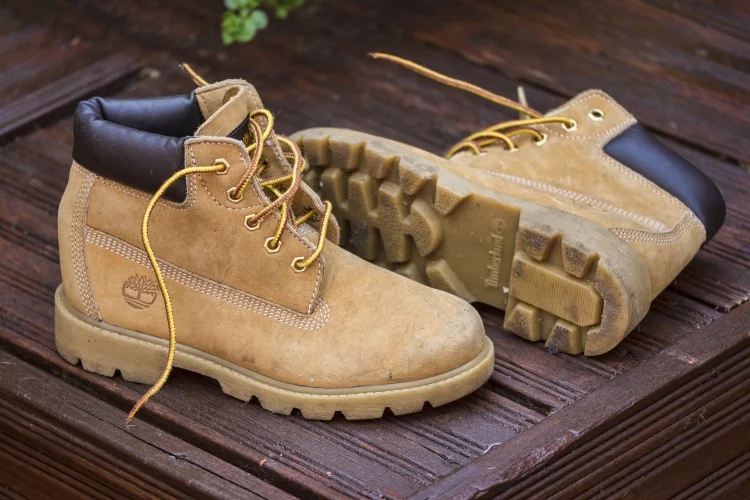
The nubuck leather Timberland uses on most of their iconic boots is sanded full-grain leather — buffed on the grain side to produce a soft, velvety texture that defines their signature look. That texture is also highly porous. Dirt, oils, sweat, and road salt penetrate the fibers quickly and don't simply wipe off the surface. You need to approach cleaning methodically: the right remedy, in the right sequence, with the right tools.
The good news is that you don't need an expensive cleaning kit. Most effective methods rely on items you already own — mild dish soap, baking soda, white vinegar, baby wipes, and a soft-bristled brush. The difference between boots that last five years and boots that last fifteen often comes down to these simple, consistent habits.
Contents
- Why Timberland Boots Need a Different Cleaning Approach
- Routine Care vs. Full Deep Cleans: Knowing Your Options
- The Best Home Remedies to Clean Timberland Boots
- Cleaning Myths That Are Ruining Your Timberlands
- Cost Breakdown: Home Remedies vs. Professional Cleaning
- Home Remedies vs. Commercial Cleaners: Honest Trade-Offs
- Frequently Asked Questions
- Key Takeaways
Why Timberland Boots Need a Different Cleaning Approach
The Nature of Nubuck and Suede Leather
Nubuck is full-grain leather that has been sanded or buffed on the grain side to create a soft, brushed surface. Suede comes from the split underside of the hide and is even more delicate. Both materials behave very differently from smooth leather:
- Highly porous surface — absorbs water, oil, sweat, and road salt quickly
- Cannot be wiped clean like smooth leather — scrubbing the wrong way crushes and damages the nap
- Standard leather conditioners clog the pores and stiffen the texture permanently
- Water and heat cause uneven shrinkage and dark staining if not managed correctly
This is why generic shoe cleaning advice doesn't apply here. Methods that work on smooth leather will ruin nubuck every time.
How Neglect Damages Your Investment
Skip regular cleaning and the damage accumulates fast:
- Salt stains from winter roads and job sites etch into the leather fibers and leave permanent white tide marks
- Embedded dirt acts like sandpaper, grinding into the nap with every step you take
- Trapped moisture breeds mold and produces that unmistakable "old boot" odor
- Waterproofing coatings break down when dirt and oils block the membrane from doing its job
Conditioning after cleaning is just as important as the clean itself. Our guide on how to condition leather walks you through that protective step in detail and explains which products work safely on nubuck.
Routine Care vs. Full Deep Cleans: Knowing Your Options
After-Wear Maintenance for Everyday Cleaning
If you're new to boot care, start here. A quick routine after every wear prevents dirt from setting in and dramatically cuts how often you need a full deep clean.
- Knock the soles together to dislodge loose mud and debris
- Use a dry, soft-bristled brush to sweep dirt off the upper in one direction
- Wipe the rubber rand and sole with a damp cloth
- Let the boots air dry at room temperature — never near a radiator, heater, or direct sunlight
- Store upright or with boot trees to hold their shape between wears
This five-step routine takes under three minutes. If your boots also get wet on the job, read our guide on how to dry boots safely without heat damage — the method matters more than most people realize.
When Your Boots Need a Full Deep Clean
A full home remedy cleaning session is warranted when you notice any of the following:
- Visible staining — oil spots, salt tide marks, or caked mud that dry brushing won't lift
- The nap feels matted and flat rather than soft and raised
- Odor that persists after airing out overnight
- Waterproofing failure — water no longer beads on the surface and soaks in instead
Most work boot wearers need a full deep clean every four to eight weeks. Construction workers and outdoor tradespeople working in wet or muddy conditions should lean toward the shorter end of that range.
The Best Home Remedies to Clean Timberland Boots
Every method below uses common household items. Always start with the gentlest method first and escalate only if the stain persists. Nubuck is forgiving when you work carefully, but aggressive scrubbing causes irreversible damage to the surface fibers.
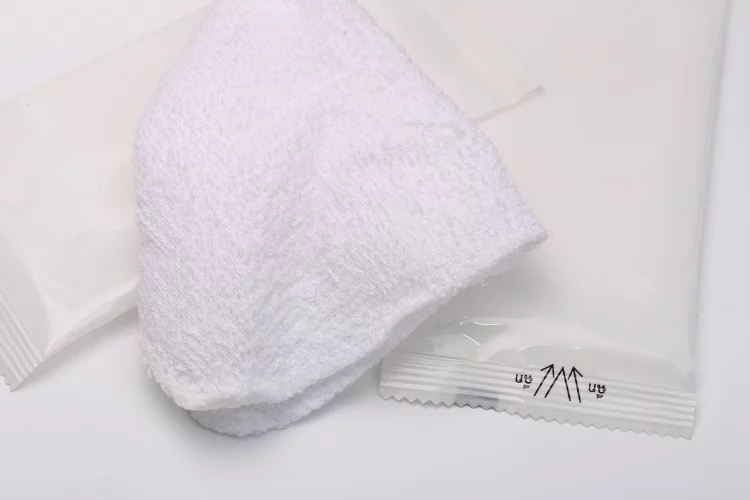
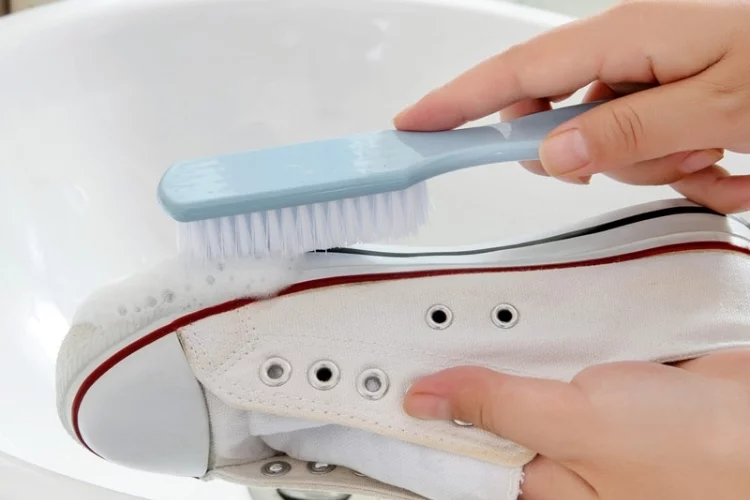
Soap and Water: The Classic Method
This works for general surface dirt and light staining. Use it before reaching for anything more aggressive.
What you need:
- A soft-bristled brush (an old toothbrush works well for tight areas)
- A bowl of lukewarm water
- A few drops of mild dish soap or castile soap
- A clean microfiber cloth
Step-by-step:
- Remove the laces and set them aside to clean separately
- Dry-brush the entire boot to remove loose surface dirt before introducing any moisture
- Mix a small amount of soap into lukewarm water — you want light suds, not heavy foam
- Dip the brush into the soapy water and gently scrub the upper in small circular motions
- Work one section at a time; don't saturate the leather
- Wipe clean with a damp cloth, then follow with a dry cloth immediately
- Air dry completely before wearing or applying any conditioner or waterproofing spray
Baby Wipes and Sandpaper for Surface Dirt
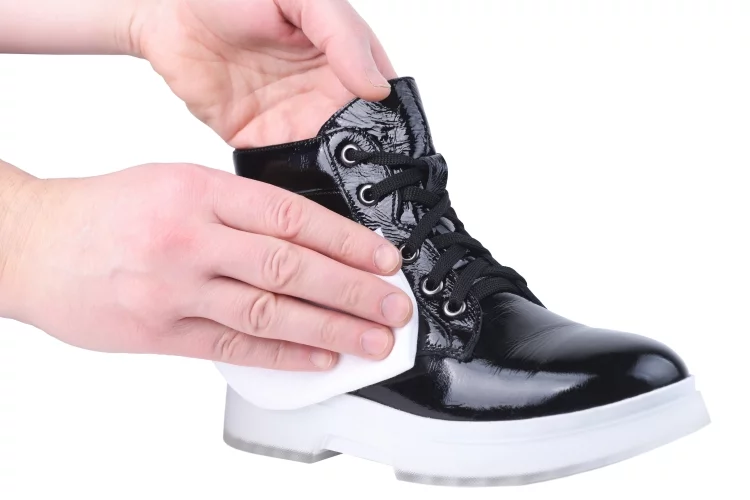
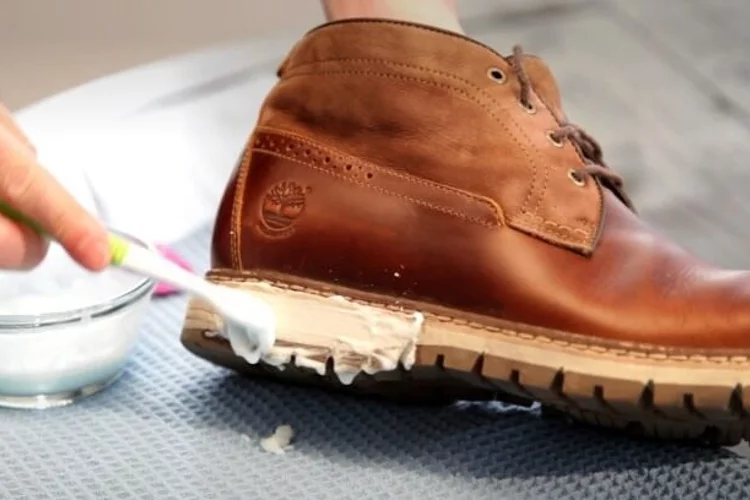
Baby wipes are the fastest fix for light surface grime between deep cleaning sessions. They're gentle enough for nubuck and lift surface-level dirt without saturating the leather.
- Use unscented, alcohol-free baby wipes only — anything with fragrance or alcohol dries and discolors the material
- Wipe in one direction to avoid pushing dirt deeper into the nap
- Follow immediately with a dry cloth to absorb any remaining moisture
For scuff marks and areas where the nap has been flattened, fine-grit sandpaper (220 grit) can restore the texture. Rub very lightly in one direction to lift the compressed fibers. Don't use this on actively stained areas — it spreads the stain further rather than lifting it.
Pro tip: After using sandpaper to revive the nap, finish with a suede brush to even out the texture — this restores the uniform, velvety appearance that makes Timberlands look sharp and well-maintained.
Baking Soda for Oil and Grease Stains
Oil and grease don't respond to water-based cleaning. You need an absorbent agent to pull the oil out of the leather fibers before it sets permanently.
- Sprinkle a generous amount of baking soda directly onto the stain
- Press it gently into the surface with a dry cloth — don't rub or grind it in
- Leave it on for a minimum of four hours; overnight is better for heavier stains
- Brush off the baking soda with a soft-bristled brush using light, sweeping strokes
- Repeat the process if the stain is still visible after the first application
Cornstarch is a reliable alternative to baking soda and performs just as well. Both are completely safe for nubuck and suede and won't affect the surface texture or waterproofing.
White Vinegar for Salt Stains and Watermarks
Salt stains from winter roads and outdoor worksites are among the most damaging marks on Timberland nubuck. White vinegar neutralizes the salt deposits and lifts them from the leather fibers without harsh chemicals.
- Mix equal parts white vinegar and cold water in a small bowl
- Dampen a clean cloth with the solution — wring it out so it's barely moist, not wet
- Dab (don't rub) the stained area with controlled, gentle pressure
- Work from the outside edge of the stain toward the center to avoid spreading it
- Wipe the area with a clean damp cloth to remove any vinegar residue
- Air dry completely before assessing — the stain may look worse when wet, better when dry
For deep salt penetration, expect two or three applications. Let the boots dry fully between sessions — rushing this step spreads the stain rather than lifting it.
Cleaning Myths That Are Ruining Your Timberlands
There's a lot of bad advice circulating about how to clean Timberland boots. Here are the most damaging myths and exactly why you should ignore them:
| Myth | Why It's Wrong | What to Do Instead |
|---|---|---|
| "Just throw them in the washing machine" | Machine washing destroys the adhesive in the welt and warps the midsole permanently | Hand clean using the soap and water method described above |
| "Use a hairdryer to speed up drying" | Direct heat shrinks and cracks nubuck leather — the damage is irreversible | Air dry at room temperature; stuff with newspaper to absorb moisture from inside |
| "Waterproofing spray makes cleaning unnecessary" | Dirt still embeds deep in the nap even with a spray coating applied | Clean the boot first, then apply waterproofing spray after the leather is fully dry |
| "Bleach removes tough stains on boots" | Bleach destroys leather fibers and causes irreversible discoloration — nubuck turns orange or white | Use white vinegar for stubborn stains — it's acidic enough to lift most marks safely |
| "Smooth leather conditioner works on nubuck" | Heavy wax-based conditioners clog the porous surface and flatten the nap permanently | Use products formulated specifically for nubuck or suede materials only |
For a broader look at what household products are genuinely safe on leather footwear, our guide on how to clean leather boots with household items covers the full list with practical instructions.
Cost Breakdown: Home Remedies vs. Professional Cleaning
One of the strongest arguments for home remedies is the price. Professional boot cleaning services charge a significant premium — and for nubuck specifically, the costs climb fast. Here's an honest comparison:
| Method | Estimated Cost | Frequency Needed | Time Required |
|---|---|---|---|
| Dry brushing (soft bristle brush) | $3–$8 one-time | After every wear | 2–3 minutes |
| Soap and water | $0–$2 per session | Monthly | 15–20 minutes |
| Baking soda treatment | Under $1 per session | As needed for oil/grease | 5 min active, 4–8 hrs passive |
| White vinegar treatment | Under $1 per session | Seasonal or after salt exposure | 10–15 minutes |
| Baby wipes (quick clean) | $3–$6 per pack | Weekly touch-up | 2–5 minutes |
| Commercial nubuck cleaning kit | $15–$35 per kit | Monthly | 15–25 minutes |
| Professional boot cleaning service | $25–$75 per session | Quarterly at best | Drop-off and pick-up turnaround |
The math is straightforward: a full year of home remedy cleaning costs most owners under $20 total. A single professional cleaning session costs more than that. The trade-off is your time — but with the methods above, none of these sessions takes more than twenty minutes of active effort.
Home Remedies vs. Commercial Cleaners: Honest Trade-Offs
Home remedies handle routine maintenance and the most common stains effectively. But they're not the right tool for every situation. Here's an honest breakdown of where each approach wins:
Advantages of home remedies:
- Cost next to nothing — most items are already in your kitchen or bathroom
- Gentle enough for nubuck when applied correctly and in the right sequence
- No harsh chemicals that degrade the leather fibers or break down waterproofing treatments
- Immediately accessible — no waiting for a delivery or a store trip
- Effective on the most common stains: surface dirt, road salt, cooking oil, and watermarks
Where home remedies fall short:
- Deep-set ink stains or dye transfer typically need a dedicated nubuck eraser block
- Mold and mildew require a proper antifungal cleaner — vinegar alone won't eliminate spores reliably
- Color fading from UV exposure needs a nubuck color restorer product to repair
- Heavy industrial oil contamination from machining or mechanical work may require a commercial degreaser
When to reach for a commercial cleaner:
- A stain has failed to respond to two or more home remedy applications
- You're dealing with visible mold growth or a persistent mildew smell
- The leather has faded significantly and you want to restore the original color
Commercial nubuck cleaning kits from Timberland, Crep Protect, or Saphir are worth keeping on hand for these edge cases. But for the vast majority of everyday cleaning challenges, your kitchen cabinet already has everything you need to keep your Timberlands looking their best.
Frequently Asked Questions
Can you use water to clean Timberland boots?
Yes, but use it carefully. Lukewarm water mixed with a small amount of mild dish soap is one of the most effective home remedies for cleaning Timberland nubuck. The critical rule is to avoid saturating the leather — use a damp brush or cloth, not a soaking wet one. Always air dry after cleaning, and never use a hairdryer or heater to speed up the process, as direct heat causes permanent cracking and shrinkage.
How do you remove salt stains from Timberland boots?
White vinegar is the most effective home remedy for salt stains. Mix equal parts white vinegar and cold water, dampen a cloth with the solution, and dab — don't rub — the stained area. Work from the outside edge of the stain inward to prevent spreading. Let the boot dry fully between applications. Heavily saturated salt stains may need two or three sessions before the tide marks fully lift.
How often should you clean Timberland boots?
A quick dry-brush after every wear is the ideal baseline. For a full soap-and-water deep clean, monthly works well for regular use. If you wear your Timberlands on construction sites, outdoor job sites, or in wet winter conditions, bump that to every two to four weeks. Apply salt stain treatment any time you notice white tide marks forming — the sooner you treat them, the easier they are to remove.
Key Takeaways
- Timberland nubuck is porous and sensitive — standard leather cleaners will damage it, so always use gentle, nubuck-appropriate methods like soap and water, baking soda, or white vinegar.
- A dry-brush routine after every wear prevents dirt from setting in and reduces how often you need a full deep clean, dramatically extending boot life.
- The most effective home remedies cost under $20 annually and handle the vast majority of everyday stains — surface dirt, road salt, oil, and watermarks — without specialty products.
- Avoid machine washing, direct heat, bleach, and smooth leather conditioners — these are the most common mistakes that turn a repairable boot into a replacement purchase.


About Jason Flores
Jason Flores is a multi-talented individual whose unique journey has led him to blend his passion for craftsmanship and fashion into a creative endeavor. During his formative years, he found himself immersed in the world of handiwork, spending countless hours in his grandfather's workshop. These early experiences allowed him to develop a deep understanding of practical skills and a keen eye for detail.Simultaneously, Jason harbored an innate love for fashion, drawn to the artistry and self-expression it offers. As he grew older, he recognized the potential to combine his proficiency in craftsmanship with his fashion sensibilities. This realization led him to a path where he began to explore and write about the intersection of fieldwork fashion.
Get FREE Boots Gifts now. Or latest free toolsets from our best collections.
Disable Ad block to get all the secrets. Once done, hit any button below