Have you ever looked down at a pair of scuffed, mud-caked work boots after a long shift and wondered if there's any way to bring them back without spending money on specialty cleaners? There is. You can clean leather boots with household items you already own — dish soap, white vinegar, olive oil — and get results that hold up under real working conditions. This guide walks you through exactly how to do it. For a broader look at keeping your footwear in top shape, our boot care section covers everything from polishing to waterproofing.
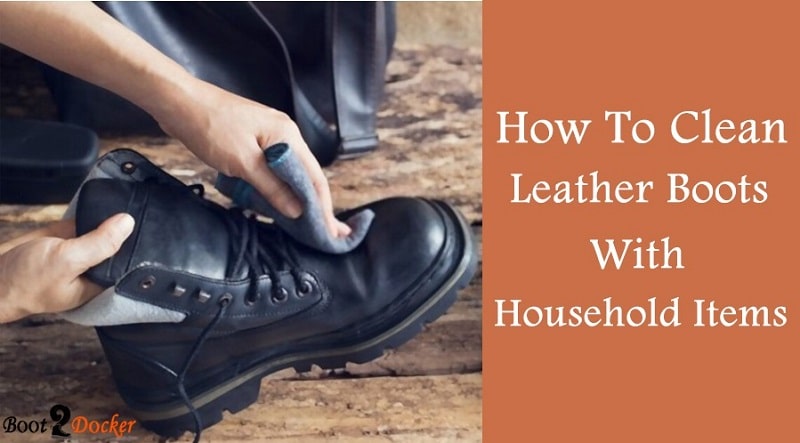
Leather is a natural material, and like skin, it needs regular care to stay healthy. Dirt, salt, and grime don't just sit on the surface — they work their way into the fibers and slowly break the leather down from the inside out. The good news is that most damage happens gradually, which means consistent cleaning goes a long way toward keeping your boots durable and comfortable for years.
You don't need a cabinet full of products to make this happen. Most of what you need is already in your kitchen or bathroom. Once you understand what each household item does and how to use it safely, cleaning leather becomes a straightforward routine rather than a guessing game.
Contents
- Why Leather Boots Need Regular Cleaning
- The Golden Rules Before You Start
- Step-by-Step: How to Clean Leather Boots With Household Items
- The Right Household Item for the Right Job
- Pro Tips for Stubborn Stains and Scuffs
- How to Care for Your Boots After Cleaning
- Building a Long-Term Boot Care Routine
- Frequently Asked Questions
- Final Thoughts
Why Leather Boots Need Regular Cleaning
What Happens When Leather Gets Dirty
Leather is made from animal hide that has been tanned and treated to become durable and flexible. According to Wikipedia's overview of leather, the tanning process stabilizes the hide's proteins and resists decay — but that resistance is not permanent. Dirt and moisture work against the tanning, causing the leather to dry out, stiffen, and eventually crack. When you see a pair of boots with deep surface fractures and flaking edges, that's almost always the result of long-term neglect rather than heavy use.
How Dirt Shortens Boot Life
Every day on a job site, your boots pick up a mixture of mud, oils, fine grit, and winter road salt. Left in place, that debris traps moisture against the leather surface and blocks the material's natural breathability. Over weeks and months, it causes the leather to harden and lose flexibility. Cleaning regularly doesn't just keep your boots presentable — it actively extends their working life. When a quality pair of work boots represents a real investment, that distinction matters.
The Golden Rules Before You Start
Always Test on a Hidden Spot First
Not all leather is the same. Full-grain, nubuck, suede, and patent leather each respond differently to cleaning agents. Before you apply anything — even something as mild as dish soap — dab a small amount onto a hidden area like the back of the heel or an inner edge near the tongue. Wait sixty seconds and check for discoloration or texture changes. This simple test takes less than a minute and can protect a pair of boots that may have cost you well over a hundred dollars. It's a small habit worth building into every cleaning session.
Pro tip: Always use gentle circular motions with a soft cloth rather than scrubbing back and forth — aggressive rubbing can lift the grain and leave dull patches on smooth leather.
What to Avoid
Some household products that seem logical are actually damaging to leather. Bleach strips color and dries out the material almost immediately. Acetone, found in nail polish remover, dissolves the surface finish. Heavily scented soaps with dyes can stain light-colored leather. Even applying too much water at once can cause leather to warp as it dries unevenly. Stick to mild clear dish soap, diluted white vinegar, or natural oils, and you'll stay on safe ground. If you're also dealing with persistent odors after a clean, this guide on how to remove odor from leather shoes covers targeted solutions worth reading alongside this one.
Step-by-Step: How to Clean Leather Boots With Household Items
What You'll Need From Around the House
You won't need to buy anything before you start. Gather a soft cloth or an old cotton t-shirt, a soft-bristle brush (an old toothbrush works well for seams and welt edges), mild dish soap, white vinegar, warm water, and either olive oil or coconut oil for conditioning at the end. Those five items cover everything from everyday surface dirt to light staining to post-clean moisture restoration.
The Cleaning Process
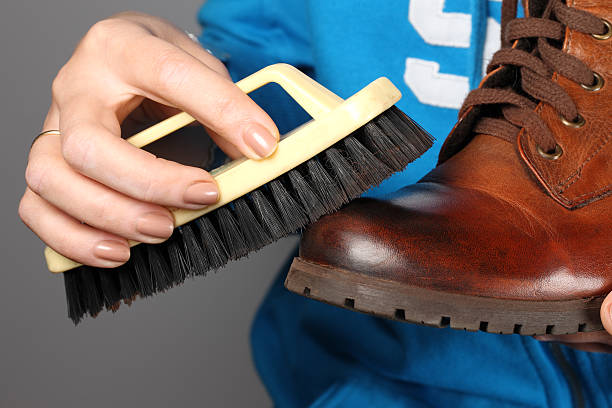
Start by removing the laces and knocking the soles together over a trash bin to shake loose any dried mud. Use your soft brush to sweep dirt from the welt (the strip where the upper meets the sole), the lace eyelets, and any seams. Removing dry debris before adding moisture prevents you from grinding grit further into the leather grain.
Mix a few drops of mild dish soap into a cup of warm water. Dampen your cloth in the solution — damp, not dripping — and wipe the leather in gentle circular motions. Work in small sections and turn or refresh the cloth regularly so you aren't spreading dirt back onto clean areas. Once you've covered the boot, follow up with a second cloth dampened with plain water to remove all soap residue.
For deeper cleaning or light salt staining, switch to a solution of equal parts white vinegar and water applied the same way. Vinegar's mild acidity breaks down salt deposits and surface buildup without harming the leather when diluted. Let the boots air dry completely at room temperature before moving on to conditioning. For an expanded look at technique and additional product options, the guide on how to clean leather boots goes deeper on specific scenarios and leather types.
The Right Household Item for the Right Job
For Everyday Dirt and Scuffs
A boot that picked up dust on a dry site needs a lighter touch than one that spent the day in wet mud or near chemical spills. Matching the right household item to the type of mess you're dealing with makes each cleaning session faster and more effective. For routine grime after a normal shift, the dish soap and water method is almost always enough. It's gentle, rinsable, and won't alter the leather's finish with repeated use.
For Tougher Stains
When everyday soap isn't cutting through what you're dealing with, knowing your options is half the battle. Here's a quick-reference breakdown of common household items and what each one handles best:
| Household Item | Best For | How to Apply | Caution |
|---|---|---|---|
| Mild dish soap + water | Everyday mud, dust, general grime | Damp cloth, gentle circular motions | Do not over-saturate leather |
| White vinegar (diluted 1:1) | Salt stains, light odors, surface buildup | Apply on cloth, wipe in outward strokes | Avoid on suede or nubuck |
| Olive oil or coconut oil | Conditioning and restoring suppleness post-clean | Thin layer on cloth, rub in, buff excess | Can darken light-colored leather |
| Baking soda | Absorbing fresh oil stains, deodorizing | Sprinkle on stain, wait 30 min, brush off | Do not scrub into leather grain |
| Old soft-bristle toothbrush | Seams, welt edges, lace eyelets | Dip in soapy water, gentle scrub in seam lines | Soft bristles only — never stiff |
Pro Tips for Stubborn Stains and Scuffs
Salt Stains
White salt rings are one of the most common problems for people who wear work boots through winter or in coastal environments. Salt draws moisture out of leather as it dries, leaving behind a chalky line that can harden the surrounding material if left untreated. Your best tool is the diluted white vinegar solution. Apply it directly to the salt line with a soft cloth and use gentle outward strokes — working away from the stain rather than into the center. You may need two or three passes to fully lift the residue. Treat salt stains as soon as you notice them rather than waiting until the end of the week when they've had time to set.
Warning: Never scrub salt stains aggressively — this can grind the crystals deeper into the leather fiber and cause permanent discoloration that no household remedy will fix.
Oil and Grease Marks
If you work around machinery or in food-service environments, oil marks on your boots are unavoidable. For fresh stains, sprinkle baking soda directly onto the mark and let it sit undisturbed for at least thirty minutes. The baking soda absorbs surface oil before it has time to set into the leather. After the wait, brush it away gently with a dry soft brush and follow up with your standard dish soap clean. For older set-in grease, the same process works but may take a second application. If the stain still won't lift after two rounds, a dedicated leather degreaser is the more practical solution at that point.
How to Care for Your Boots After Cleaning
Conditioning After Every Clean
Cleaning removes dirt, but it also pulls out some of the natural oils that keep leather soft and flexible. Skipping the conditioning step is one of the most common mistakes people make, and it leads directly to dry, brittle leather over time. A small amount of olive oil or coconut oil applied with a soft cloth works as a solid basic conditioner. Rub it in using circular motions in thin layers and let it absorb for at least fifteen minutes before buffing away any excess. The leather should feel noticeably softer and look slightly richer without any greasy residue remaining on the surface.
Drying and Storage
After cleaning and conditioning, let your boots dry naturally at room temperature. Never place them near a heater, radiator, or in direct sunlight — rapid heat draws moisture out of leather too quickly and causes stiffening and cracking along flex points. Stuffing the boots with newspaper while they dry absorbs internal moisture and helps them hold their shape. When storing boots for an extended period, apply a light coat of conditioner beforehand to prevent the leather from drying out while they're sitting idle. A cool, dry location away from humidity is the right storage environment for any leather footwear.
Building a Long-Term Boot Care Routine
How Often Should You Clean
The right frequency depends on how often you wear your boots and what conditions you're working in. For boots worn daily on active job sites, a quick surface wipe after each shift and a thorough clean every one to two weeks is a reasonable baseline. For occasional wear, cleaning before extended storage and after heavy mud or salt exposure is usually enough. The goal isn't perfection — it's consistency. A light clean done regularly does far more for the leather than a deep clean done once every few months. Small habits build up over time, and so does neglect.
When to Bring in Professional Products
Household items cover the basics well, but purpose-built products have clear advantages in specific situations. Heavy-duty waterproofing treatments require specialty formulas that olive oil simply cannot replicate. If your boots see regular exposure to harsh chemicals, standing water, or extreme abrasion, a dedicated leather conditioner or protective wax will outlast any kitchen-cabinet solution. When you're ready to add that layer to your routine, understanding the difference between your options matters — our breakdown of boot oil vs. mink oil explains exactly when each one makes sense for your leather type and working conditions.
Frequently Asked Questions
Can I use dish soap to clean leather boots?
Yes. Mild dish soap diluted in warm water is one of the safest and most effective household cleaners for leather. Use a damp cloth rather than soaking the boot, and always wipe off residue with a clean damp cloth afterward. Avoid soaps with heavy fragrances, dyes, or antibacterial additives, which can be harsher on leather finishes with repeated use.
Does white vinegar damage leather boots?
When diluted to equal parts vinegar and water, white vinegar is safe for most smooth leather and works particularly well on salt stains. Undiluted vinegar is acidic enough to affect leather finishes, so always dilute before applying. Avoid using vinegar on suede or nubuck, as it can permanently alter the texture of those materials.
Is olive oil good for leather boots?
Olive oil works reasonably well as a basic leather conditioner after cleaning, restoring moisture and flexibility. The main drawback is that it can slightly darken lighter-colored leather. Apply a small amount, let it absorb for fifteen minutes, and buff away any excess. It's a practical short-term option between dedicated conditioning treatments.
How do I remove salt stains from leather work boots?
Mix equal parts white vinegar and water and apply the solution to the stain with a soft cloth, using gentle outward strokes. Repeat two or three times if needed. Let the boots air dry naturally, then apply a light conditioner to the treated area to restore moisture that the vinegar may have drawn out during the process.
How often should I clean my leather work boots?
For boots worn daily in demanding environments, a quick surface wipe after each use and a thorough cleaning every one to two weeks is a solid starting point. Boots worn less frequently should be cleaned before extended storage and after any heavy exposure to mud, moisture, or salt. Consistent light cleaning outperforms infrequent deep cleans when it comes to leather longevity.
Can I use baking soda on leather boots?
Baking soda is useful for absorbing fresh oil and grease stains — sprinkle it on the affected area, let it sit for thirty minutes, then brush it away gently. It also helps neutralize odors inside the boot. Avoid scrubbing it into the leather grain, and don't leave it on longer than necessary, as extended contact can dry out the leather surface.
What is the best way to dry leather boots after cleaning?
Air dry your boots at room temperature, away from direct heat sources like radiators, heaters, or sunlight. Stuff them with newspaper to absorb internal moisture and help them maintain their shape while drying. Once fully dry, apply a light conditioner before storing or wearing them again to replace any moisture lost during the cleaning process.
Final Thoughts
Cleaning leather boots with household items is one of the most practical habits you can build as someone who depends on their footwear every day. The dish soap, vinegar, and oil already sitting in your home are genuinely effective — you just need to use them consistently and in the right order. Start with the step-by-step process in this guide, make conditioning a non-negotiable follow-up after every clean, and you'll extend the life of your boots significantly. Head over to our boot care section to keep building on that foundation with guides on polishing, waterproofing, and everything else your leather boots need to perform at their best.


About Jason Flores
Jason Flores is a multi-talented individual whose unique journey has led him to blend his passion for craftsmanship and fashion into a creative endeavor. During his formative years, he found himself immersed in the world of handiwork, spending countless hours in his grandfather's workshop. These early experiences allowed him to develop a deep understanding of practical skills and a keen eye for detail.Simultaneously, Jason harbored an innate love for fashion, drawn to the artistry and self-expression it offers. As he grew older, he recognized the potential to combine his proficiency in craftsmanship with his fashion sensibilities. This realization led him to a path where he began to explore and write about the intersection of fieldwork fashion.
Get FREE Boots Gifts now. Or latest free toolsets from our best collections.
Disable Ad block to get all the secrets. Once done, hit any button below