Ever looked down at your leather work boots after a long week and wondered whether you're maintaining them right — or letting them fall apart without even realizing it? Knowing how often to polish shoes is one of those questions with a real, specific answer, not a vague "it depends." Here's the short version: most leather work shoes need a full polish every two to four weeks, with adjustments based on how hard you work them. Explore the full collection of maintenance guides on our boot care resource hub to keep every pair performing at its best.
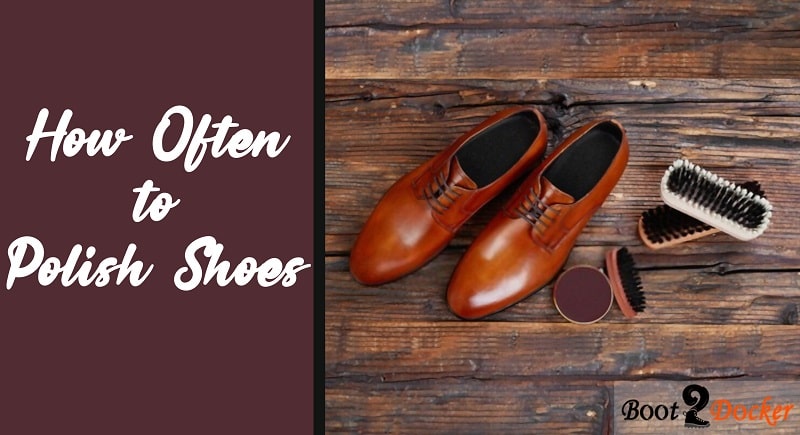
Polish does a lot more than improve appearances. It forms a protective layer against moisture, abrasion, and the daily punishment that work environments dish out. Skip too many sessions and the leather dries out, cracks at flex points, and loses structural integrity — often before you'd expect it to. That's not a cosmetic problem; it's a safety and budget problem.
Whether you're on a job site five days a week or rotating between desk work and fieldwork, a consistent polish routine extends the life of boots that cost serious money. This guide gives you a clear, practical schedule backed by the specifics of how leather actually responds to use and care.
Contents
- How Often to Polish Shoes: Setting the Right Schedule
- Polish Schedules Across Different Trades
- Common Mistakes That Shorten Your Leather's Life
- Pro Tips for a Better Shine Every Time
- Quick Wins Between Full Polish Sessions
- What Shoe Care Really Costs: Budget Breakdown
- Frequently Asked Questions
- Key Takeaways
How Often to Polish Shoes: Setting the Right Schedule
The Baseline Frequency
If you wear leather work shoes five days a week in mixed conditions, a full polish every two to four weeks is your baseline. That's the standard starting point. Adjust from there based on your specific situation:
- Light use (office-based, occasional site visits): once a month is sufficient
- Moderate use (daily wear, standard work environments): every two to three weeks
- Heavy use (outdoor trades, wet or dusty conditions): every one to two weeks
Think of polish as moisturizer for leather. It feeds the surface with conditioners and waxes that prevent dryness and cracking. According to Wikipedia's overview of shoe polish, traditional wax-based polishes create a protective film that repels water and resists abrasion — making regular application a functional necessity, not just a cosmetic choice.
The most reliable indicator isn't the calendar — it's the visual test. If the leather looks dull, feels dry to the touch, or water no longer beads on the surface, it's time to polish regardless of when you last did it.
Factors That Shift Your Timeline
Several variables affect how quickly your polish breaks down. Check these against your situation:
- Leather type — Full-grain leather holds polish longer than corrected-grain. Never wax suede or nubuck.
- Work environment — Exposure to concrete dust, chemicals, mud, or standing water accelerates leather degradation faster than almost anything else
- Climate — Dry climates pull moisture from leather faster; humid environments risk mold if you polish without conditioning first
- Shoe color — Black hides wear longer. Brown and tan shades show dullness faster and may need attention sooner.
- Storage conditions — Boots stored without cedar shoe trees, in hot vehicles, or near heat sources dry out between sessions
Polish Schedules Across Different Trades
Heavy-Duty Environments
Construction workers, electricians, welders, and outdoor tradespeople deal with conditions that strip leather protection fast. Concrete dust is particularly aggressive — it's alkaline and actively pulls moisture out of the leather surface. If this is your daily environment, polish every seven to ten days.
Here's what a realistic heavy-duty maintenance week looks like in practice:
- Sunday evening: full clean, condition, and wax polish
- Wednesday: quick brush-down, water-repellent spray if the week has been wet
- Friday: wipe down with a damp cloth, let dry overnight before storing
Leather quality matters here too. Higher-grade full-grain leather responds better to conditioning and holds polish longer than lower-grade alternatives — meaning a better boot actually reduces how often you need to intervene.
Office and Hybrid Workers
If you're in a business-casual setting or only make site visits a few days a week, a monthly polish keeps leather looking sharp. Dress shoes in office environments accumulate less surface grime, but they still lose moisture from indoor heating and air conditioning cycling throughout the day.
For office-heavy wear, the main threat isn't mud — it's dryness. Prioritize a conditioner application every three weeks, followed by a thin wax polish coat. You don't need a heavy-duty routine for light-use footwear.
If your shoes are worn fewer than three days a week, a monthly polish session with a conditioning step is all the maintenance you need to keep the leather supple and crack-free.
Common Mistakes That Shorten Your Leather's Life
Over-Polishing
More polish is not more protection. Applying wax too frequently builds up a thick, rigid crust that cracks at flex points and traps dirt beneath the surface. Signs you're over-polishing:
- Leather looks cloudy or chalky after buffing, not glossy
- Polish no longer absorbs — it sits on top in uneven patches
- The leather feels stiff rather than supple and flexible
- Surface starts cracking in a grid-like pattern
If you're at this point, strip the buildup with a leather cleaner or saddle soap before starting fresh. Applying more polish on top of existing buildup locks in the problem instead of solving it.
Under-Polishing
Neglecting your boots is the most expensive mistake you can make. Leather that goes unpolished for extended periods dries out, develops surface cracks, and eventually splits at flex points — usually at the toe box or along the vamp. Once leather cracks deeply, conditioning can slow the damage but not reverse it.
Warning signs you've waited too long:
- Visible hairline cracks on the surface, even fine ones
- Leather feels rough and paper-dry to the touch
- Color has faded unevenly, especially at high-stress points
- Water soaks in immediately rather than beading on the surface
Using the Wrong Products
Not all leather care products work the same way, and using the wrong one causes real damage. Common product mistakes include:
- Using standard wax polish on oil-tanned leather — it doesn't absorb properly and creates surface buildup
- Applying mink oil to light-colored leather — it darkens permanently and unevenly
- Using silicone-based sprays as a substitute for wax polish — they coat but don't condition or protect long-term
- Skipping a dedicated conditioner and expecting polish alone to nourish dry leather
Read our detailed breakdown of boot oil vs. mink oil to understand which conditioning agent actually suits your leather type before you add it to your rotation.
| Product Type | Best For | Avoid On | Recommended Frequency |
|---|---|---|---|
| Wax Polish | Smooth full-grain leather | Suede, nubuck, oil-tanned leather | Every 2–4 weeks |
| Cream Polish | Dress shoes, fine smooth leather | Rough-out, synthetic uppers | Every 2–3 weeks |
| Leather Conditioner | All smooth leather types | Suede (use suede spray instead) | Every 3–4 weeks |
| Mink Oil | Dark, oil-tanned work boots | Light-colored or dress leather | Monthly or as needed |
| Waterproofing Spray | All leather, suede, nubuck | Heavily waxed surfaces without stripping first | Every 2–4 weeks in wet conditions |
Pro Tips for a Better Shine Every Time
Prep Work Is Non-Negotiable
A great polish job starts before you open the tin. Skipping prep is the fastest way to trap dirt under wax and end up with a patchy, uneven finish that wears off faster than it should. Here's the correct prep sequence:
- Remove laces — they pick up polish residue and get in the way of thorough coverage
- Brush off loose dirt — use a stiff-bristle brush, working in short circular strokes across the full surface
- Clean with saddle soap or leather cleaner — this removes old polish residue, embedded oils, and grime that regular brushing misses
- Let the leather dry completely — polish applied to damp leather seals in moisture and prevents proper adhesion
- Apply conditioner if needed — especially if leather looks dull or feels stiff before you start
This prep sequence takes ten minutes. Skipping it costs you hours of wasted product and shortened boot life.
Application Technique Breakdown
The application itself is straightforward, but small technique differences separate a durable finish from one that wears off in three days:
- Use a small dauber brush or your fingertip to apply polish in thin, even layers
- Work one section at a time — toe box, sides, then heel — rather than all at once
- Let the first coat dry for five minutes before applying a second thin coat
- Buff vigorously with a horsehair brush using back-and-forth strokes to generate heat and bond the wax
- Finish with a soft cotton cloth — an old t-shirt works perfectly — for the final surface shine
Two thin coats always outperform one thick coat. Thick coats crack at flex points. Thin coats flex with the leather. Temperature matters too — polish applies best at room temperature. Cold polish is thick and streaky; if your tin has been sitting in a cold truck, warm it between your palms before opening.
Quick Wins Between Full Polish Sessions
Daily Habits That Add Up
You don't need a full polish session every day. Small, consistent habits between sessions do most of the ongoing protective work. These take under two minutes and make a measurable difference:
- Wipe boots down after every shift — a dry cloth removes surface dust and salt before it settles into the leather grain
- Use cedar shoe trees when storing — they absorb moisture from inside the boot and hold the shoe's shape under the toe box
- Rotate pairs when you can — giving leather 24 hours to breathe between wears significantly extends the life of every pair
- Keep boots away from heat sources — radiators, hot cars, and direct sunlight crack leather faster than almost any other environmental factor
- Reapply waterproofing spray after polishing — adds a secondary moisture barrier without adding bulk or shine
Spot Treatment Between Sessions
Scuffs and light surface marks happen. You don't need a full polish session to address them. Here's how to handle the most common between-session issues quickly:
- Fresh scuff: rub gently with a clean fingertip to warm the existing wax and blend the mark. Buff with a cloth.
- Dried mud or concrete dust: let it dry completely first, then brush off with a stiff brush — never wipe wet mud, it drives it deeper into the grain
- Water stain ring: dampen the entire leather surface evenly with a clean damp cloth, let it dry naturally, then condition — this prevents the tide mark from setting permanently
- Minor color loss at stress points: apply a matching cream polish directly to the affected area and blend outward with a cloth
If your boots are dealing with persistent moisture exposure, spot treatment will only take you so far. Check out our guide on the best waterproof boots for men — sometimes the right boot construction reduces how often you need to intervene in the first place.
What Shoe Care Really Costs: Budget Breakdown
Building Your Starter Kit
You don't need an elaborate setup to maintain leather properly. A complete starter kit covers everything you need for under $50:
- Horsehair brush: $8–$15
- Leather conditioner or saddle soap: $8–$12
- Wax polish in your color: $5–$10 per tin
- Dauber brush or applicator pad: $4–$8
- Cotton buffing cloth: $3–$6 (or use an old t-shirt — works equally well)
Total startup cost: roughly $28–$51 depending on brand. Mid-range products like Kiwi Professional hit the right balance for most tradespeople. Premium options like Saphir Médaille d'Or deliver better results for dress leather, but for work boots that take daily punishment, mid-range products are the smarter spend — you'll go through product regularly.
One tin of wax polish covers approximately 20 to 30 polish sessions. At $8 per tin, that's less than $0.40 per session. The economics are hard to argue with.
The Long-Term Value Calculation
Here's the real math. A quality pair of leather work boots costs $150 to $400. A $40 care kit, used consistently, can double the functional life of those boots. That makes the care kit one of the highest-return purchases in your entire work gear budget.
The cost of neglect is significantly higher:
- Cracked leather requiring cobbler repair: $60–$120, or full replacement
- Moisture damage and mold growth: often irreversible, requiring a full new pair
- Sole separation from dried and stiffened leather: $40–$80 for resoling
- Premature replacement of a $250 boot after 18 months instead of 4+ years
A consistent polish routine is cheap insurance on expensive footwear. Spend $40 once and a few minutes every couple of weeks, or spend $200–$400 earlier than you should have to. The choice is straightforward.
Frequently Asked Questions
How often to polish shoes for daily work use?
For leather work shoes worn daily in moderate conditions, polish every two to three weeks. In heavy-duty trade environments — construction, outdoor work, chemical exposure — aim for every one to two weeks. Use the visual test as your primary indicator: if the leather looks dull or water soaks in rather than beading, it's time regardless of your last session date.
Can you polish leather work boots too often?
Yes. Polishing more than once a week builds up a thick wax layer that cracks at flex points and traps dirt beneath the surface. Strip buildup with a leather cleaner every few sessions before applying fresh product. Two to four weeks between full polish sessions is the right cadence for most work boots.
Do you need to condition leather before polishing?
If the leather feels dry or stiff, condition first. Conditioner penetrates leather fibers and restores moisture; wax polish sits on the surface and provides protection. Conditioning before polishing gives the wax a healthy, flexible base to bond to. If the leather is already supple, you can move straight to polish.
What's the difference between shoe cream and shoe wax?
Shoe cream contains dyes and conditioners that penetrate the leather and nourish it from within. Shoe wax creates a hard protective surface layer and delivers gloss. For best results, apply cream first and let it absorb, then apply a thin wax coat on top for protection and shine. Using both gives you conditioning and durability in one routine.
Can you polish suede or nubuck work boots?
No. Standard shoe polish clogs suede and nubuck's open-fiber surface, permanently flattening the texture and altering the appearance in ways you can't undo. Use a dedicated suede brush for cleaning and a suede-specific protective spray for waterproofing. These leathers need care — just in an entirely different form than smooth leather.
How do you remove old wax buildup from leather boots?
Apply saddle soap or a dedicated leather cleaner with a damp cloth, scrubbing in circular motions across the affected surface. This breaks down accumulated wax layers and removes embedded dirt. Let the leather dry completely before applying fresh conditioner and polish. Stripping buildup every three to four sessions keeps the leather breathing properly and absorbing product the way it should.
Does polishing work boots affect safety features like steel toes?
No. Polish and conditioner only affect the leather upper. Steel, composite, and aluminum toe caps sit inside the boot and are completely unaffected by surface treatments. However, keep polish and conditioner away from the boot interior — some formulations can degrade internal foam or fabric linings over time with repeated contact.
Key Takeaways
- Polish leather work shoes every two to four weeks for moderate use, and every one to two weeks in heavy-duty or wet trade environments.
- Always clean and condition leather before applying polish — polish on dirty or dry leather traps damage instead of preventing it.
- Using the wrong product for your leather type does more harm than skipping a session entirely — match your product to your leather.
- A $40 shoe care kit used consistently is the most cost-effective investment you can make to protect a $150–$400 pair of work boots.


About James Miller
James Miller is a dedicated individual based in the vibrant city of San Francisco, CA, USA. His unwavering passion lies in the realm of construction, where he finds fulfillment in exploring and documenting various facets of construction equipment and processes. A graduate of the University of California Merced, James holds a dual degree in mechanical and electrical engineering, which has equipped him with a solid foundation in technical knowledge.With a keen eye for detail and a knack for articulation, James has channeled his enthusiasm into writing about the intricacies of construction gear and methodologies. His insightful writings offer valuable insights to both industry professionals and curious enthusiasts, shedding light on the machinery and techniques that shape the built environment.James Miller's educational background in mechanical and electrical engineering lends credibility to his work, allowing him to delve into the technical nuances of construction with precision. His passion for sharing knowledge and fostering understanding in the construction field is evident in his contributions, making him a respected voice in the industry.
Get FREE Boots Gifts now. Or latest free toolsets from our best collections.
Disable Ad block to get all the secrets. Once done, hit any button below