Ever stood in a work boot store holding a classic Timberland in one hand and a Timberland Pro in the other, genuinely unsure which one is worth your money? You're asking exactly the right question. The debate over timberland vs timberland pro boots comes down to one thing: what your job actually demands from your feet. Both lines carry the same iconic brand name, but they're engineered for different realities — and choosing the wrong one means either overpaying for features you'll never use, or underprotecting yourself in environments where certified footwear matters. Browse our full collection of work boot reviews to see where both lines fit in the broader market before you decide.
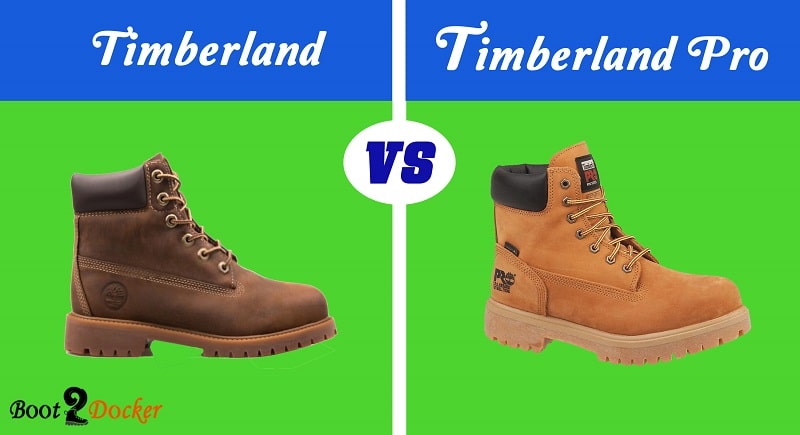
Standard Timberland boots — think the iconic 6-Inch Premium Waterproof — have been worn on job sites, hiking trails, and city streets for decades. They're rugged, water-resistant, and made from quality leather. Timberland Pro, on the other hand, is a completely separate line built specifically for tradespeople who need certified safety toes, all-day anti-fatigue support, and outsoles engineered to grip oily or wet surfaces. These differences aren't cosmetic. They affect how your feet feel after hour eight and whether your footwear actually meets your employer's safety requirements.
Here's a clear breakdown of what separates these two lines, which one makes sense for different jobs, and what to look for before you spend your money. Whether you're in construction, electrical, warehousing, or landscaping, this guide gives you a straight answer.
Contents
At a Glance: Timberland vs Timberland Pro Boots
Before getting into specifics, it helps to see both lines side by side. The table below captures the key differences so you can quickly figure out where your priorities land.
| Feature | Standard Timberland | Timberland Pro |
|---|---|---|
| Primary Use | General outdoor, light work, lifestyle | Heavy industrial, trade work, full-day job sites |
| Safety Toe Options | Limited; some steel toe models | Steel, composite, and alloy toe across most models |
| ASTM Safety Rating | Not standard | ASTM F2413 on most models |
| Electrical Hazard (EH) Rating | Rare | Standard on most Pro models |
| Anti-Fatigue Technology | Basic cushioning | Timberland Pro AT inverted-cone insole system |
| Slip Resistance | Moderate | High — oil-resistant and slip-resistant outsoles |
| Price Range | $120–$200 | $150–$260+ |
| Water Resistance | Yes, most models | Yes, most models |
Construction and Materials
Standard Timberland boots use full-grain waterproof leather with a padded collar and either a smooth or nubuck finish. The rubber outsoles offer solid grip on everyday terrain, but they're not specifically engineered for oil, chemicals, or the kind of heavy debris you find on active construction sites. The midsoles provide basic cushioning — comfortable for shorter wear, but often lacking the structured support that keeps your feet fresh across a long shift of standing or walking on hard surfaces.
Timberland Pro boots use similar quality leather uppers, but the internal construction is where things diverge significantly. The Pro line's anti-fatigue (AT) technology uses an inverted cone geometry in the footbed that compresses under your heel and forefoot, then returns energy with each step. Many Pro models also use fiberglass shanks instead of steel, which keeps weight down without sacrificing rigidity through the arch. The outsoles are purpose-engineered with slip-resistant compounds and tread patterns designed for specific hazards.
Safety Certifications and Ratings
This is the sharpest dividing line between the two. Most Timberland Pro models meet ASTM F2413, the standard governing impact resistance, compression resistance, and electrical hazard protection for occupational foot protection. The EH (electrical hazard) rating on Pro models protects against accidental contact with live circuits up to 600 volts under dry conditions. Standard Timberlands occasionally feature a safety toe on specific models, but ASTM certification and EH ratings are not a defining characteristic of the heritage line.
If your employer requires certified safety-toe footwear — and many job sites do — Timberland Pro is almost certainly what you need. If you're unsure whether a steel toe or composite toe is the right call for your hazard environment, our guide on steel toe vs composite toe work boots breaks down the practical tradeoffs in plain terms.
Pro tip: Always check the ASTM label on the boot's tongue before buying — a boot marketed as "work-ready" isn't the same as one that's actually certified for impact and compression resistance.
How to Choose the Right Boot for Your Work
Knowing the differences is useful. Knowing which one fits your specific situation is what actually saves you money and keeps your feet healthy. Here's a practical way to think through the decision.
Jobs That Call for Timberland Pro
If you work in construction, electrical, roofing, warehousing, manufacturing, or any environment where falling objects, slippery floors, or live electrical components are real hazards, Timberland Pro is the appropriate choice. The Pro line is designed around the physical reality of an eight-to-ten-hour shift on a demanding job site. Models like the Timberland Gridworks are purpose-built for heavy-duty site conditions — thick lugged outsoles, reinforced toe boxes, and full ASTM certification. For workers who move constantly and need certified protection without excess weight, the Timberland Powertrain offers a lighter profile while keeping all the essential safety features intact.
The anti-fatigue technology makes a measurable difference once you're past hour five or six. The energy return system in the footbed genuinely reduces the deep foot ache that sets in when you're standing on concrete all day. Combined with oil-resistant outsoles and EH ratings, you're getting a boot that was engineered for your environment rather than adapted to it.
When a Standard Timberland Gets the Job Done
Not every job calls for Pro-level specs, and there's no point paying for what you don't need. If you do light landscaping, work in a low-hazard shop environment, or need a tough boot for outdoor work that doesn't involve heavy machinery or electrical exposure, a standard Timberland holds up well and gives you more versatility between work and off-hours use. They're also the better pick if you want something that can move from a weekend hiking trail to a casual outdoor event without looking out of place.
Standard Timberlands also tend to break in a bit faster, particularly the 6-Inch Premium models, because the midsole doesn't have the same stiff shank construction found in many Pro boots. If out-of-box comfort matters more than certified protection, that's a real advantage worth factoring in.
Worth knowing: If your employer has a footwear requirement written into your safety policy, check it before you buy — wearing non-certified boots on a site that mandates ASTM-rated footwear can create liability issues for both you and your employer.
Getting More Life from Your Work Boots
Whether you go with standard Timberland or the Pro line, how you treat your boots after you buy them determines how long they last. Work boots are a real investment, and a little consistent maintenance goes a long way.
Breaking Them In the Right Way
Both lines require a break-in period, but the length varies. Standard Timberlands often soften noticeably within a week of regular wear. Timberland Pro boots — especially models with stiffer shanks and thicker outsoles — can take two to three weeks before they feel fully comfortable. Start with shorter shifts or wear them around the house before committing to a full workday. Don't try to speed up the process by soaking them in water; that approach can compromise the waterproof membrane lining.
If the toe box feels tight during the first few days, wear thicker wool socks to help the leather stretch to your foot shape. Discomfort during break-in is a signal worth paying attention to — it's not something you should just power through indefinitely. If a boot still hurts after two weeks of proper break-in, it's likely the wrong fit for your foot shape.
Caring for Leather and Outsoles
Clean your boots at least once a week if you're wearing them daily on a job site. Brush off dry dirt first, then wipe the leather with a damp cloth. Apply a quality leather conditioner every few weeks — particularly on the toe box and heel, where flexing is most intense. Avoid silicone-based sprays on full-grain leather, as they can seal the pores and reduce breathability without providing lasting protection.
For Timberland Pro boots, pay close attention to the outsoles. The slip-resistant tread can fill with debris — mud, sawdust, concrete dust — and gradually lose its grip if you don't clean it out regularly. When the lug pattern wears flat, replace the boots regardless of how good the leather still looks. A worn outsole on a certified work boot means you've lost the slip resistance that made it suitable for your environment. The Timberland Powerwelt Steel Toe is one Pro-adjacent model that tends to hold its outsole well under consistent maintenance — it's worth reading through for a sense of what long-term durability looks like in practice.
Setting the Record Straight on Timberland Pro
A handful of persistent myths float around both lines. Let's clear them up so your decision is based on facts rather than forum speculation.
Myth: Pro Boots Are Just a Marketing Upgrade
Some people assume the "Pro" label is just a premium price tag slapped on the same basic boot. That's not accurate. Timberland Pro models go through different engineering standards and third-party certification testing than standard models. The anti-fatigue insole geometry, EH protection, and ASTM-rated safety toes require specific materials and construction processes that simply aren't part of the heritage line's design brief. You're paying for real functional differences, not brand positioning.
That said, those differences are only worth the price if your job actually requires them. A painter doing residential touch-up work doesn't need EH-rated boots with a composite toe. A site electrician does. The boot itself is excellent — the question is whether it's excellent for your situation.
Myth: Standard Timberlands Aren't Built for Real Work
The opposite myth is equally off base. Standard Timberland boots were originally designed with outdoor laborers and trades workers in mind, and they've been worn on job sites for decades. The full-grain leather is genuinely durable, the waterproofing holds up under repeated exposure, and the construction is solid by any measure. They simply don't carry the same safety certifications as the Pro line. For jobs with lower hazard exposure, they remain a legitimate and well-proven work boot option.
If you're curious how Timberland's internal brand division compares to similar dynamics at other well-regarded boot makers, the breakdown of Thorogood vs Red Wing shows how brand heritage and professional-use lines often coexist — and diverge — across the industry.
Matching the Right Boot to Your Long-Term Needs
Buying the right boot today is only part of the equation. How you manage your footwear over time — and how you know when to move on — matters just as much to your feet and your budget.
Rotating Your Boots
If you wear the same pair every single day, you're compressing the midsole without giving it any recovery time. Rotating between two pairs extends the life of both significantly — some estimates put it at 30 to 40 percent longer per pair. This is especially true for Timberland Pro boots, where the AT midsole foam is specifically designed to rebound when not under load. Even alternating with a lighter shoe on lower-risk days keeps your primary boots fresher through the week.
For workers who need a second certified boot in the rotation, the Timberland Boondock Comp Toe is worth a look — it sits within the Pro line but offers a slightly lighter feel than the heavier steel-shank models, which makes it a practical second option for alternating daily use.
Knowing When to Replace
Most work boots hold up for twelve to eighteen months of daily heavy use with consistent care, sometimes longer. Watch for these signs: worn-down heel or toe tread that no longer grips, visible midsole compression where the boot no longer springs back after pressing down, leather cracking along the flex lines at the toe box or heel, or a safety toe that has taken a significant impact. A deformed or structurally compromised safety toe on a Timberland Pro model means immediate replacement — the boot is no longer performing its certified function, even if the upper looks mostly intact.
If your work takes you across different environments on different days — warehouse floors one day, outdoor site work the next — it's worth thinking through whether one boot type truly covers both situations or whether two dedicated pairs serve you better. Our breakdown of lace-up vs slip-on work boots can also help you think through what kind of entry system makes the most sense for how you move through your workday.
Frequently Asked Questions
Are Timberland Pro boots worth the extra cost over standard Timberland?
For most trade workers in construction, electrical, manufacturing, or warehousing, yes. The safety certifications, anti-fatigue technology, and slip-resistant outsoles are built for demanding environments and earn the price difference. If your job has a lower hazard profile, standard Timberlands offer comparable build quality at a lower cost — and may be the smarter buy.
Can I wear Timberland Pro boots for casual everyday use?
You can, but they're heavier and stiffer than standard Timberlands and built around function rather than style versatility. They hold up well in rugged outdoor settings, but for casual off-site wear, most people find the standard line more comfortable and easier to style across different situations.
Do standard Timberland boots meet OSHA foot protection requirements?
It depends on the specific model and what your job site requires. Most standard Timberland boots are not ASTM F2413 certified. If your employer or job site mandates certified safety-toe footwear, you'll need Timberland Pro or another line that carries that rating. Always look for the ASTM mark printed on the boot's tongue label before assuming any boot is compliant.
Final Thoughts
The timberland vs timberland pro boots question has a real answer — it just depends on your job, not on which line has a better reputation. Take an honest look at your work environment, your employer's safety requirements, and how many hours a day your feet need serious support. Then head to a store, try both on with the socks you'd actually wear on the job, and walk around for at least ten minutes before you commit. The right boot is the one that protects you properly and still feels good at the end of a long day.


About James Miller
James Miller is a dedicated individual based in the vibrant city of San Francisco, CA, USA. His unwavering passion lies in the realm of construction, where he finds fulfillment in exploring and documenting various facets of construction equipment and processes. A graduate of the University of California Merced, James holds a dual degree in mechanical and electrical engineering, which has equipped him with a solid foundation in technical knowledge.With a keen eye for detail and a knack for articulation, James has channeled his enthusiasm into writing about the intricacies of construction gear and methodologies. His insightful writings offer valuable insights to both industry professionals and curious enthusiasts, shedding light on the machinery and techniques that shape the built environment.James Miller's educational background in mechanical and electrical engineering lends credibility to his work, allowing him to delve into the technical nuances of construction with precision. His passion for sharing knowledge and fostering understanding in the construction field is evident in his contributions, making him a respected voice in the industry.
Get FREE Boots Gifts now. Or latest free toolsets from our best collections.
Disable Ad block to get all the secrets. Once done, hit any button below