Ever stood in front of your closet staring at your cowboy boots and wondering — which jeans actually look right with these things? You're not alone. Getting the fit wrong can make even premium boots look awkward. If you want one answer fast: the Wrangler 13MWZ Cowboy Cut Original Fit is the gold standard, and it's been that way for decades. But depending on your build and style, there are six other pairs worth serious consideration in 2026.

Cowboy boots have a distinct shaft height and toe shape that most standard jeans don't accommodate. You need a boot cut or straight leg with enough leg opening to slide over the shaft comfortably — without bunching up or looking sloppy. The wrong pair and you'll spend all day pulling fabric down. The right pair and you'll barely think about it. Browse our full boot and gear reviews if you want to compare more options, and check out our guide on how to wear work boots with jeans for general pairing principles that apply here too.
This list covers seven of the best jeans to wear with cowboy boots in 2026 — from classic ProRodeo-approved denim to slim retro cuts and raw denim for the purists. We've broken down fit, materials, and who each pair is actually built for. Whether you're riding, working, or just heading out for the weekend, there's a pick here for you.
Our Top Picks for 2026
- #PreviewProductRating
- Bestseller No. 1
 Rating:

- Bestseller No. 2
 Rating:
 - Bestseller No. 3
 Rating:
 - Bestseller No. 4
 Rating:
 - Bestseller No. 5
 Rating:
 - Bestseller No. 6
 Rating:
- Bestseller No. 7Rating:
Full Product Breakdowns
1. Wrangler 13MWZ Cowboy Cut Original Fit Jean — Best Overall
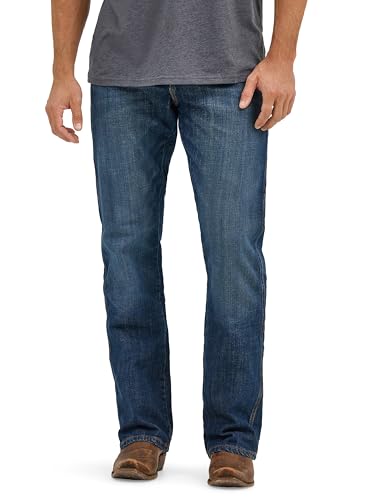
If there's one pair of jeans that defines the cowboy look, it's the Wrangler 13MWZ. This is the Official ProRodeo Competition jean — worn by world champion riders and working cowboys since it was introduced. That's not a marketing line. It's the real standard that the rodeo world holds itself to. The fit is designed specifically to stack cleanly over boots, and the seat and thigh room makes long days in the saddle actually bearable.
The materials back up the reputation. Heavyweight cotton construction resists wear and tear that would destroy cheaper denim in weeks. Felled seams (seams sewn flat so they don't rub against skin) prevent chafing during extended wear — something you'll notice immediately if you've ever ended a trail ride with raw inner thighs. This is purpose-built denim, not fashion denim that happens to be marketed toward cowboys.
Fit runs true to size in most cases, though some buyers report the waist can be slightly snug on the first few wears before the cotton breaks in. If you're between sizes, size up. The leg opening is wide enough to accommodate most boot shafts without stretching or distorting the fabric. You stack them over the boot and they fall naturally — exactly the way Western denim is supposed to work.
Pros:
- Official ProRodeo Competition jean — tested and proven in real working conditions
- Heavyweight cotton holds up to hard use without thinning out quickly
- Felled seams prevent inner-thigh chafing on long rides or work shifts
- Leg opening stacks cleanly over most cowboy boot shafts
- Timeless straight cut works with any boot style
Cons:
- Waist can feel stiff until broken in — may need a few washes
- Not a fashion-forward cut — very traditional, not slim or tapered
2. Wrangler Retro Slim Fit Boot Cut Jean (Layton) — Best for Modern Style
The Wrangler Retro Slim Fit is for the guy who wants the cowboy-boot-compatible leg opening without the boxy, traditional silhouette. The Layton cut sits lower on the waist and fits slim through the seat and thigh — much closer to what you'd see in a country music music video than in a rodeo arena. That's not an insult. It's a different use case, and it does it well.
The signature Retro finishing — whiskering (faded lines at the thighs), hand-sanding, and distressing — gives each pair a vintage worn-in look that would take years to achieve naturally. The variation in finishing means your pair won't look identical to everyone else's, which matters if you're picking this up for weekend wear or nights out. The slim seat and thigh taper cleanly to a boot-cut flare that accommodates most shafts without bunching.
One note on sizing: the slim fit is genuinely slim. If you have a larger thigh or a wider hip, size up in the waist and get them tailored or hemmed if needed. The lower rise also means these aren't ideal for hard physical work where you'll be bending and squatting repeatedly — they'll gap at the back. But for a dinner-and-boots night out, they're a solid choice.
Pros:
- Slim through seat and thigh — modern silhouette that still fits over boots
- Retro finishing gives each pair a unique worn-in appearance
- Lower rise works well for a contemporary Western look
- Boot-cut flare maintains compatibility with most shaft widths
Cons:
- Slim fit is not forgiving — larger builds should size up
- Lower rise and slim thigh not ideal for heavy physical work or riding
3. Ariat M2 Relaxed Boot Cut Jeans — Best for All-Day Comfort
Ariat built its reputation in the boot world — so it makes sense they'd also nail the jeans that go with them. The M2 Relaxed Boot Cut uses 13.25 oz ring-spun stretch denim, which is heavier than typical fashion denim but engineered with stretch so you're not fighting the fabric all day. The result is a pair that feels like work pants but moves like casual wear.
The no-rub comfort inseam is a real differentiator here. Flat seam construction along the inner leg eliminates the ridge that causes friction and skin irritation after hours of wear. Combined with the standard rise and 18-inch tapered leg opening (wide enough to fit over a full Western boot shaft), this is a jean you can wear from a morning ranch job to an afternoon errands run without changing. If you're looking for a boot that holds up just as well, our guide to best cowboy boots made in the USA covers the boots that pair naturally with this cut.
At 100% cotton with ring-spun stretch blended in, durability is strong. These won't pill or thin out the way cheaper blended fabrics do. The classic boot cut silhouette won't win any runway awards, but it's clean, versatile, and appropriate everywhere from a job site to a country bar. Size runs consistent — no need to deviate from your normal.
Pros:
- 13.25 oz ring-spun stretch denim — durable and flexible in one fabric
- Flat no-rub inseams prevent friction and irritation on long wear days
- 18-inch leg opening accommodates virtually any cowboy boot shaft
- Standard rise works for both work and casual occasions
- True-to-size fit — easy to order online
Cons:
- Styling is utilitarian — not the most fashion-forward option on this list
- Limited wash/finish options compared to Wrangler Retro line
4. Rock & Roll Denim Men's Double Barrel Boot Cut Jean — Best Relaxed Casual Fit
Rock & Roll Denim is a brand that understands the Western lifestyle without taking itself too seriously. The Double Barrel cut is a relaxed-fit boot cut that's roomy through the seat and thigh — giving you the kind of comfort that Wrangler's tighter cuts don't always deliver. If you're a bigger guy, or if you just don't like denim that feels like it's working against you, this is the cut to look at.
The relaxed fit also makes this a natural choice for guys who are pairing their jeans with taller or wider boot shafts. More fabric through the leg means more room to stack or tuck over a boot without the material pulling tight. This is a brand you'll see at Texas dance halls and ranch rodeos — people who wear their denim hard and need it to perform under real conditions.
Feature information from the manufacturer is lean, but buyer feedback consistently points to durability and fit consistency as standout qualities. These hold their shape after repeated washing — something relaxed-fit denim often struggles with. The blue colorway is classic and versatile, pairing cleanly with brown, black, or tan cowboy boots.
Pros:
- Relaxed fit through seat and thigh — comfortable for larger builds
- Boot cut leg opening works with wide-shaft Western boots
- Holds shape through repeated washing cycles
- Classic blue wash is versatile with any boot color
Cons:
- Limited feature documentation — less transparency about materials than competitors
- Relaxed fit may look baggy on slimmer body types
5. Wrangler Retro Relaxed Fit Boot Cut Jean (Jackson Hole) — Best Retro Relaxed Option
Think of the Jackson Hole as the bridge between the classic 13MWZ and the fashion-forward Layton. You get the Retro line's signature vintage finishing — whiskering, hand-sanding, distressing — but with a relaxed rather than slim fit through the seat, thigh, and knee. It sits lower on the waist like all Retro jeans, but gives you considerably more room to move.
This is the pick if you want to look like you belong at a Western event but also need to stay comfortable through a full day. The relaxed fit doesn't sacrifice the boot-compatible leg opening — there's still plenty of room to slide over your shaft and stack cleanly. Because the fit is roomier throughout, these work across a wider range of body types than the Layton slim cut.
The unique wash technique means each pair finishes slightly differently, so there's a personalized element you don't get with stock-wash denim. Quality materials throughout — Wrangler doesn't cut corners on the Retro line. If you're already committed to a pair of quality Western boots (check our guide to best handmade cowboy boots made in America if you're still shopping for those), this jean is the relaxed-but-styled complement that completes the look without effort.
Pros:
- Relaxed fit with Retro styling — best of both worlds
- Lower rise and unique vintage finishing for a modern Western look
- Fits a wider range of body types than the slim Layton cut
- Boot cut leg opening handles wide shaft boots easily
Cons:
- Distressing variation means you can't predict exactly how your pair will look
- Lower rise may not suit guys who prefer a higher, more secure waistband
6. Kimes Ranch Men's Raw James Jean — Best Raw Denim for Traditionalists
Raw denim (untreated, unwashed denim that fades and molds to your body over time) is a different experience than anything else on this list. The Kimes Ranch Raw James is designed for guys who take denim seriously — people who understand that the character of raw denim develops with wear rather than coming pre-applied at the factory. The lower rise, straight fit, and straight boot leg give you a cleaner, more minimal silhouette than traditional boot cut styles.
The integrated knife pocket is a genuine functional addition, not a gimmick. It's positioned and sized to carry a standard folding knife without interfering with the pocket's primary use — a detail that shows Kimes Ranch actually understands its customer. Light stitching accents add visual interest without the flashy contrast stitching that makes some Western jeans look costume-y.
Raw denim requires some care. Don't wash frequently during the break-in period — the denim needs time to form fade lines (high-friction areas that bleach lighter over time, giving each pair a completely unique look). According to denim's documented history, raw denim was the original form before modern pre-washing became standard. If you're willing to invest the time, the payoff is a pair of jeans that fits your body specifically and looks unlike anything off a rack.
Pros:
- Raw denim develops a personalized look that improves with wear
- Integrated knife pocket — functional detail for working cowboys
- Light stitching accents are subtle and sophisticated
- Straight boot leg works with both tucked and stacked wear styles
- Lower rise and straight fit give a clean, modern silhouette
Cons:
- Raw denim requires a break-in period — stiff and dark at first
- Higher price point than most options on this list
- Straight leg (not flared boot cut) limits the range of boot shaft widths it accommodates
7. Wrangler 13MWZ Cowboy Cut Original Fit (Rigid Indigo) — Best for Heavy-Duty Use
This is the Rigid Indigo variant of the same 13MWZ cut — essentially the same DNA as pick #1 but in a darker, stiffer, unsanforized (not pre-shrunk) indigo wash. If you're buying these for pure working use — fencing, ranching, trail work, farm operations — the Rigid Indigo holds up even harder than the standard wash. The heavyweight cotton and felled seams are identical, but the Rigid finish adds more initial structure that softens and conforms to your body with wear.
The fit is the same proven formula: comfortable in the waist, seat, and thigh; designed to stack cleanly over boots; cut to accommodate a full day in the saddle without restricting movement. This is ProRodeo-proven denim. World champion cowboys have worn this exact cut in competition. That's not marketing — it's a fact that the Western riding community has validated over multiple generations.

One important note on sizing: Rigid Indigo is unsanforized, meaning it will shrink slightly after the first wash. Size up one waist size when ordering and wash before wearing to preshrink the fabric. After that initial wash, sizing stabilizes. The dark indigo color will fade with wear and washing into a personalized gradient — similar to raw denim but faster and less demanding.
Pros:
- Rigid Indigo finish adds extra structure and durability for hard physical work
- Same ProRodeo-proven cut as the standard 13MWZ
- Felled seams prevent chafing on extended ride or work days
- Dark indigo develops character fade patterns with use
- Heavyweight cotton construction resists premature wear
Cons:
- Unsanforized — will shrink on first wash, requires sizing up
- Very stiff initially — takes more break-in time than pre-washed versions
Buying Guide: How to Choose the Best Jeans for Cowboy Boots
The wrong pair of jeans can ruin even the best cowboy boots. Here's what actually matters when you're shopping in 2026.
Leg Opening Width: The Most Important Measurement
Everything starts here. Your jeans need a leg opening wide enough to slide over your boot shaft — ideally 17 to 20 inches in circumference at the hem. Boot cut jeans are specifically designed with a flared opening below the knee for exactly this purpose. Straight leg jeans can work if the opening is generous enough, but tapered or slim-leg jeans typically won't accommodate a full Western boot shaft.
- Tucked in (stovepipe style): Tuck jeans into the boot shaft — requires a slimmer leg with no flare
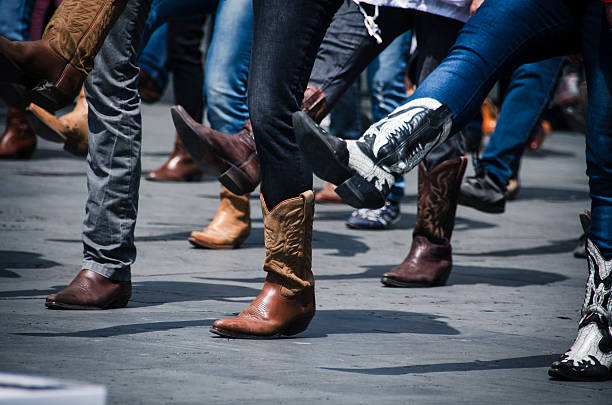
- Stacked (traditional style): Let the jeans bunch slightly over the top of the boot — works best with boot cut or straight leg
- Standard boot cut: Jeans fall over the boot shaft and foot cleanly — the most common Western approach
If you're unsure what works with your specific boots, see our breakdown of how to wear work boots with jeans — the same pairing logic applies here.
Fit Through Seat and Thigh: Function Beats Fashion
Cowboy boots aren't just for standing around. If you're riding, working on a ranch, or just moving through a full day of physical activity, you need real room in the seat and thigh. Too slim and you'll be adjusting your jeans all day. Too relaxed and you'll have excess fabric bunching in places that cause friction.
- Original/Relaxed fit: Most comfortable for riding, working, and all-day wear
- Slim fit: Better for going out, concerts, and situations where appearance matters more than function
- Relaxed Retro: Compromise — retro styling with enough room to move
Denim Weight and Material
Lightweight denim (under 11 oz per square yard) wears out fast under hard conditions. Heavyweight cotton (12–14+ oz) holds up to abrasion, friction, and repeated washing without thinning or fading unevenly. For working cowboys, this matters a lot. For casual weekend wear, lighter and stretchier blends are fine.
- 100% cotton heavyweight: Most durable, best for work, breaks in slowly
- Ring-spun stretch cotton: More flexible immediately, still durable — ideal for all-day active wear
- Raw denim: Untreated — develops personalized fades, requires break-in period
Rise Height: Higher Isn't Always Better
Traditional Western jeans like the 13MWZ run a standard or high rise, which prevents gapping when you bend or squat. The Wrangler Retro and Kimes Ranch lines sit lower on the waist — a modern preference that works better when you're standing or doing light activity, but can gap at the back during hard physical work. Know how you'll be wearing these before you choose.
- Standard/high rise: Better for work, riding, and active use
- Low rise: Cleaner silhouette when standing, but gaps during heavy activity
What People Ask
What type of jeans look best with cowboy boots?
Boot cut jeans are the traditional pairing — the flared leg sits cleanly over the boot shaft and stacks naturally. Straight-leg jeans work too, as long as the leg opening is wide enough to slide over the boot. Avoid slim or tapered styles unless you plan to tuck the jeans inside the boot shaft (stovepipe style).
Should jeans be tucked into cowboy boots or worn over them?
Both are acceptable — it depends on the situation and the boot style. Stacking jeans over boots (letting the hem bunch slightly over the shaft) is the traditional Western look and works with most boot cuts. Tucking jeans inside the boot shaft is more fashion-forward and works best with slimmer jeans and taller, wider-shaft boots. Neither is wrong — choose based on your look and activity.
Are Wrangler jeans the best option for cowboy boots?
For traditional Western wear and working cowboys, yes — the Wrangler 13MWZ is the benchmark. It was designed specifically for riding and rodeo, and it remains the Official ProRodeo Competition jean in 2026. That said, Ariat M2 and Kimes Ranch offer excellent alternatives with different fit profiles for different needs.
What is the ideal leg opening size for jeans worn with cowboy boots?
Most cowboy boot shafts require a leg opening of at least 16–18 inches in circumference to sit cleanly over them. Standard boot cut jeans from Wrangler, Ariat, and similar Western brands are sized with this in mind. If you're shopping outside traditional Western brands, measure your boot shaft circumference before buying and compare to the jeans' hem measurement.
Can slim fit jeans be worn with cowboy boots?
Yes, but with caveats. Slim fit jeans work with cowboy boots only if they have a boot cut flare at the hem, like the Wrangler Retro Slim Fit (Layton). A slim jean that tapers all the way to a narrow hem typically won't fit over a Western boot shaft. If you're committed to a truly slim look, tuck the jeans inside the boot — but this requires a boot with a tall enough shaft to hold the fabric in place.
How do I prevent jeans from bunching too much over cowboy boots?
Two approaches: First, choose jeans that are hemmed to the right inseam length — too long means excessive stacking. A good rule is to have jeans hemmed so they just break at the top of the boot shaft with one clean fold. Second, choose jeans with the right leg opening — too wide creates more fabric than necessary. Boot cut with an 18-inch opening is the right balance for most boots.
Buy on Walmart
- Wranglermens13mwz Cowboy Cut Original Fit Jean — Walmart Link
- Wrangler Retro Slim Fit Boot Cut Jean, Layton, 32W x 34L — Walmart Link
- Ariat M2 Relaxed Boot Cut Jeans – Men’s Relaxed Fit Denim — Walmart Link
- Rock & Roll Denim Men's Double Barrel Boot Cut Jean Blue 31x — Walmart Link
- Wrangler Retro Relaxed Fit Boot Cut Jean, Jackson Hole, 36W — Walmart Link
- Kimes Ranch Men's Raw James Casual Western Cowboy Mid-Low Ri — Walmart Link
- Wrangler Mens 13mwz Cowboy Cut Original Fit Jeans, Rigid Ind — Walmart Link
Buy on eBay
- Wranglermens13mwz Cowboy Cut Original Fit Jean — eBay Link
- Wrangler Retro Slim Fit Boot Cut Jean, Layton, 32W x 34L — eBay Link
- Ariat M2 Relaxed Boot Cut Jeans – Men’s Relaxed Fit Denim — eBay Link
- Rock & Roll Denim Men's Double Barrel Boot Cut Jean Blue 31x — eBay Link
- Wrangler Retro Relaxed Fit Boot Cut Jean, Jackson Hole, 36W — eBay Link
- Kimes Ranch Men's Raw James Casual Western Cowboy Mid-Low Ri — eBay Link
- Wrangler Mens 13mwz Cowboy Cut Original Fit Jeans, Rigid Ind — eBay Link
Next Steps
- Check current prices on your top pick — click through to Amazon for the Wrangler 13MWZ or whichever cut matched your fit profile to see today's pricing and available size/wash combinations.
- Measure your boot shaft circumference before ordering — use a soft tape measure around the widest part of your boot shaft, then confirm your chosen jeans' hem opening exceeds that measurement.
- Order your usual size, but size up for Rigid Indigo — the standard 13MWZ and Retro line run true to size, but the Rigid Indigo unsanforized version will shrink on first wash, so go one waist size up.
- If you haven't settled on boots yet, shop boots first — browse our best cowboy boots made in the USA guide to nail down your boot selection before finalizing your jeans choice, since shaft height and width affect which leg opening you need.
- Read buyer reviews on Amazon for your exact size — Western denim sizing can vary by wash and cut even within the same model; reviews filtered to your waist and inseam size will reveal any fit quirks specific to that combination.


About James Miller
James Miller is a dedicated individual based in the vibrant city of San Francisco, CA, USA. His unwavering passion lies in the realm of construction, where he finds fulfillment in exploring and documenting various facets of construction equipment and processes. A graduate of the University of California Merced, James holds a dual degree in mechanical and electrical engineering, which has equipped him with a solid foundation in technical knowledge.With a keen eye for detail and a knack for articulation, James has channeled his enthusiasm into writing about the intricacies of construction gear and methodologies. His insightful writings offer valuable insights to both industry professionals and curious enthusiasts, shedding light on the machinery and techniques that shape the built environment.James Miller's educational background in mechanical and electrical engineering lends credibility to his work, allowing him to delve into the technical nuances of construction with precision. His passion for sharing knowledge and fostering understanding in the construction field is evident in his contributions, making him a respected voice in the industry.
Get FREE Boots Gifts now. Or latest free toolsets from our best collections.
Disable Ad block to get all the secrets. Once done, hit any button below