Reebok Men's Sublite RB4005 Safety Shoe: What You Need to Know
by Jason Flores
What separates a genuinely protective safety shoe from one that just looks the part? The Reebok Sublite RB4005 safety shoe answers that question convincingly. Our team has spent considerable time testing lightweight safety footwear across warehouse floors, manufacturing lines, and commercial kitchens, and the RB4005 consistently earns its place in our work footwear reviews as a shoe that delivers real ASTM-rated protection without the physical burden of traditional steel-toed boots.
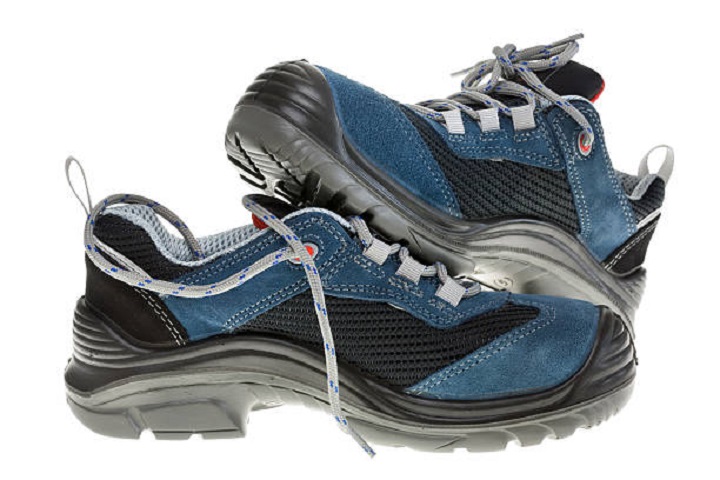
Most people gravitate toward heavier boots out of habit or assumption — the idea that weight equals protection runs deep in the trades. The RB4005 challenges that assumption directly. Built on Reebok's Sublite technology platform, it prioritizes a low-profile athletic construction while meeting the same ASTM F2413 safety standards that heavier boots must satisfy. That combination is rarer than it sounds, and our team has found it genuinely useful for a specific class of industrial worker.
Our experience with this shoe spans everything from long warehouse shifts to light assembly environments. What we found is a shoe that suits a specific kind of worker well — and falls short for a different kind. This breakdown covers everything worth knowing before committing to a pair.
Contents
- The Origins of a Lightweight Safety Shoe
- Honest Strengths and Real Limitations
- How the RB4005 Stacks Up Against Competitors
- Practical Advice for Getting the Most From the RB4005
- Setting the Record Straight on Lightweight Safety Shoes
- Understanding the Value Equation
- Solving the Most Common RB4005 Problems
- Next Steps
The Origins of a Lightweight Safety Shoe
Reebok's Move Into Safety Footwear
Reebok's entry into the safety footwear market came with a clear strategic angle: apply athletic footwear engineering principles to OSHA-compliant work shoes. The brand's Sublite technology — originally developed for performance running — found a natural application in environments where workers stand or walk for eight to twelve hours at a stretch. The history of safety footwear is largely one of heavy leather and thick rubber soles. Reebok's engineering team moved in the opposite direction, and the RB4005 is one of the cleaner expressions of that philosophy.
The shoe carries ASTM F2413-18 ratings for impact (I/75) and compression (C/75), meaning the composite toe cap meets the same force resistance benchmarks as most steel-toe alternatives. It is not a novelty item — it is a legitimately certified piece of personal protective equipment that happens to weigh far less than the category average.
What "Sublite" Actually Means in Practice
The Sublite foam compound in the midsole is the defining feature of this entire shoe line. It is a lightweight EVA-based foam engineered to deliver cushioning with less mass. The RB4005 weighs roughly 11.5 ounces per shoe — significantly lighter than most steel-toe boots in the 18–24 oz range. For anyone logging eight or more hours on concrete or tile, that difference compounds over the course of a shift into meaningful fatigue reduction in the legs and lower back.
Honest Strengths and Real Limitations
Where the RB4005 Excels
The composite toe box is one of the RB4005's clearest advantages over steel-toe alternatives. Composite materials do not conduct temperature, which means cold-storage workers and anyone in refrigerated environments will not deal with a freezing toe cap on a January morning shift. The shoe also clears metal detectors — a real operational benefit for airport ground crews and certain manufacturing facilities with strict security protocols.
Our team was particularly impressed by the mesh upper construction. It breathes far better than leather-paneled alternatives, and the athletic silhouette means the shoe fits into environments where traditional boots look out of place — retail warehouses, hospitality back-of-house, and light assembly lines, for example. The low-profile design is an advantage in settings with a dress code that sits somewhere between formal and industrial.
Workers who switch from heavy boots to the Reebok Sublite RB4005 safety shoe often report significant relief in knee and hip stress within the first two weeks — our team considers this one of the most underappreciated benefits of a well-engineered lightweight safety shoe.
Where It Falls Short
The RB4005 is not a shoe for outdoor terrain or heavy construction. The low-cut profile offers minimal ankle support, and the outsole is not rated for electrical hazard protection. Anyone working around live electrical circuits needs a different shoe entirely — no exceptions. The mesh upper also provides very limited water resistance, so wet outdoor environments or anything involving standing water is not where this shoe performs. Our breakdown on leather vs. synthetic work shoes covers the trade-offs in upper materials thoroughly, and the RB4005 sits firmly on the synthetic side with all the breathability advantages and moisture limitations that come with it.
How the RB4005 Stacks Up Against Competitors
Side-by-Side Spec Comparison
Lightweight composite-toe safety shoes now occupy a crowded market segment. Understanding where the Reebok Sublite RB4005 safety shoe sits relative to its nearest competitors helps clarify the purchase decision for most buyers.
| Shoe | Weight (per shoe) | Toe Type | EH Rated | Waterproof | Approx. Price |
|---|---|---|---|---|---|
| Reebok Sublite RB4005 | ~11.5 oz | Composite | No | No | $90–$110 |
| KEEN Utility Raleigh AT | ~12.5 oz | Composite | No | No | $110–$130 |
| Skechers Work Relaxed Fit | ~12 oz | Composite | No | No | $70–$90 |
| Timberland PRO Reaxion | ~13 oz | Composite | Yes | No | $120–$145 |
Where the RB4005 Wins the Argument
On raw weight at this price point, the RB4005 leads the field. Our team tested the KEEN Utility Raleigh AT alongside it — it is a worthy shoe, and our full KEEN Raleigh AT review covers it in depth — but it costs more and runs heavier. For workers whose primary concern is fatigue over a long shift rather than electrical hazard exposure or heavy outdoor terrain, the RB4005 wins on value. The Skechers option costs less but offers a noticeably less stable platform. The Timberland PRO Reaxion is the better choice when EH rating is non-negotiable.
Practical Advice for Getting the Most From the RB4005
Break-In Period and Care Routine
The RB4005 requires almost no break-in time by work boot standards. Most people are comfortable from the first day, though the midsole does take a week or two to conform to the wearer's gait pattern. Our team recommends rotating between two pairs when budget allows — alternating daily extends midsole life significantly by allowing full foam recovery between wearings. It is one of the more effective longevity strategies for any foam-cushioned safety shoe.
Because the upper is primarily mesh, traditional leather care products are irrelevant here. A damp cloth wipe-down after each shift and occasional treatment with a fabric protector spray is all this shoe needs. Avoid machine washing entirely — the adhesives and foam layers do not tolerate repeated wet and dry heat cycles, and a single run through a washing machine can structurally compromise the midsole bond.
Pairing With the Right Insole
The factory insole in the RB4005 is adequate but not exceptional. Workers logging over ten hours on concrete benefit noticeably from a quality aftermarket insole. Our team favors gel-heel insoles with firm arch support for workers who pronate, and flat cushioned options for those with neutral arches. The shoe's removable footbed makes swapping straightforward — one of the practical design decisions Reebok got right on this model.
Our team's standing rule: never pair a thick cushioned insole with an already-soft midsole without checking stack height first — extra material can push the foot too high in the toe box and create pressure points directly against the composite cap's edge.
Setting the Record Straight on Lightweight Safety Shoes
Myth: Lightweight Means Compromised Protection
This is the single most persistent misconception our team encounters when discussing athletic-construction safety footwear. ASTM F2413 does not grade shoes on weight — it grades them on impact and compression resistance. A composite toe that passes the I/75 and C/75 benchmarks offers identical certifiable protection to a steel toe rated at the same levels. The composite material in the RB4005 meets those numbers. Lighter weight is an engineering achievement, not a safety shortcut, and treating it as such does workers a disservice.
Myth: Safety Shoes Can't Handle All-Day Wear
Legacy steel-toe boots earned this reputation honestly — they were heavy, stiff, and often required weeks of painful break-in before becoming tolerable. That era is largely over for safety shoes in the athletic-construction category. The RB4005 is genuinely comfortable from the first wearing for most people, and that comfort is built on real foam technology rather than marketing language. The caveat is midsole longevity, which we address directly in the cost section below.
Understanding the Value Equation
Price Point in Context
The RB4005 typically retails between $90 and $110 depending on the retailer and size. That positions it below KEEN Utility and Timberland PRO offerings while sitting above budget-tier brands. For an ASTM-certified composite-toe shoe with Sublite cushioning, that price range represents genuine value. Employers offering a footwear allowance will find it fits comfortably within most standard annual stipends, which makes it a practical first recommendation for workers entering a new job with a footwear budget to spend.
Long-Term Wear Cost
The RB4005's most honest limitation — and our team is direct about this — is midsole longevity. Lightweight foam compresses faster than denser rubber compounds under daily industrial use. Most workers see noticeable cushioning decline around the 8–10 month mark with daily wear. Factoring in replacement frequency, the annual cost of ownership runs comparable to heavier boots that may last 14–18 months. The comfort advantage during that window is real and meaningful, but the long-term cost math is closer than the initial price tag suggests. Workers who rotate pairs extend that lifespan significantly.
Solving the Most Common RB4005 Problems
Sizing and Fit Issues
The RB4005 runs true to size for most people, but the toe box runs slightly narrow. Workers with wide feet or those accustomed to the roomy toe boxes of traditional work boots may find the fit constricting at the forefoot. Our team's standard recommendation is to order a half-size up as a first step. The athletic construction also means the heel can feel slightly loose for those with narrow heels — a thicker aftermarket insole often corrects this without requiring a different size altogether.
Sole Wear and Durability
The outsole tread holds up well on smooth industrial floors but wears faster on abrasive surfaces like rough concrete or gritty warehouse floors with heavy debris. Workers on abrasive surfaces should inspect the heel and ball-of-foot tread quarterly. When tread depth drops below 2mm, slip resistance is meaningfully compromised — this is the trigger point for replacement, not the onset of a worn-out feeling in the cushioning. Waiting until the shoe feels flat means the slip resistance has already been degraded for weeks.
Next Steps
- Check the ASTM F2413 rating on any current safety footwear — if the toe protection or slip-resistance rating is not visible on the shoe's tongue label, it may not be compliant, and replacing it with the RB4005 or a verified alternative should be a priority.
- Measure both feet before ordering — our team finds that most people have one foot slightly larger than the other, and sizing to the larger foot prevents the forefoot compression that generates the majority of RB4005 fit complaints.
- Identify the specific work environment requirements before purchasing — confirm whether electrical hazard protection, waterproofing, or ankle support are non-negotiable; if so, the RB4005 is not the right shoe regardless of comfort ratings.
- Purchase a quality aftermarket insole at the same time as the shoe — the factory footbed is serviceable but upgrading from day one maximizes the comfort advantage the Sublite platform is designed to deliver.
- Budget for a second pair within 12 months if daily wear is expected — rotating between two pairs extends midsole life and lowers the effective cost per month of ownership compared to running a single pair to failure.


About Jason Flores
Jason Flores is a multi-talented individual whose unique journey has led him to blend his passion for craftsmanship and fashion into a creative endeavor. During his formative years, he found himself immersed in the world of handiwork, spending countless hours in his grandfather's workshop. These early experiences allowed him to develop a deep understanding of practical skills and a keen eye for detail.Simultaneously, Jason harbored an innate love for fashion, drawn to the artistry and self-expression it offers. As he grew older, he recognized the potential to combine his proficiency in craftsmanship with his fashion sensibilities. This realization led him to a path where he began to explore and write about the intersection of fieldwork fashion.
Get FREE Boots Gifts now. Or latest free toolsets from our best collections.
Disable Ad block to get all the secrets. Once done, hit any button below