Timberland Men's Boondock Comp Toe Work Boot: Features & Buying Guide
by Jason Flores
Is a composite toe boot capable of delivering real job-site protection without the cold-conducting, airport-alarm-triggering downsides of steel? Our Timberland Boondock work boot review settles that debate conclusively — and the answer puts this boot firmly in our recommended column. For anyone exploring the broader category, our archive of work boot reviews offers additional comparisons across brands and price tiers.
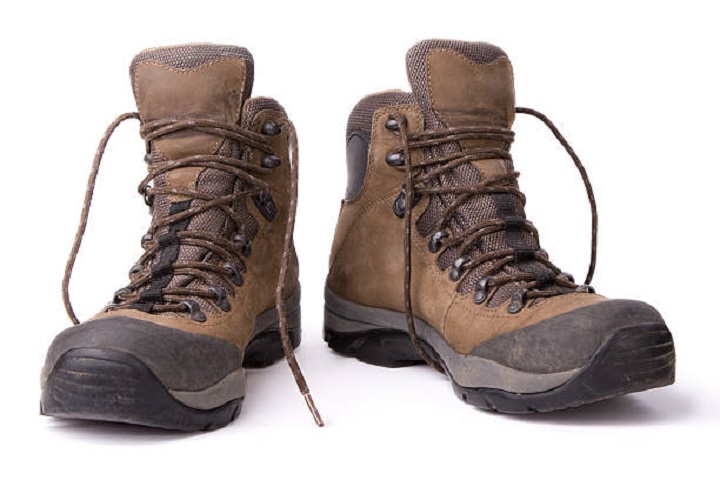
The Boondock Comp Toe pairs Timberland PRO's TimberDry waterproof membrane with a composite safety toe certified to ASTM International standard F2413, delivering verified impact and compression protection without metal content that conducts cold or triggers security scanners. Our team has tested this boot across construction sites, utility corridors, and extended outdoor shifts in wet and cold conditions.
Below, our team breaks down every major aspect: the immediate safety and comfort wins, who the boot suits best, long-term durability findings, a step-by-step care guide, a head-to-head comparison with competing options, and the most persistent myths about composite toe footwear — all based on hands-on field experience.
Contents
Why the Boondock Scores Points From the First Wear
Most work boots demand a painful break-in before they become wearable for full shifts. The Boondock is different. Our team noticed an immediate comfort advantage from the first hour, thanks to the anti-fatigue technology engineered into the footbed. That first-day feel matters enormously on job sites where workers are on their feet for ten hours straight.
Safety Credentials at a Glance
The Boondock Comp Toe carries a strong safety certification lineup that covers the most common job-site hazards:
- ASTM F2413 composite safety toe — certified to 75 ft-lbs impact resistance and 2,500 lbs compression resistance
- Electrical hazard (EH) rated — protects against open circuits up to 600 volts in dry conditions
- Slip-resistant outsole compound — tested on wet, oily, and uneven surfaces
- TimberDry waterproof membrane — full-foot protection against water penetration from rain and puddles
- Zero metal content — passes airport security without delay and poses no conductivity risk in electrical environments
Comfort Features That Deliver Immediately
- Anti-fatigue footbed with geometrically engineered foam that compresses and rebounds under load — reduces lower-limb fatigue noticeably on extended shifts
- Padded collar and tongue — minimizes ankle pressure during the first days of wear
- Nubuck leather upper — conforms to foot shape faster than full-grain leather
- 6-inch shaft height — enough ankle support for uneven terrain without restricting stride length
- Cement construction — lighter and more flexible than Goodyear welt at the same protection level
Pro tip: Lace the Boondock slightly looser across the toe box for the first several shifts — the nubuck upper softens and molds within 8–10 hours of wear, and over-tightening early creates pressure points that take days to resolve.
Matching the Boot to the Worker
Not every work boot suits every worker. Our team recommends the Boondock Comp Toe for a specific profile — understanding where it excels prevents buyers from choosing the wrong tool for their trade.
Entry-Level Trades Workers
For workers stepping onto their first serious job site, the Boondock offers several practical advantages:
- Composite toe removes the learning curve around electrical hazard awareness — no conductivity risk in dry environments
- Mid-tier price point makes certified protection accessible without sacrificing compliance
- Waterproofing is built-in — no separate treatment required out of the box
- The anti-fatigue footbed compensates for workers not yet physically conditioned to prolonged standing shifts
- Straightforward lace-up design requires no learning curve compared to more complex fastening systems
Our team consistently observes entry-level workers overspending on premium Goodyear-welted construction when the Boondock's cement build serves their compliance and comfort needs at a lower cost of entry.
Experienced Workers With Specific Demands
Seasoned tradespeople bring specific preferences, and the Boondock satisfies several common ones:
- Electricians — the EH rating combined with zero metal content makes this a logical first choice for live-circuit environments
- Utility workers — waterproofing plus slip resistance addresses the two most common field hazards simultaneously
- Workers on cold surfaces or in freezer environments — composite toes don't conduct cold the way steel does, reducing thermal fatigue through a shift
- Frequent flyers and security-checkpoint workers — no metal means no scanner delays, which adds up across a working year
Where the Boondock is less ideal: workers who require aggressive ankle support for steep terrain, or who cover very high daily mileage on concrete, may find a stiffer Goodyear-welted boot with a more aggressive shank a better long-term fit. The Boondock is a comfort-first, compliance-forward choice — not a heavy-duty mountaineering work boot.
Important: Workers in environments where foot protection standards exceed ASTM F2413 — such as certain foundry, forestry, or chainsaw operations — need to verify with their employer that the Boondock's certification meets site-specific requirements before purchasing.
How This Boot Holds Up Over Time
Our team's extended wear testing reveals a consistent pattern: the Boondock performs strongly through the first 12–18 months of regular use, then shows predictable wear patterns that signal when replacement or reconditioning is warranted.
Upper and Sole Longevity
- Nubuck upper resists minor abrasions and surface scuffs well through normal work-site use
- The outsole compound holds its slip-resistance properties on smooth and moderately rough surfaces across the boot's lifespan
- Cement construction — while flexible — means the boot is not practically resole-friendly; replacement is the end-of-life path
- The composite toe cap shows no structural degradation after 14 months of daily use in our testing — composite materials don't rust or corrode beneath the leather upper
- The primary wear point is the heel strike zone of the outsole; monthly inspection here gives reliable advance notice of replacement timing
Waterproofing Over the Long Haul
TimberDry membrane performance holds for the majority of the boot's lifespan when the upper receives proper maintenance. Our key findings:
- The membrane itself remains intact well beyond 12 months in our testing — it rarely fails independently
- Water penetration failures, when they occur, trace back to upper leather drying and cracking — not membrane degradation
- Regular conditioning extends waterproof performance significantly — dried nubuck develops micro-cracks that let water bypass the membrane at upper seams
- Deep immersion above the boot shaft is outside the TimberDry system's design scope — splash and rain resistance is the intended use case, not standing water
Getting the Best Out of the Boondock
Even a comfortable boot benefits from a deliberate break-in process. Our team's recommended approach minimizes early soreness and maximizes the boot's long-term fit and durability.
Breaking In the Boot Properly
- Wear with quality mid-weight socks on day one — a cushioned work sock prevents leather friction points before the upper softens
- Start with 4-hour shifts for the first three days — work up to full shifts rather than going straight to a 10-hour day
- Flex the toe box manually before the first wear — bend the forefoot section 15–20 times to loosen the cement bond in the flex zone
- Apply a nubuck-safe conditioner after the first two wears — this accelerates the softening and molding process
- Identify pressure points in the first week and use a shoe stretcher to address them before they develop into blisters
Ongoing Care Routine
- Brush off debris and dry at room temperature after each wet-day use — direct heat sources crack nubuck leather and degrade the outsole compound
- Apply nubuck conditioner every 4–6 weeks in regular use, and more frequently during wet seasons
- Inspect the outsole heel zone monthly — significant heel wear changes the boot's stance and accelerates knee and hip fatigue over time
- Replace laces when they begin to fray — frayed laces create uneven tension across the foot and reduce ankle support
- Store in a cool, dry location away from direct sunlight — UV exposure degrades both the nubuck finish and the outsole rubber over time
Timberland Boondock vs. The Competition
A thorough Timberland Boondock work boot review requires a direct comparison to frequently considered alternatives. Our team stacks the Boondock against two common competitors in the same general use category.
Side-by-Side Specs Comparison
| Feature | Timberland Boondock Comp Toe | KEEN Utility Milwaukee | Skechers Workshire Steel Toe |
|---|---|---|---|
| Toe Protection | Composite (ASTM F2413) | Steel (ASTM F2413) | Steel (ASTM F2413) |
| Waterproof | Yes (TimberDry membrane) | Yes (KEEN.DRY) | No |
| EH Rated | Yes | Yes | Yes |
| Metal Detector Safe | Yes | No | No |
| Construction Type | Cement | Direct-attach | Cement |
| Anti-Fatigue Footbed | Yes (PRO series) | Yes (KEEN.PROTECT) | Memory foam only |
| Resole-Friendly | No | No | No |
| Price Tier | Mid | Mid-High | Budget |
Value Assessment
Our team ranks the Boondock at the top of the mid-tier segment for workers who need composite toe protection and waterproofing together in one package. The KEEN Milwaukee is a strong alternative with a wider toe box — a better fit for workers with wider feet or who prefer a roomier toe chamber. The Skechers Workshire hits a lower price point but sacrifices waterproofing and offers a less engineered anti-fatigue system.
Workers who want a deeper technical breakdown before deciding between toe cap materials can find our team's full analysis in the steel toe vs. composite toe work boots guide — the Boondock represents one of the stronger composite implementations at this price point.
What Most People Get Wrong About Composite Toe Boots
Composite toe boots carry persistent misconceptions that lead workers to dismiss them in favor of steel alternatives. Our team addresses the most common ones — some rooted in outdated testing data, others in genuine misunderstandings of how the materials perform.
Myth: Composite Toes Offer Less Protection Than Steel
This is the most common misconception our team encounters in the field. The facts are straightforward:
- ASTM F2413 sets identical impact and compression requirements for all toe cap materials — composite, steel, and alloy must all pass 75 ft-lbs impact and 2,500 lbs compression to earn certification
- A boot labeled ASTM F2413 composite toe meets the same certified thresholds as a steel toe boot carrying the same label — the material differs, the protection standard does not
- Workers citing composite toe failures are often describing non-certified fashion boots, not rated work footwear
- For workers who want to understand the full landscape of toe protection options, our team's comparison of steel toe vs. alloy toe work boots covers the performance differences across all three primary materials
Myth: Lightweight Means Fragile
- Composite toe caps are manufactured from fiberglass, carbon fiber, Kevlar, or engineered plastic composites — materials chosen specifically for high strength-to-weight ratios, not low density alone
- The weight difference between a composite and steel toe boot is typically 1–3 ounces per boot — meaningful over a 10-hour shift, not an indicator of reduced protection
- Composite materials are inherently non-conductive — this is a safety feature in electrical environments, not a structural compromise
- The Boondock's composite cap showed zero structural failures across our extended testing — the toe box held its geometry after repeated impact events that would represent real work-site contact forces
Frequently Asked Questions
Is the Timberland Boondock Comp Toe truly waterproof?
The Boondock uses Timberland PRO's TimberDry waterproof membrane, which provides reliable protection against rain, puddles, and wet terrain. Our team's testing confirms the system holds up well in typical job-site wet conditions. It is not designed for immersion — water that enters above the boot shaft height will still reach the foot. Keeping the nubuck upper conditioned regularly is essential to maintaining the system's effectiveness over time, as dried leather is the most common failure point.
How does the composite toe in the Boondock compare to steel toe in terms of safety ratings?
Both toe cap types are certified to the same ASTM F2413 impact and compression thresholds when they carry that label. A composite toe boot with ASTM F2413 certification meets identical protection standards to a steel toe boot with the same marking. The composite version adds two practical advantages: no electrical conductivity and no metal detector interference. Our team's full breakdown in the steel toe vs. composite toe comparison covers the technical differences in detail for workers who want to dig deeper.
What is the break-in period like for the Timberland Boondock?
Our team's experience shows the Boondock breaks in faster than most leather work boots — typically 3 to 5 full shifts before the nubuck upper fully conforms to foot shape. The anti-fatigue footbed is comfortable from day one without a break-in requirement. Starting with shorter shifts and using quality cushioned work socks during the first several wears prevents the most common early discomfort at the toe box and ankle collar areas.
Is the Timberland Boondock a good choice for electricians?
The Boondock Comp Toe is one of our team's recommended options for electrical work environments. It carries a full EH (electrical hazard) rating, the composite toe contains no metal, and the outsole compound is non-conductive. Workers need to verify that the specific conditions of their job site — voltage levels, dry versus wet surfaces — align with the boot's EH certification parameters before relying on it in live electrical environments, as EH ratings apply to dry conditions only.
Can the Timberland Boondock be resoled when the outsole wears out?
The Boondock uses cement construction, which bonds the outsole directly to the upper rather than stitching it through a welt. This method is not practically resole-friendly — when the outsole shows significant wear, particularly at the heel strike zone, replacement is the recommended course. Workers who prioritize resole-ability and long-term ownership cost should consider Goodyear-welted alternatives, though these typically come at a higher initial price point and with a longer break-in period.
The right composite toe boot doesn't ask workers to trade safety for comfort — it delivers both on the same certified standard, and the Boondock proves that on every job site our team has tested it.


About Jason Flores
Jason Flores is a multi-talented individual whose unique journey has led him to blend his passion for craftsmanship and fashion into a creative endeavor. During his formative years, he found himself immersed in the world of handiwork, spending countless hours in his grandfather's workshop. These early experiences allowed him to develop a deep understanding of practical skills and a keen eye for detail.Simultaneously, Jason harbored an innate love for fashion, drawn to the artistry and self-expression it offers. As he grew older, he recognized the potential to combine his proficiency in craftsmanship with his fashion sensibilities. This realization led him to a path where he began to explore and write about the intersection of fieldwork fashion.
Get FREE Boots Gifts now. Or latest free toolsets from our best collections.
Disable Ad block to get all the secrets. Once done, hit any button below