A buddy of mine spent three months complaining about aching feet and worn-down knees before someone finally looked at his boots and asked what sole he was running. He was on polished concrete warehouse floors for eight hours a day, and his outsole was designed for loose mountain terrain. One swap to the right compound later, his complaints stopped almost overnight. If you've ever stood at the boot wall wondering whether the outsole really matters, the answer is yes — and getting clear on the types of Vibram soles is the fastest way to make a genuinely informed decision. If you want the broader context first, our guide to different types of boot soles is a great place to start.
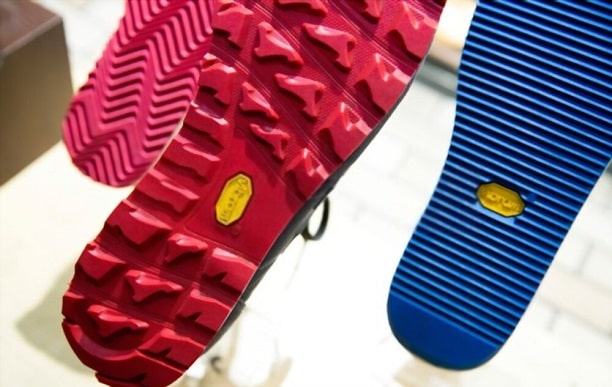
Vibram is an Italian rubber technology company that's been engineering high-performance outsoles since 1937. According to Wikipedia, the company was founded in the wake of a deadly mountaineering accident that claimed six lives, pushing founder Leopoldo Pirelli to develop a rubber compound that could outperform leather on alpine terrain. That original drive for performance hasn't changed. What has changed is the scope — Vibram now produces dozens of compound formulas and tread geometries, each engineered for a specific surface, load type, and work environment.
The brand name has become shorthand for outsole quality, but not all Vibram soles are built the same way or for the same purpose. The compound that makes a lineman's boot grip steel lattice at height is completely different from what keeps a food service worker safe on wet tile. Understanding the difference puts you in control of your boot selection — instead of relying on marketing copy, you'll know exactly what you're buying and why. Browse our full work boot reviews section when you're ready to shop with those criteria in hand.
Contents
- The Main Types of Vibram Soles and What Each One Does
- Matching Vibram Soles to Your Work Environment
- Mistakes That Kill Your Vibram Sole's Performance
- Small Changes That Immediately Improve Your Vibram Sole
- The Real Strengths and Trade-Offs of Vibram Soles
- Keeping Your Vibram Soles in Peak Condition
- Frequently Asked Questions
- Next Steps
The Main Types of Vibram Soles and What Each One Does
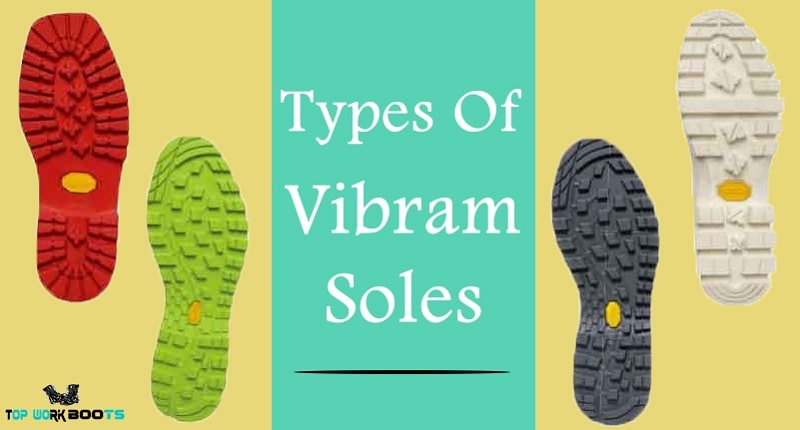
Vibram produces well over a hundred sole models at any given time, but for work boot applications you'll encounter a handful of recurring families. Each uses a different rubber compound, hardness rating, and lug geometry to target a specific job environment. Learning these families by name lets you decode boot specs without relying on vague descriptors like "rugged" or "durable."
Classic Heritage Compounds: Christy and Montagna
The Vibram Christy sole is one of the most recognizable in the work boot world. It's a flat, crepe-style sole engineered for hard surfaces — concrete, asphalt, polished tile. The Christy isn't a technical traction sole; it's a fatigue-reduction sole. If you're standing or walking on smooth, level ground all day, the Christy's cushioning and surface contact area make a noticeable difference by the time afternoon rolls around. Warehouse supervisors, retail floor workers, and light manufacturing staff all benefit from this compound.
The Montagna compound takes a completely different approach. It's a harder, more wear-resistant rubber designed for rugged outdoor terrain — rocky job sites, gravel, compacted earth, construction rubble. The Montagna prioritizes durability and bite on loose surfaces over cushioning comfort. You'll find it on heavy-duty construction and logging boots where long-term mileage and grip on unpredictable ground matter most.
High-Performance Compounds: Kletterlift and V-Sole
The Kletterlift is Vibram's original climbing-inspired compound, and it remains one of the best grip formulas the company produces for dry, hard surfaces. It's popular on lineman boots and ironworker footwear where you're climbing ladders, working on steel structure, or traversing rooftops. The trade-off is wear rate on abrasive concrete — the Kletterlift is harder and grippier than it is abrasion-resistant, so it's best matched to workers who need maximum adhesion over maximum mileage.
The V-Sole compound is a more modern, versatile formula that balances grip, durability, and oil resistance. This is the compound you'll find on a lot of mainstream work boots today because it performs reliably across mixed environments — some outdoor terrain, some warehouse floor, some wet surfaces. It won't top the charts in any single category, but it won't fail you in most real-world conditions either. For tradespeople who move between surfaces throughout the day, the V-Sole is often the most practical choice.
Specialty Compounds: Morflex and Contact
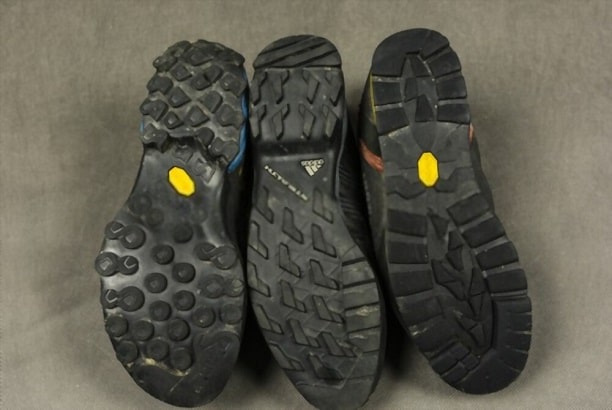
The Morflex sole uses a two-density foam-rubber construction — the bottom layer handles traction, and the upper layer absorbs shock. It's popular on boots for electricians, technicians, and mechanics who spend hours standing on hard floors but don't log heavy walking miles. The Contact sole is softer and flatter, formulated for food service and light industrial environments where non-marking and oil-resistant properties take priority over deep tread performance.
| Vibram Sole | Best Surface | Key Strength | Ideal Work Environment |
|---|---|---|---|
| Christy | Smooth hard floors | Cushioning, fatigue reduction | Warehouses, retail, light manufacturing |
| Montagna | Rocky, uneven terrain | Durability, bite | Construction, logging, site work |
| Kletterlift | Dry rock, steel, ladders | Maximum grip on structure | Ironwork, lineman, roofing |
| V-Sole | Mixed environments | Versatility, oil resistance | General trades, indoor/outdoor mix |
| Morflex | Hard flat floors | Shock absorption | Electricians, mechanics, technicians |
| Contact | Polished or wet floors | Non-marking, oil resistance | Food service, light industrial |
Matching Vibram Soles to Your Work Environment
The biggest mistake workers make is treating all Vibram soles as interchangeable because they carry the same brand name. They're not. The compound formula and tread design are the functional specs, and you need to match both to your actual work surface and hazard profile — not to the boot's overall reputation or price point.
Oil, Chemical, and Slip Resistance
If you work around oils, lubricants, coolants, or wet floors, you need a sole explicitly rated for those conditions. The Vibram V-Sole and Contact compounds are both formulated with oil resistance in mind and carry SRC slip-resistance ratings when tested on ceramic tile and steel. The standard to check for is ASTM F2913 or EN ISO 13287 compliance, which tells you the sole has been independently tested against a defined slip coefficient. Don't assume oil resistance based on brand name alone — verify it against the spec sheet on the specific boot model you're considering.
Pairing Vibram with Your Safety Toe Choice
Your sole choice doesn't exist in isolation. It has to work with the rest of the boot's construction and weight profile. If you're currently deciding between steel toe vs composite toe work boots, keep in mind that the weight difference between those options directly affects how fatiguing your Vibram sole feels after eight hours. A heavier steel toe paired with a stiff Montagna sole is a lot of mass to move all day on concrete. A composite toe with a Morflex sole keeps the overall package lighter and reduces cumulative fatigue on hard floors.
Pro tip: When choosing a compound, optimize for the surface you spend 80% of your time on — not the toughest surface you occasionally encounter. A sole built for your daily floor will serve you far better than one calibrated for edge cases.
Mistakes That Kill Your Vibram Sole's Performance
Buying the wrong sole type is one category of error. Using the right one incorrectly is another. Both cost you traction, durability, and money — and both are avoidable once you know what to watch for.
Choosing Tread Pattern Based on Looks
Deep aggressive lugs look tough, and they sell a lot of boots. But if your workplace is smooth concrete, those lugs are actually working against you — they reduce contact area, concentrate pressure on lug edges, and wear down faster than a flatter compound would on the same surface. Tread geometry should match surface texture. Coarse outdoor terrain needs deep lugs with wide channels to shed mud and debris. Smooth indoor floors need a flatter, softer compound with broader contact patches for maximum adhesion. A lot of workers are walking around on the wrong tread for their floor because it looked more impressive on the shelf.
Ignoring Wear Patterns Until It's Too Late
Vibram soles are durable, but they're not immortal. A heavily worn sole isn't just a financial waste — it's a safety hazard. The traction geometry that makes a V-Sole effective on wet floors disappears when the lugs wear flat. Check your soles monthly. If you're seeing exposed midsole material or the heel tread is gone, it's time to resole or replace. Many cobblers can resole Vibram boots at a fraction of replacement cost, which is one of the strongest arguments for buying quality boots to begin with. Our comparison of leather vs synthetic work shoes covers the construction quality factors that determine whether a boot can actually be resoled successfully.
Small Changes That Immediately Improve Your Vibram Sole
You don't always need new boots to get better results from your current outsole. A few targeted adjustments can make a measurable difference starting today, without spending a dollar on new footwear.
Pairing the Right Insole
Vibram outsoles control traction and durability, but they don't manage what happens inside the boot. Adding a quality aftermarket insole to a Morflex or Christy-soled boot dramatically improves arch support and shock absorption, especially on hard floors during long shifts. The outsole and insole function as a system — optimizing one while neglecting the other leaves performance on the table. A structured insole also distributes your weight more evenly across the outsole, which slows the uneven wear patterns that shorten sole life.
Lacing and Fit Affect Sole Contact
An improperly laced boot shifts your weight distribution in ways that cause asymmetrical wear on the outsole. If your heel lifts during your stride, you'll burn through the toe area faster than normal and lose effective traction in the heel zone. The connection between lacing and sole performance is direct — a properly secured boot keeps your foot in the correct position and lets the Vibram compound work as designed. If you're deciding between boot styles, our breakdown of lace-up vs slip-on work boots covers exactly how fit affects your foot's movement inside the boot and the downstream effects on outsole wear.
Warning: Cleaning solvents like acetone or strong degreasers will degrade rubber compounds over time — stick to mild soap and a stiff brush when cleaning Vibram soles, and keep harsh chemicals away from the outsole entirely.
The Real Strengths and Trade-Offs of Vibram Soles
Vibram soles have earned their reputation through decades of consistent engineering, but being honest about where they excel and where they fall short helps you make a clear-eyed purchase decision rather than a brand-loyalty one.
Where Vibram Consistently Delivers
Vibram's core advantage is compound engineering. The rubber formulations are genuinely more sophisticated than what you'll find on generic outsoles at similar price points. The grip-to-durability balance on the V-Sole compound, for example, is difficult to match in the same category. Vibram soles also resole exceptionally well — a skilled cobbler can strip and replace them, extending a quality boot's life by years rather than sending it to landfill. For workers in demanding conditions, the performance advantage is real and measurable across shifts, not just visible in spec sheets.
Where Vibram Has Limitations
No outsole technology is perfect for every condition. Some Vibram compounds — particularly the Kletterlift and Montagna — wear faster on abrasive concrete than softer compounds because their harder formulas prioritize grip over abrasion resistance on flat surfaces. Vibram rubber can also feel temporarily stiff in extreme cold before body heat warms the compound. And the brand name commands a price premium that isn't always justified for light-duty applications where a less expensive outsole would perform just as well. Know your actual job demands before paying for performance headroom you won't use.
Keeping Your Vibram Soles in Peak Condition
Vibram builds durable soles, but maintenance determines how long that durability actually lasts in practice. Neglect will shorten the life of even the best compound, while a simple maintenance routine can add significant mileage to a pair of quality boots.
Daily and Weekly Cleaning
After every shift, knock off loose debris from the tread channels. Mud, concrete dust, and chemical residue all accelerate rubber degradation when left sitting in the lug grooves. Once a week, scrub the soles with a stiff brush and mild soap — pay close attention to the tread channels, because packed debris reduces the sole's ability to flex and conform to the surface. Rinse thoroughly and let boots dry away from direct heat sources. High heat causes rubber to harden and crack, which is a faster path to sole failure than ordinary wear.
Conditioning and Storage
While leather uppers benefit from conditioning oils and waxes, Vibram rubber outsoles don't need conditioning in the same way. What they do need is protection from UV exposure and ozone. Store your boots in a cool, dry location away from direct sunlight — UV radiation breaks down rubber compounds even without contact wear. If boots will sit unused for an extended period, a light coat of rubber protectant spray prevents ozone cracking and surface oxidation. The same quality-focused approach that leads you to choose the right Vibram sole should carry through to how you store and maintain it. For the same reason you'd compare leather vs rubber sole cowboy boots carefully before buying, take care of the rubber you invest in.
Frequently Asked Questions
What is the most durable Vibram sole for work boots?
The Montagna compound is among the most wear-resistant for rugged outdoor and construction environments, while the V-Sole compound offers the best durability-to-versatility ratio for workers who move between surface types throughout the day.
Are all Vibram soles slip-resistant?
No. Slip resistance depends on the specific compound and tread pattern, not the brand name. Look for soles carrying SRC, ASTM F2913, or EN ISO 13287 ratings if slip resistance is a job requirement — and confirm the rating applies to your specific work surface type before buying.
Can Vibram soles be replaced when they wear out?
Yes, and resoling is one of the best reasons to invest in quality boots with Vibram outsoles. A skilled cobbler can replace the sole at a fraction of the cost of new boots, provided the upper and welt construction are still in serviceable condition.
Which Vibram sole is best for concrete floors?
The Christy and Contact compounds are the strongest choices for smooth concrete and hard floor environments. Both prioritize broad surface contact area and cushioning over deep-lug traction, which is exactly what polished surfaces require for both grip and fatigue reduction.
Do Vibram soles perform well in cold weather?
Vibram soles hold up well in cold conditions overall, but harder compounds like Kletterlift can feel temporarily stiff until warmed by body heat. For consistently sub-freezing work environments, look specifically for Vibram compounds labeled Arctic or low-temperature rated — these are formulated to stay flexible well below the freezing point.
Next Steps
- Identify your primary work surface — smooth concrete, outdoor terrain, wet tile, or a mixed environment — and use the comparison table in this guide to match it to the correct Vibram compound by name.
- Check the outsole specs on your current boots. If the manufacturer doesn't list the Vibram compound model, look for the model number stamped on the outsole itself or contact the brand directly.
- Inspect your current sole wear pattern this week. Uneven heel or toe wear signals a fit, gait, or lacing issue you should address before it causes joint problems or premature sole failure.
- If your boots are still structurally sound but the sole is worn out, get a cobbler's assessment before buying new ones — a Vibram resole can add years of service at a fraction of replacement cost.
- When you're ready to shop for new boots, head to our work boot reviews section with your Vibram compound criteria already in hand — knowing exactly what outsole you need makes the decision faster and far less likely to disappoint on the job.


About James Miller
James Miller is a dedicated individual based in the vibrant city of San Francisco, CA, USA. His unwavering passion lies in the realm of construction, where he finds fulfillment in exploring and documenting various facets of construction equipment and processes. A graduate of the University of California Merced, James holds a dual degree in mechanical and electrical engineering, which has equipped him with a solid foundation in technical knowledge.With a keen eye for detail and a knack for articulation, James has channeled his enthusiasm into writing about the intricacies of construction gear and methodologies. His insightful writings offer valuable insights to both industry professionals and curious enthusiasts, shedding light on the machinery and techniques that shape the built environment.James Miller's educational background in mechanical and electrical engineering lends credibility to his work, allowing him to delve into the technical nuances of construction with precision. His passion for sharing knowledge and fostering understanding in the construction field is evident in his contributions, making him a respected voice in the industry.
Get FREE Boots Gifts now. Or latest free toolsets from our best collections.
Disable Ad block to get all the secrets. Once done, hit any button below