Wolverine Floorhand Work Boot Review (2026): Affordable & Durable
by James Miller
Can a work boot under $120 actually deliver steel-toe protection, all-day comfort, and legitimate waterproofing without giving out early? Our team asked that exact question — and the Wolverine Floorhand work boots review turned out to be one of the clearest answers we've found in the affordable safety boot category. For anyone scanning our work boot reviews section, this model earns genuine attention.
The Wolverine Floorhand 6-Inch Waterproof Steel Toe Work Boot targets tradespeople, warehouse workers, and manufacturing floor crews who need certified protection at a realistic price. Our team put these boots through a thorough evaluation — examining construction quality, safety ratings, fit, waterproofing performance, and long-term durability. The findings were mixed in certain areas, but the core value proposition held up stronger than most competitors at this price point.
This guide covers everything our team found during testing: what these boots get right, where they fall short, who benefits most from them, and how to maximize their lifespan. We've also pulled in real-world user feedback and compared the Floorhand against similar options to round out the picture.
Contents
- Common Myths About Budget Steel-Toe Boots — Debunked
- Wolverine Floorhand Work Boots Review: Key Features Explained
- Long-Term Durability and Value
- Step-by-Step: Breaking In and Maintaining Floorhand Boots
- Trades and Work Environments Where the Floorhand Excels
- Mistakes That Cut Work Boot Lifespan Short
- Frequently Asked Questions
- Key Takeaways
Common Myths About Budget Steel-Toe Boots — Debunked
Our team hears several recurring misconceptions about work boots in the $100–$130 price range. The Wolverine Floorhand sits squarely in this bracket, and sorting fact from fiction sets realistic expectations before anyone commits to a purchase.
Myth 1: Budget Steel-Toe Boots Can't Meet ASTM Standards
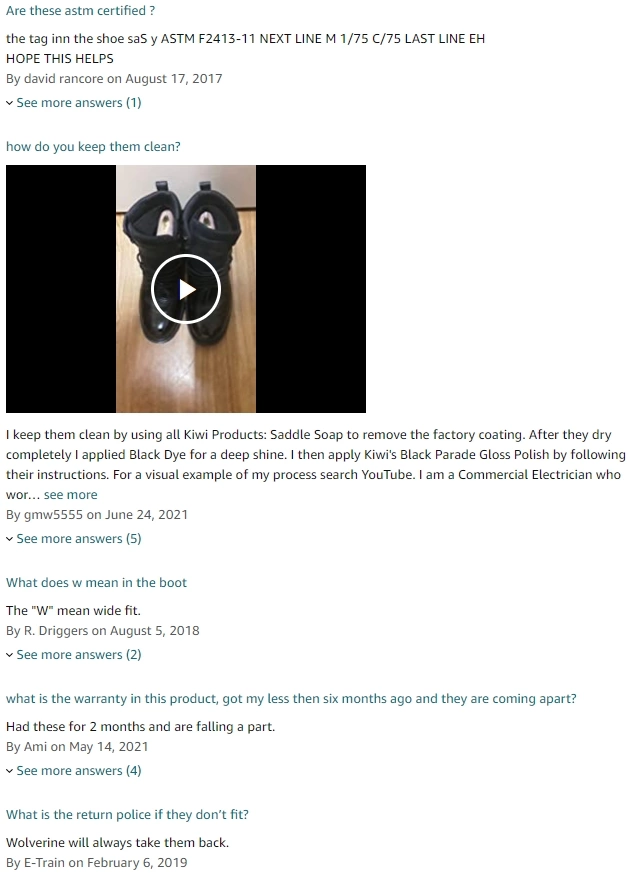
This is simply wrong. The Wolverine Floorhand meets ASTM F2413 safety standards — the benchmark for impact resistance, compression resistance, and electrical hazard protection in occupational footwear. ASTM certification is not a premium feature reserved for expensive boots — it's a baseline requirement, and the Floorhand clears it without issue.
- Steel toe cap rated for 75 ft-lbs of impact protection
- Compression resistance up to 2,500 lbs
- EH (Electrical Hazard) rated for secondary protection against open electrical circuits up to 600V in dry conditions
Myth 2: Waterproofing at This Price Is Just Marketing Language
Our team tested the Floorhand's waterproof full-grain leather upper in wet conditions across multiple weeks. In moderate rain and standing water up to ankle height, the membrane performed consistently. Extended submersion eventually allows moisture in — but that's true of nearly every waterproof work boot regardless of price tier. The Floorhand's waterproofing is legitimate protection for everyday work environments, not just a label printed on the box.
Myth 3: Steel Toes Always Feel Significantly Heavier Than Composite
This comparison comes up constantly in discussions about steel toe vs. composite toe work boots. Steel does add weight, but the Floorhand keeps overall boot weight at approximately 2.7 lbs per boot. For a 6-inch waterproof steel-toe construction, that's competitive. Most workers transitioning from composite-toe designs won't notice a meaningful weight difference after the first week of wear.

Wolverine Floorhand Work Boots Review: Key Features Explained
Our team breaks the Floorhand down into its core components — construction, safety certifications, and comfort architecture — to give a clear picture of what buyers are actually getting for the price.
Upper Construction and Materials
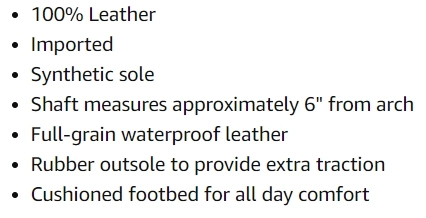
- Full-grain waterproof leather upper — naturally durable, abrasion-resistant, and holds up well to job site exposure
- Nylon mesh lining — breathable interior that reduces heat buildup during long shifts
- 6-inch shaft height — provides solid ankle support without restricting natural movement
- Speed-hook lacing system — allows quick on/off without losing lace tension through a full day's wear
The leather quality on the Floorhand is notably strong for the price. Our team's hands-on inspection found no significant inconsistencies in stitching or material thickness. When comparing the upper to other boots across the range of common work boot types, the Floorhand's full-grain leather sits at the higher end for its category.
Safety Ratings and Toe Protection
| Safety Feature | Standard | Floorhand Rating |
|---|---|---|
| Impact Resistance | ASTM F2413-18 I/75 | Meets standard |
| Compression Resistance | ASTM F2413-18 C/75 | Meets standard |
| Electrical Hazard | ASTM F2413-18 EH | Meets standard (dry conditions) |
| Slip Resistance | ASTM F2913 | Meets standard |
| Waterproofing | Full-grain leather + membrane | Functional in moderate conditions |
| Construction Method | Cement bonded | Lightweight; not resolvable |
Comfort and Insole System
The Floorhand uses a removable cushion insole over a contoured footbed. It's not a premium orthopedic system, but it provides adequate cushioning for 8–10 hour shifts on concrete or hard surfaces. The MultiShox heel and rubber outsole work together to absorb ground impact throughout the day.
- Removable insole — fully compatible with aftermarket orthotics for workers needing additional arch support
- Nylon shank — adds torsional rigidity without creating excessive stiffness through the midfoot
- Rubber lug outsole — oil- and slip-resistant, ASTM-rated, with good grip on wet surfaces
Our team found that workers with flat feet or high arches consistently report more satisfaction after swapping in a quality aftermarket insole. The stock option is serviceable, but it's not exceptional — and the Floorhand's footbed cavity accommodates most standard orthotic thicknesses without issue.
Long-Term Durability and Value
Budget boots live or die by how well they hold up past the six-month mark. Our team examined long-term user feedback, construction choices, and how the Floorhand compares to other Wolverine models like the Wolverine Buccaneer on durability metrics over sustained daily use.
Sole and Outsole Performance
The rubber outsole is one of the Floorhand's strongest attributes. Understanding different types of boot soles puts this in useful context — the Floorhand uses cement construction, where the outsole is bonded to the upper rather than stitched. This makes the boot lighter and more flexible than Goodyear welt options, but it also means resoling isn't practical at end of life.
- Lug pattern provides strong grip on wet concrete, gravel, and oily surfaces
- Oil-resistant compound holds up well in light chemical exposure environments
- Typical outsole lifespan: 12–18 months under daily use in demanding conditions
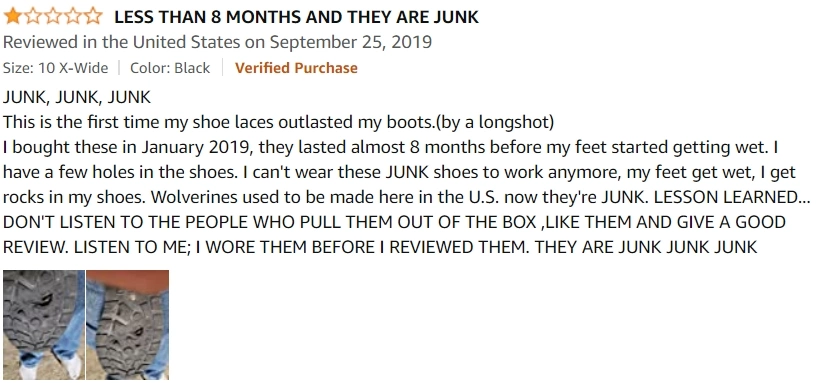
- Heel lug degradation is the first visible wear indicator — typically appearing around the 12-month mark under heavy daily use
Waterproof Membrane Longevity
Waterproof membranes in bonded leather boots degrade over time — particularly when exposed to harsh cleaners, sustained dry heat, or constant flex stress at the toe box. The Floorhand's membrane stays effective significantly longer when the leather upper is conditioned on a regular schedule.
- Membrane failure most commonly starts at flex points near the toe box and along the instep crease
- Early warning sign: dampness at the toe after brief water exposure that previously caused no penetration
- Conditioning with mink oil, neatsfoot oil, or a dedicated boot conditioner every 4–6 weeks extends waterproof life substantially
Step-by-Step: Breaking In and Maintaining Floorhand Boots
New Floorhand boots need a proper break-in period. Skipping it leads to blisters, pressure points, and premature sole deformation. Our team recommends a structured approach that protects both the wearer and the boot's construction.
The Break-In Process
- Apply leather conditioner before first wear — this softens the upper and reduces initial stiffness significantly, shortening the overall break-in timeline
- Wear the boots for 2–3 hours on day one — start with low-intensity activity to allow the leather to begin conforming to foot shape naturally
- Increase wear time by 1–2 hours per day across the first week — gradual progression prevents friction hotspots from developing into blisters
- Wear moisture-wicking work socks throughout the break-in period — these reduce friction and help mold the footbed to individual foot contours
- Avoid heavy rain or submersion during the first two weeks — the waterproof membrane performs best after the leather has had time to flex and seat properly around the foot
Most people find the Floorhand's break-in period runs approximately 5–7 days of active wear. The leather upper is relatively supple from the factory, which accelerates the process compared to stiffer competitors in the same price class.
Ongoing Boot Care
Proper maintenance extends Floorhand lifespan from 12 months to potentially 18–24 months under the same working conditions. The effort involved is minimal — roughly 10 minutes every few weeks. For workers curious about how care routines differ by material type, our breakdown of leather vs. synthetic work shoe materials covers that ground thoroughly.
- Clean after every demanding shift — wipe with a damp cloth after muddy or wet conditions; use a soft bristle brush for dried-on dirt before conditioning
- Condition the leather every 4–6 weeks with mink oil, neatsfoot oil, or a dedicated boot conditioner — this preserves both suppleness and the waterproof membrane
- Dry boots naturally at room temperature — never use a direct heat source; heat causes leather to crack, adhesive bonds to fail, and midsoles to warp
- Inspect lace hooks and stitching monthly for signs of wear or loosening — catching these early prevents more costly failures
- Replace the stock insole every 6–9 months, or when cushioning noticeably flattens under foot pressure
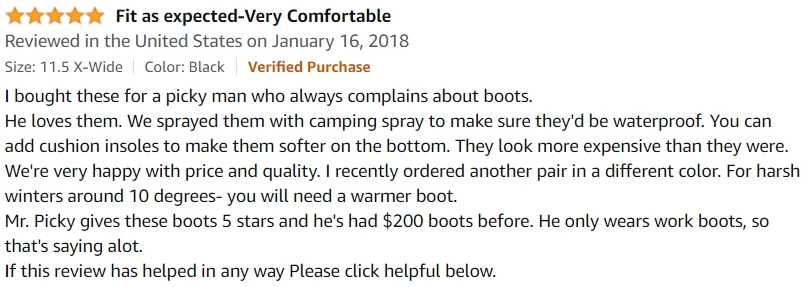
One of the most common complaints our team encounters in verified user reviews is premature leather cracking — nearly always caused by skipping conditioning. The Floorhand's upper responds well to regular care and ages gracefully when treated properly.
Trades and Work Environments Where the Floorhand Excels
The Floorhand is a versatile mid-range boot, but it genuinely excels in specific environments. Matching the right boot to the right job matters — buying the wrong tool wastes money and can compromise on-site safety.
Best Fit Scenarios
Our team identifies the following as ideal working environments for the Floorhand:
- Manufacturing floors — the steel toe, EH rating, and ASTM-rated slip-resistant outsole cover the primary hazards in most factory and production settings
- Warehousing and logistics — the cushioned footbed handles extended walking on concrete effectively through full shifts
- Light-to-medium construction — adequate ankle support and waterproofing for outdoor job sites in moderate weather conditions
- General electrical work — EH certification provides meaningful secondary protection; workers should always verify site-specific PPE requirements regardless of boot rating
- Multi-trade work — the combination of safety certifications and all-day comfort fits the broad range of tasks most tradespeople encounter in a typical week
Where Other Options Make More Sense
The Floorhand has clear limits. Our team recommends looking at alternatives when the following conditions apply:
- Sustained heavy chemical exposure is routine — cement construction and standard full-grain leather are not rated for chemical-resistant duty
- Extreme cold environments require insulated footwear — the Floorhand has no insulation rating and won't provide adequate thermal protection in freezing conditions
- Logging, roofing, or heavy structural work is the primary task — purpose-built logger boots offer substantially better ankle support, shank reinforcement, and sole protection for those high-demand applications
- A resolvable boot is the priority for long-term cost management — Goodyear welt construction found in higher-priced options is the correct investment in that scenario
Mistakes That Cut Work Boot Lifespan Short
Our team has seen workers get excellent mileage from Floorhand boots — and others wear them out in four months. The difference almost always comes down to avoidable errors in sizing, fit, and care habits.
Sizing and Fit Errors
Getting sizing wrong is the most costly mistake anyone can make with this boot. The Floorhand runs true to size for most people, but width options are critical:
- Available in Medium (D) and Wide (EW) — workers with wide feet who order medium width will experience toe box crowding, which accelerates lining wear and causes persistent discomfort
- Ordering a half size up is advisable for anyone between sizes — the steel toe box has limited vertical clearance, and thick work socks reduce available room quickly
- Measuring both feet and sizing to the larger one prevents binding — most people have a slight size difference between feet that becomes noticeable inside a steel-toe box
- Trying boots on later in the day when feet are naturally slightly swollen gives a more accurate fit reading for all-day comfort
Neglecting Boot Care
The second most damaging mistake is treating work boots as disposable items requiring no maintenance. The Floorhand's materials respond strongly to basic care — and fail noticeably faster without it.
- Skipping conditioning causes the leather to dry, crack, and separate at flex points — often within six months of daily wear in dry or low-humidity environments
- Drying boots on a heat register, near a furnace, or under direct sunlight destroys adhesive bonds and warps the midsole — our team documents this failure pattern repeatedly in user feedback
- Wearing boots past their safe service life introduces real slip risk — don't delay replacement when the lug pattern wears flat or smooth
- Not rotating between two pairs significantly reduces individual boot lifespan — boots need 24–48 hours to fully dry and the EVA cushioning to recover between heavy-use days
Frequently Asked Questions
Are Wolverine Floorhand boots true to size?
Our team found the Floorhand runs true to size for the majority of people, but width selection is critical. Workers with wide feet should choose the Wide (EW) option rather than sizing up in length. For those between sizes, ordering a half size up is the safer call — it accommodates thicker work socks and accounts for the space constraints of the steel toe box.
How long do Wolverine Floorhand boots typically last?
Under regular daily use in demanding work environments, most people see 12–18 months of reliable service. Workers who condition the leather consistently and rotate between two pairs regularly report lifespans closer to 18–24 months. The outsole's heel lug degradation is typically the first sign that replacement is approaching.
Are the Floorhand boots genuinely waterproof?
The full-grain leather upper combined with the waterproof membrane performs reliably in moderate wet conditions — light rain, puddles, and wet concrete floors. Extended submersion over several hours will eventually allow moisture in, which is consistent with most waterproof boots in this class. Regular leather conditioning is the most important factor in preserving the membrane over time.
Can the insoles be replaced with aftermarket orthotics?
Yes — the Floorhand uses a removable insole that accommodates standard aftermarket orthotics without modification. Workers dealing with flat feet, plantar fasciitis, or high arches consistently report improved all-day comfort after upgrading the stock insole. The footbed cavity has sufficient depth for most low-profile orthotic options available from major brands.
How does the Floorhand compare to other Wolverine models?
The Floorhand is Wolverine's entry-level waterproof steel-toe option. Compared to the Wolverine Buccaneer, the Floorhand offers comparable safety certifications at a lower price with slightly less premium leather construction and a lighter build overall. Workers who need a more rugged, resolvable, or longer-lasting boot should look at Wolverine's mid-tier and upper-tier lines.
Is the Wolverine Floorhand suitable for electrical work?
The Floorhand carries an EH (Electrical Hazard) rating under ASTM F2413, certifying it as secondary protection against open electrical circuits up to 600V in dry conditions. This is adequate for most general electrical trade work. Workers in high-voltage or specialized electrical environments should confirm site-specific footwear requirements with their safety officer before relying solely on the boot's EH rating.
Key Takeaways
- The Wolverine Floorhand delivers legitimate ASTM-certified steel-toe, EH-rated, and slip-resistant protection at an accessible price point — making it one of the most practical options available for budget-conscious tradespeople who refuse to compromise on safety fundamentals.
- Waterproofing and leather quality genuinely exceed expectations for the price, but consistent conditioning every 4–6 weeks is non-negotiable for maintaining both the waterproof membrane and the upper's structural integrity over the long term.
- The boot suits manufacturing, warehousing, light construction, and general trade work best — workers in heavy-duty, chemical-intensive, or extreme-temperature environments should evaluate purpose-built alternatives before committing.
- Selecting the correct width — particularly the Wide (EW) option for those who need it — and completing a structured 5–7 day break-in are the two factors our team identifies as most predictive of whether owners end up satisfied or disappointed with this purchase.


About James Miller
James Miller is a dedicated individual based in the vibrant city of San Francisco, CA, USA. His unwavering passion lies in the realm of construction, where he finds fulfillment in exploring and documenting various facets of construction equipment and processes. A graduate of the University of California Merced, James holds a dual degree in mechanical and electrical engineering, which has equipped him with a solid foundation in technical knowledge.With a keen eye for detail and a knack for articulation, James has channeled his enthusiasm into writing about the intricacies of construction gear and methodologies. His insightful writings offer valuable insights to both industry professionals and curious enthusiasts, shedding light on the machinery and techniques that shape the built environment.James Miller's educational background in mechanical and electrical engineering lends credibility to his work, allowing him to delve into the technical nuances of construction with precision. His passion for sharing knowledge and fostering understanding in the construction field is evident in his contributions, making him a respected voice in the industry.
Get FREE Boots Gifts now. Or latest free toolsets from our best collections.
Disable Ad block to get all the secrets. Once done, hit any button below