Ever slipped on a brand-new pair of cowboy boots and immediately regretted the purchase? Learning how to break in cowboy boots the right way separates the workers and riders who swear by their boots for decades from the ones who abandon them after a single painful shift. The break-in process is real, it demands patience, and bypassing it results in blisters, pinched toes, and potentially damaged leather — but executed correctly, your boots will conform precisely to your feet and outlast a dozen cheaper pairs. This guide, part of our boot tips and guides series, covers every proven technique, a realistic cost breakdown, and clear solutions to the most stubborn break-in problems you will encounter.
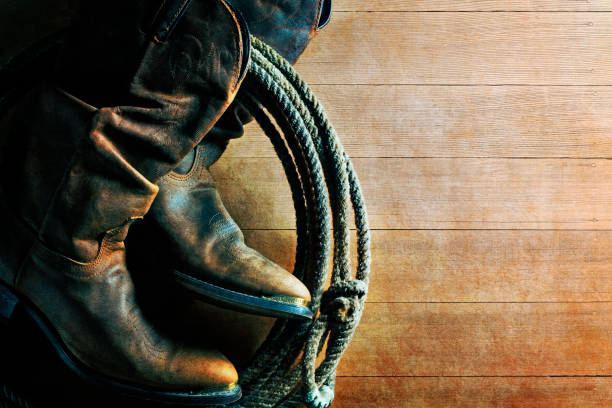
Cowboy boots are built from full-grain or exotic leather that is thick, structured, and engineered to hold its shape under hard, demanding use — which is exactly why they resist conforming to your foot during the first several wears. Their centuries-old design features a narrow toe box, a stacked heel, and a rigid shank that transfers weight efficiently across a stirrup, and that same architecture requires a deliberate break-in protocol before it accommodates the unique contours of your foot.
The timeline varies based on leather type, construction quality, and how consistently you wear them, but most quality leather cowboy boots reach full comfort somewhere between two and six weeks of regular use. Understanding why they require breaking in — and what actually happens to the leather fibers during that process — will help you choose the right methods and avoid the shortcuts that damage boots permanently.
Contents
- Why Breaking In Cowboy Boots Takes Real Effort
- What Happens When You Skip the Break-In Period
- How to Break In Cowboy Boots: Proven Step-by-Step Methods
- What Breaking In Cowboy Boots Costs You
- Break-In Method Comparison
- Who Should Use Which Break-In Technique
- Troubleshooting the Hardest Break-In Problems
- Frequently Asked Questions
Why Breaking In Cowboy Boots Takes Real Effort
The Science Behind Stiff Leather
Full-grain leather is made of densely packed collagen fibers that are remarkably strong, water-resistant, and durable when new, but those same fibers need repeated flexion and moisture exposure to loosen and move naturally with your foot. When a boot is constructed, the leather is shaped, dried, and held rigid by cements, welts, and insoles — all of which compound the initial stiffness you feel during the first few wear sessions. The break-in process works on multiple layers simultaneously, with the outer leather shell, the lining, the insole, and the midsole all needing to compress and flex together before the boot stops fighting your natural walking stride.
- Collagen fibers in new leather are tightly cross-linked and resist bending under load
- Leather insoles mold progressively to your arch and heel pad over time, which dramatically improves heel fit
- Cement-lasted boots break in faster than Goodyear-welted boots, but welted construction outlasts them significantly once the break-in is complete
- Exotic leathers like ostrich and caiman break in faster than cowhide due to their natural oil content and looser fiber structure
How Construction Affects Break-In Time
The construction method your boots use is the single biggest predictor of how long the break-in will take, and knowing this upfront prevents a lot of unnecessary frustration. Goodyear-welted cowboy boots — which use a strip of leather stitched through both the upper and the insole — are the most durable and resolable option available, but their triple-layer rigidity means you need to commit to a more patient and deliberate break-in protocol before they deliver on their comfort potential.
- Goodyear welt: 3–6 weeks to full comfort; extremely durable and resolable for decades of use
- Cement lasted: 1–3 weeks; faster break-in but significantly shorter service life overall
- Handmade or custom: varies widely; often faster since the last was shaped to your specific measurements
- Stitch-down construction: moderate break-in timeline, common in working ranch-style cowboy boots
What Happens When You Skip the Break-In Period
Blisters and Pressure Points
Wearing stiff, unbroken cowboy boots for a full day of walking, standing, or riding creates immediate and painful consequences that you don't want to learn about firsthand. The heel counter — the rigid cup at the back of the boot — will dig into your Achilles tendon before it softens and conforms, and the seam lines inside the shaft will rub against your calf and shin with every stride you take. Most wearers develop blisters within the first two hours of extended wear in unbroken boots, and those blisters often extend the total break-in timeline because you're forced to rest and recover while they heal.
- Heel blisters from rigid heel counter friction against the Achilles
- Pinky-toe blisters from a narrow, unyielding toe box pressing laterally
- Calf and shin abrasion from stiff shaft edges during every step
- Ball-of-foot pain from an insole that hasn't yet compressed to support your arch
Wearing quality work boot socks during the break-in period is one of the most effective ways to cushion friction points and reduce blister formation, and thick wool or merino socks add enough padding to make those first few wearing sessions genuinely manageable rather than brutal.
Long-Term Foot Problems
Beyond blisters, forcing full-day wear in stiff unbroken boots without any gradual adaptation protocol creates structural foot problems over time, particularly when you're on your feet for eight or more hours per shift. The rigid toe box restricts the natural splay of your toes with every heel strike, which places repetitive stress on the metatarsal heads and can aggravate or accelerate conditions like bunions and metatarsalgia. Plantar fasciitis is another common outcome of prolonged wear in unyielding footwear — if you're already managing arch or heel pain alongside a new pair of boots, the guide to the best work boots for sore feet covers your options in detail.
How to Break In Cowboy Boots: Proven Step-by-Step Methods
The Wear-and-Rest Method
The most reliable approach to breaking in cowboy boots is the incremental wear-and-rest method, which works with the leather's natural softening process rather than forcing it artificially with heat or excessive moisture. This method produces the most personalized fit because the leather responds directly to your foot's unique pressure points rather than conforming to a generic boot stretcher or a uniform stretch spray pattern.
- Days 1–3: Wear the boots for 1–2 hours around the house, then allow them to rest for at least 24 hours between sessions so the leather dries and settles into position
- Days 4–7: Extend to 3–4 hours of wear, alternating with rest days and walking on varied surfaces including stairs to flex the sole in multiple planes simultaneously
- Week 2: Move to half-day wear of 4–6 hours, monitoring for new pressure points and addressing them immediately with the conditioning or stretching techniques listed below
- Weeks 3–4: Transition to full-day wear as comfort permits, and most leather types reach complete break-in by the end of this phase with consistent application
Using Boot Conditioner
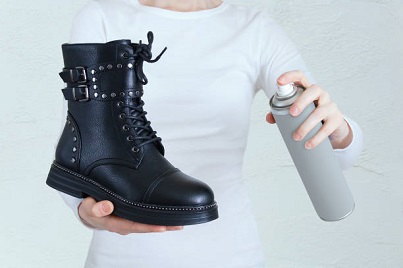
Applying a quality leather conditioner is the single most effective chemical intervention you can make to accelerate the break-in process without risking permanent damage to the leather fibers. Conditioner works by replenishing the natural oils that keep leather supple, and on stiff new leather this translates directly to faster softening and greater flexibility during your wear sessions. Review the boot oil vs. mink oil comparison to understand which product works best for your specific leather type before you apply anything to a valuable pair of boots.
- Apply conditioner to the entire exterior, paying special attention to the vamp and heel counter where initial stiffness is most concentrated
- Work conditioner into seams and welt lines with a soft brush or cotton cloth, using circular motions to drive it into the fiber structure
- Allow the conditioner to absorb for at least 30 minutes before wearing — overnight absorption produces noticeably better results
- Condition once at the start of the break-in period and again at the two-week mark; over-conditioning saturates the fibers and weakens them over repeated applications
Regular conditioning also feeds into your long-term boot maintenance routine — the guide on how often to polish shoes lays out a complete leather care schedule that extends well beyond the initial break-in period.
The Ice Bag and Wet Newspaper Technique

The ice bag method is an effective way to stretch the toe box specifically, using the expansive force of freezing water to gently push the leather outward without the tearing risk that comes from mechanical stretching. This technique works best on the vamp and toe box area and is particularly useful for cowboy boots that fit well in the shaft but are uncomfortably tight across the ball of the foot during those first few wears.
- Fill a zip-lock bag with water until it is about three-quarters full, removing as much air as possible before sealing it firmly
- Insert the bag deep into the toe box of the boot, positioning it firmly against the tightest points of contact
- Place the boot in a protective plastic bag to shield the exterior, then set it in the freezer overnight for 8–10 hours
- Allow the boot to thaw at room temperature for 20 minutes before removing the ice bag — never force a frozen bag out with pressure
- Apply conditioner to the entire toe box area immediately after using this technique, since freezing temporarily draws moisture out of the surface leather
The wet newspaper method works on a similar principle: pack damp but not soaking newspaper tightly into the boot, stuffing it firmly into the toe box, and allow it to dry fully overnight — the paper exerts gentle outward pressure as it expands slightly before compressing back down when fully dry.
Boot Stretchers and Stretch Spray
A two-way boot stretcher is a worthwhile investment if you regularly purchase boots that need toe box width adjustments, and when combined with a commercial leather stretch spray it produces precise, repeatable results without moisture or temperature risks. Insert the stretcher, apply stretch spray to the target area, expand the device to the desired width, and leave it in place for 24–48 hours — most quality leather holds the stretched position after two or three application cycles run back-to-back.
What Breaking In Cowboy Boots Costs You
DIY vs. Professional Stretching
Breaking in cowboy boots doesn't require a significant financial outlay, but understanding the cost landscape helps you decide which combination of tools is proportional to the value of your boots. Most DIY break-in products pay for themselves across multiple pairs of footwear, making the per-use cost negligible after the initial purchase is made.
- Leather conditioner (mink oil or dedicated boot conditioner): $8–$18; sufficient for many applications across several pairs
- Boot stretch spray: $10–$20; covers 10–15 stretch sessions per bottle depending on application volume
- Two-way boot stretcher: $20–$45; reusable indefinitely with proper storage between uses
- Thick break-in socks (wool or merino): $12–$30 per pair; serve double duty as everyday work socks after break-in
- Professional cobbler stretching service: $15–$45 per boot depending on market and complexity
- Total DIY kit cost: $50–$113 for a complete setup covering all primary methods
Professional cobbler stretching is worth every dollar for boots priced above $400 or for any handmade pair where DIY experimentation carries real risk of irreversible damage to the leather or welt. If the heel or welt is already showing stress cracking before you start the break-in process, consult the boot heels repair guide before attempting any home stretching that could worsen existing structural damage.
Break-In Method Comparison
Side-by-Side Breakdown
Each break-in method suits different situations, leather types, and timelines, and the table below gives you a direct comparison so you can choose the right tool for your specific boots and practical constraints without trial and error.
| Method | Best For | Time Required | Cost | Risk Level |
|---|---|---|---|---|
| Wear-and-Rest | All leather types; most personalized fit result | 2–6 weeks | Free | Very Low |
| Leather Conditioner | Stiff full-grain cowhide; new exotic leathers | Overnight + wear | $8–$18 | Very Low |
| Ice Bag Method | Tight toe box; forefoot width expansion | 8–12 hours | Free | Low |
| Wet Newspaper | General toe box volume expansion | 12–24 hours | Free | Low |
| Boot Stretcher + Spray | Precise width and length adjustments | 24–48 hours per cycle | $30–$65 | Low–Medium |
| Professional Cobbler | Exotic leather; high-value or handmade boots | 1–3 days | $30–$90 | Very Low |
Who Should Use Which Break-In Technique

For Daily Work Wear
If you're purchasing cowboy boots as your primary footwear for a trade, ranch, or outdoor labor role, the wear-and-rest method combined with daily conditioning is your most practical protocol, since you need the boots functional and comfortable as quickly as possible without sacrificing the custom fit that sustained daily wear ultimately demands.
- Ranch and farm workers: focus conditioning on the vamp and heel counter, wear for half-days during week one, and advance to full-day wear by the start of week two
- Construction and trades workers: combine boot stretcher use for toe box width — especially important with steel-toe or safety-toe construction — and wear-and-rest for shaft comfort
- Equestrian and rodeo riders: the stirrup contact point along the arch is the critical fit zone; condition the shank area and ride in shorter sessions initially, building up gradually over two weeks
- Outdoor laborers and fence workers: layer in thick socks during the first two weeks and run overnight stretcher sessions to open the width without the added stress of full-day wear on unbroken boots
For Occasional or Dress Wear
If your cowboy boots are reserved for weekends, special events, or occasional outings, the timeline pressure is lower but the blister risk is actually higher, because your feet don't receive the daily incremental adaptation that continuous wear accelerates. For occasional wearers, the ice bag method plus conditioning is the fastest way to prepare boots for a specific event, and you should complete the protocol at least one full week before the event to allow for any necessary touch-up adjustments.
- Run the ice bag technique 7–10 days before the event you're preparing for, allowing full recovery time
- Wear the boots at home for 2-hour sessions on at least three separate days after stretching to lock in the new shape
- Apply conditioner after each home wear session to preserve the stretch gains and prevent the leather from contracting back
- Carry a blister kit for the event regardless — even well-broken-in dress cowboy boots can create friction on long event days with unfamiliar terrain
Troubleshooting the Hardest Break-In Problems
Persistent Heel Slippage
Heel slippage during the first few weeks is not a defect — it is an expected characteristic of cowboy boot construction, where the heel is intentionally designed to slip about 3/8 of an inch before the boot is fully broken in, because the insole needs time to compress and create a snug heel pocket around your foot. If heel slippage persists beyond three weeks of regular wear, the boot is likely one size too long, and no amount of break-in time will correct that fundamental sizing error once the leather has fully set.
- Insert an adhesive heel grip pad inside the heel counter to add friction while the insole is still compressing to your shape
- Wear thicker socks during the break-in period to fill excess volume in the heel cup and reduce the slippage amplitude
- Avoid highly cushioned aftermarket insoles during break-in since they push your foot upward and out of the heel pocket rather than allowing it to settle in naturally
Toe Box Pain
Toe box pain in cowboy boots almost always originates from lateral width rather than length, since the narrow pointed or square toe design compresses the forefoot sideways rather than pressing directly on the tip of your toes. If your pinky toe or the ball of your foot is the primary pain point, the ice bag method combined with a two-way stretcher targeting the forefoot width resolves the problem in the majority of cases without any professional intervention required.
- Apply stretch spray to the entire vamp before inserting the stretcher to prevent cracking under the tension load
- Run two back-to-back 48-hour stretcher sessions with a home wear test between them to assess incremental progress accurately
- If pain persists after two full stretcher cycles, consult a cobbler — the toe box last may simply be incompatible with your foot shape, and a cobbler can ball-and-ring stretch specific pressure points with far more precision than any home device
Leather That Won't Soften
Very thick, heavily tanned leather — common in certain Western heritage brands and some exotic constructions — can resist conventional conditioning and wear-and-rest protocols, requiring a more targeted intervention to initiate the softening process. The combination of gentle heat and conditioner applied in sequence is the most effective solution: warm the target area with a hair dryer set on low for 30 seconds, immediately apply conditioner to the warmed leather, and flex and bend the area by hand for two minutes before putting the boots on for a wear session.
- Never apply heat above 140°F to leather — it will dry out, shrink, and crack in a way that is not reversible
- Repeat the heat-and-condition cycle on three consecutive days before assessing whether progress is sufficient
- Full-grain cowhide responds to this method within 3–5 sessions; if it doesn't, the boots may have a synthetic lining or heavy resin finish that is physically blocking conditioner absorption
- If surface cracking is already present, stop all break-in attempts and address the damage first before applying any additional stress to the leather
Frequently Asked Questions
How long does it take to break in cowboy boots?
Most quality leather cowboy boots reach full comfort between two and six weeks of regular wear, depending on construction method, leather type, and how consistently you wear them during that period. Goodyear-welted boots take longer than cement-lasted boots, and exotic leathers like ostrich break in faster than thick full-grain cowhide. Using conditioner from day one and following the wear-and-rest protocol accelerates the timeline considerably without risking damage to the leather structure.
Is it normal for cowboy boots to hurt at first?
Yes — some discomfort during the first several wears is completely normal and expected, particularly around the heel counter, the toe box edges, and wherever the shaft meets your calf. However, sharp localized pain or numbness is a sign that the boot is the wrong size or the wrong last shape for your foot, not simply a break-in issue that more wear will fix. Blisters during the first two weeks are common and manageable with thick socks and incremental wear sessions, and they resolve as the boot conforms to your foot shape.
Can I speed up the break-in process using water?
Soaking the exterior of cowboy boots in water and wearing them until they dry is a method some people use, but it carries genuine risk of water staining, salt deposits, and accelerated leather degradation — especially on exotic leathers with sensitive surface finishes. The ice bag method achieves the same stretching effect with far lower risk by isolating the moisture inside a sealed bag, and conditioning delivers the internal fiber hydration the leather needs without saturating the exterior surface at all.
What socks should I wear when breaking in cowboy boots?
Thick merino wool or heavy cotton socks work best during the break-in period because they add padding over friction points, reduce blister formation, and fill excess volume in the shaft and heel cup while the insole is still compressing to your arch profile. Avoid thin dress socks for the first two weeks of wear — they offer zero protection against the seam lines and heel counter edge, which are the two most common blister sources in new cowboy boots. Once the boots are fully broken in, transition to lighter socks based on the demands of your work environment.
Do boot stretchers actually work on cowboy boots?
Yes — a two-way boot stretcher combined with a quality leather stretch spray is one of the most precise and reliable methods for expanding toe box width and overall forefoot volume in cowboy boots. The key is applying stretch spray first to soften the fibers before applying any mechanical tension, then running two or three 48-hour stretching cycles with wear tests between each one to monitor cumulative progress. Boot stretchers are most effective on smooth cowhide and full-grain leathers; use extra caution on exotic leathers and consult a cobbler for any significant stretching need above half a size.
The boots that fit you best aren't the ones you bought — they're the ones you earned through the break-in.


About James Miller
James Miller is a dedicated individual based in the vibrant city of San Francisco, CA, USA. His unwavering passion lies in the realm of construction, where he finds fulfillment in exploring and documenting various facets of construction equipment and processes. A graduate of the University of California Merced, James holds a dual degree in mechanical and electrical engineering, which has equipped him with a solid foundation in technical knowledge.With a keen eye for detail and a knack for articulation, James has channeled his enthusiasm into writing about the intricacies of construction gear and methodologies. His insightful writings offer valuable insights to both industry professionals and curious enthusiasts, shedding light on the machinery and techniques that shape the built environment.James Miller's educational background in mechanical and electrical engineering lends credibility to his work, allowing him to delve into the technical nuances of construction with precision. His passion for sharing knowledge and fostering understanding in the construction field is evident in his contributions, making him a respected voice in the industry.
Get FREE Boots Gifts now. Or latest free toolsets from our best collections.
Disable Ad block to get all the secrets. Once done, hit any button below