Wolverine Men's Buccaneer Work Boot: Features, Comfort & Safety Guide
by Jason Flores
Foot injuries account for roughly 60,000 workplace incidents in the United States every single year, according to the Occupational Safety and Health Administration — and the boots you wear are your first line of defense against that statistic. If you're considering your next pair of job-site footwear, this Wolverine Buccaneer work boot review gives you the full picture before you spend a cent. From distribution centers to light construction sites, the Buccaneer has earned a steady following among tradespeople who want genuine leather quality without a premium price tag. You'll find this review alongside dozens of other tested picks in our work boot reviews section.
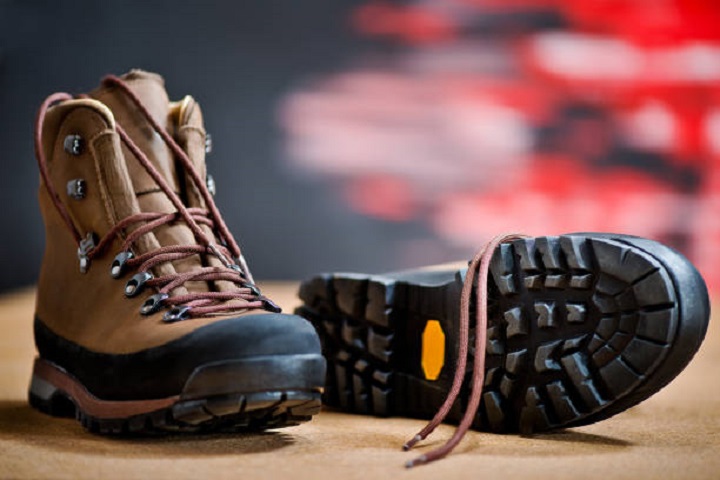
Wolverine has been building work footwear since 1883, and that manufacturing history shows in how the Buccaneer is put together. This is a focused boot. It targets workers who need reliable slip resistance, a certified steel toe, and the durability of full-grain leather — all at a price point that doesn't require justifying to your accountant. It doesn't try to be a waterproof hiking boot or a logger. It does a specific job, and it does it consistently.
This review breaks down the construction, safety ratings, fit quirks, and ideal use cases. You'll also get a head-to-head comparison against similar boots and a clear answer on who should buy the Buccaneer — and who should keep looking.
Contents
Wolverine Buccaneer Work Boot Review: Key Features Unpacked
The Buccaneer is a 6-inch lace-up work boot built on a full-grain leather upper with a padded collar and tongue. The silhouette is classic and low-profile — no exaggerated lug sole, no tactical styling. What you get is a boot designed to perform on hard floors and light outdoor terrain day after day without demanding constant attention.
Upper Construction and Materials
Full-grain leather is the right material choice for a working boot at this price tier. It resists abrasion, develops a protective patina over time, and holds up to repeated conditioning far better than synthetic uppers. The Buccaneer's leather is reinforced at high-stress zones — the toe box, heel counter, and welt line all show noticeably thicker stitching.
The construction method is cement bond, not Goodyear welt. That's worth understanding before you buy:
- Cement construction keeps the boot lighter and more flexible than a welted boot from day one
- The tradeoff is that resoling isn't practical — when the outsole wears out, you replace the boot
- For most workers going through one to two pairs per year, this is a non-issue
- The rubber outsole features a lug pattern rated for slip resistance on wet concrete and smooth indoor surfaces
The outsole isn't aggressive enough for serious mud or loose rock. It handles wet warehouse floors, damp concrete, and light outdoor walking without drama. Push it into genuinely technical terrain and you'll feel its limits.
Safety Toe and Protection Ratings
The Buccaneer ships with a steel safety toe that meets ASTM F2413 standards for both impact resistance (I/75) and compression resistance (C/75). If you're still deciding whether steel or composite is the better fit for your specific role, our detailed guide to steel toe vs. composite toe work boots covers the tradeoffs in full.
The boot also carries an electrical hazard (EH) rating — tested to reduce shock risk from accidental contact with energized circuits up to 600 volts under dry conditions. For electricians, HVAC techs, and utility workers, that rating is often a job-site requirement rather than a nice-to-have.
What the Buccaneer does not include:
- Puncture protection (no PR/metatarsal rating) — no steel midsole
- A waterproof membrane — the leather resists light moisture but not sustained wet conditions
- Insulation — this is a three-season boot in cold climates
How the Buccaneer Measures Up: A Direct Comparison
Context matters when you're evaluating a work boot. Here's how the Buccaneer stacks up against a few well-known alternatives at similar price points. Numbers reflect typical specifications across standard models — always verify current specs before purchasing.
| Boot | Toe Type | EH Rated | Waterproof | Construction | Weight (per boot) |
|---|---|---|---|---|---|
| Wolverine Buccaneer | Steel | Yes | No | Cement | ~28 oz |
| Timberland Pro Boondock | Composite / Steel | Yes | Yes (select) | Cement | ~32 oz |
| Skechers Workshire | Steel | Yes | No | Cement | ~24 oz |
| Stanley Dredge | Steel | Yes | No | Cement | ~27 oz |
The Buccaneer sits in the middle of this group on weight and is the only one of these four built on full-grain leather as a standard feature. If waterproofing is your top requirement, the Timberland Pro Boondock pulls ahead. If raw weight matters most, the Skechers Workshire has the edge. For leather quality at a competitive price, the Buccaneer leads the comparison.
Fit, Sizing, and Width Options
The Buccaneer runs true to size for most wearers. Wolverine offers this model in standard (D) and wide (W) widths — and if you have a broader foot, order the W. The standard width trends toward the narrower end of medium, and squeezing a wide foot into a D-width steel toe boot is a recipe for long-term discomfort and toe problems. If you've ever dealt with skin irritation from poorly fitting footwear, our post on what causes skin splitting under toes explains exactly why fit matters beyond simple comfort.
The steel toe box is proportional rather than generous. You'll have adequate room but not the spacious feel of some work boots with wider toe caps. Most wearers adjust within the first week.
Getting the Most Out of Your Buccaneer Boots
A cement-constructed leather boot has a predictable lifespan — and how long it actually lasts depends heavily on how you treat it. The Buccaneer isn't high-maintenance, but it does reward basic care with noticeably longer service life.
Break-In Period and Leather Care
Expect two to four days of mild stiffness before the leather starts conforming to your foot. Don't try to accelerate this with heat or excessive moisture — let the natural break-in process do its work. Once the boot loosens up, most wearers describe the fit as secure but not constricting.
For ongoing care:
- Apply a leather conditioner after the first week of wear, then every four to six weeks depending on how hard your environment is on the boots
- Wipe debris and moisture off the uppers at the end of each shift — leaving wet leather to dry dirty accelerates cracking
- Rotate between two pairs if your budget allows; leather needs 24 hours to dry fully between wears
- Store them away from direct heat sources, which dries out the leather faster than normal wear
Because the Buccaneer uses cement construction, resoling isn't a realistic option. When the outsole wears through, replace the boot rather than trying to repair it. Factor that into your annual footwear budget.
Matching the Boot to Your Job Site
The Buccaneer has a clear sweet spot. It performs best in:
- Warehouse and distribution center work — hard floors, frequent standing, light outdoor loading dock use
- Electrical and HVAC trade work — the EH rating covers you on most residential and commercial job sites
- Facilities maintenance and light industrial environments
- Carpentry and interior construction where you're on a solid subfloor most of the day
For more demanding outdoor applications — roofing, heavy construction, logging — you'll want a boot with a more aggressive outsole and ideally a Goodyear welt for durability. Our breakdown of types of work boots is a useful starting point if you're matching footwear to a specific trade.
Is the Wolverine Buccaneer the Right Boot for You?
Most work boots have an ideal buyer profile — and the Buccaneer is no exception. Knowing exactly who this boot serves well (and who it doesn't) saves you from a poor purchase.
Workers Who Will Love It
The Buccaneer consistently works well for:
- Budget-conscious buyers who don't want to sacrifice genuine leather construction for a lower price
- Electricians and utility workers who need an EH-rated boot that meets code requirements on most sites
- Workers spending eight or more hours on concrete floors who need reliable slip resistance and decent underfoot cushioning
- Anyone who wants a clean, professional-looking work boot — the Buccaneer's understated styling reads as professional in most trade environments
The value equation here is straightforward. You're getting full-grain leather, ASTM-rated steel toe protection, and an EH rating at a price point that most branded competitors can't match for the same material quality.
When to Look Elsewhere
Be honest with yourself about your actual working conditions before buying. Skip the Buccaneer if:
- You need puncture protection — there's no steel midsole or PR rating in this model
- Your job involves sustained wet conditions, standing water, or rain exposure throughout the day — the leather resists light moisture but isn't waterproof
- You have very wide feet that require EEE width — Wolverine only offers D and W here
- You want a boot you can resole and wear for five or more years — the cement construction makes that impractical
- You work in freezing temperatures — this boot offers no insulation and gets cold fast in sub-freezing environments
None of these are flaws in the design. They're simply the boundaries of what the Buccaneer is built for. Stay inside those boundaries and the boot delivers consistently.
Frequently Asked Questions
Is the Wolverine Buccaneer waterproof?
The standard Wolverine Buccaneer is not waterproof. The full-grain leather upper resists light moisture and incidental splashing, but the boot does not include a waterproof membrane like Gore-Tex or Wolverine's own DuraShocks waterproofing. If you regularly work in wet environments or standing water, you should look at a boot with a certified waterproof liner rather than relying on the leather alone.
Does the Wolverine Buccaneer meet ASTM safety standards?
Yes. The Buccaneer's steel safety toe meets ASTM F2413 standards for impact resistance (I/75) and compression resistance (C/75). The boot also carries an EH (electrical hazard) rating, tested to reduce the risk of electric shock from contact with energized circuits up to 600 volts under dry conditions. It does not carry a puncture resistance (PR) rating.
How does the Wolverine Buccaneer fit — does it run large or small?
The Wolverine Buccaneer runs true to size for most wearers. Order your normal shoe size. If you have a wider foot, Wolverine offers this model in a wide (W) width, and you should use it — the standard D width trends toward the narrower side of medium. The steel toe box provides adequate but not generous room, and the fit improves noticeably after two to four days of break-in.
Can you resole the Wolverine Buccaneer?
No. The Buccaneer uses cement construction, which bonds the upper and outsole with adhesive rather than a stitch-and-welt method. Cement-bonded boots are not practical to resole. When the outsole wears down significantly, the correct approach is to replace the boot rather than attempt a resole. If longevity and resoling are priorities for you, look for a Goodyear-welted boot instead.
Key Takeaways
- The Wolverine Buccaneer work boot review verdict: it delivers genuine full-grain leather construction, ASTM-certified steel toe protection, and an EH rating at a price point that beats most comparable boots on material quality.
- It's best suited for warehouse work, electrical and HVAC trades, and facilities maintenance — not heavy outdoor environments, sustained wet conditions, or puncture-risk job sites.
- The cement construction keeps the boot light and flexible but rules out resoling, so factor replacement costs into your long-term footwear budget.
- Order true to size and use the wide (W) width option if you have a broader foot — the standard D width is on the narrower end and the steel toe box doesn't forgive a poor fit.


About Jason Flores
Jason Flores is a multi-talented individual whose unique journey has led him to blend his passion for craftsmanship and fashion into a creative endeavor. During his formative years, he found himself immersed in the world of handiwork, spending countless hours in his grandfather's workshop. These early experiences allowed him to develop a deep understanding of practical skills and a keen eye for detail.Simultaneously, Jason harbored an innate love for fashion, drawn to the artistry and self-expression it offers. As he grew older, he recognized the potential to combine his proficiency in craftsmanship with his fashion sensibilities. This realization led him to a path where he began to explore and write about the intersection of fieldwork fashion.
Get FREE Boots Gifts now. Or latest free toolsets from our best collections.
Disable Ad block to get all the secrets. Once done, hit any button below