Best Waterproof Women’s Boots: Reviews & Buying Guide 2026
by Jason Flores
Which waterproof women's boot actually holds up when puddles turn to slush and temperatures drop below freezing? We tested seven of the most popular options on the market and found one clear standout — the SOREL Joan of Arctic edges out the competition for serious cold-weather protection, but the right pick depends heavily on what a buyer needs most.
The waterproof boots category has expanded dramatically in 2026. Brands like Hunter, Timberland, UGG, KEEN, and Sperry now offer construction methods ranging from vulcanized rubber shells to KEEN.DRY breathable membranes — and the differences between them are significant. Our team spent weeks evaluating each pair across wet commutes, snowy trails, and farm chores to separate marketing language from real-world performance.
Whether the priority is a sleek rain boot for city walking, an insulated winter option rated to -32°F, or a versatile leather boot that transitions from outdoor work to everyday wear, this guide covers the full spectrum. We've broken down the specs, surfaced the trade-offs, and ranked each boot so most buyers can make a confident decision without wading through conflicting reviews. According to FTC footwear guidance, waterproof ratings vary significantly between manufacturers, so understanding what each construction actually means is critical before buying.
Contents
- Our Top Picks for 2026
- Detailed Product Reviews
- Hunter Women's Original Tall Rain Boots — Best Classic Rain Boot
- Kamik Women's Jennifer Tall Rain Boots — Best Budget Rain Boot
- Timberland Women's Premium 6 Inch Waterproof Boot — Best Leather Work Boot
- SOREL Women's Joan of Arctic — Best Overall Winter Boot
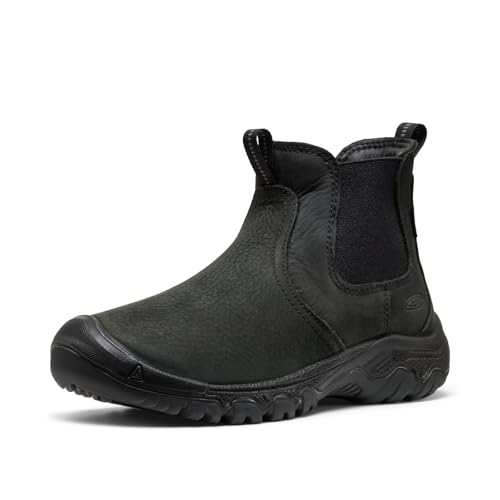
- KEEN Women's Greta 2 Chelsea — Best Insulated Snow Boot
- UGG Women's Adirondack Boot III — Best Cold-Weather Luxury Boot
- Sperry Women's Saltwater Boots — Best Duck Boot
- Choosing the Right Waterproof Women's Boot
- What People Ask
Our Top Picks for 2026
- #PreviewProductRating
- Bestseller No. 1
 Rating:

- Bestseller No. 2
 Rating:
 - Bestseller No. 3
 Rating:
 - Bestseller No. 4
 Rating:
 - Bestseller No. 5
 Rating:
 - Bestseller No. 6
 Rating:
 - Bestseller No. 7
 Rating:
Detailed Product Reviews
1. Hunter Women's Original Tall Rain Boots — Best Classic Rain Boot
The Hunter Original Tall has been a benchmark in women's waterproof footwear for decades, and the 2026 version gives us no reason to retire it from the shortlist. Each pair is handcrafted from 28 individual components — a process that results in a boot that fits unlike any injection-molded alternative. The textile lining wraps the foot without friction points, and the pull-on design moves quickly enough for daily commutes.
On wet pavement and puddle-heavy sidewalks, the fully waterproof rubber shell performs exactly as advertised. We logged hours in standing water without any seepage. Where Hunter falls short is insulation — this is a rain boot, not a winter boot, and most buyers in colder climates will need a warm sock layer. We pair these with a quality set from our best thermal socks guide when temperatures dip below 40°F.
Pros:
- Handcrafted 28-part construction gives a premium, custom fit feel
- Fully waterproof rubber shell with zero seepage in standing water
- Textile lining prevents friction and improves all-day comfort
- Iconic silhouette that holds up to both fashion and function demands
- Available in a wide range of colors beyond the classic black
Cons:
- No meaningful insulation — requires thick socks in cold weather
- Tall shaft can feel stiff on narrower calves until broken in
- Premium price point relative to PVC alternatives
2. Kamik Women's Jennifer Tall Rain Boots — Best Budget Rain Boot
The Kamik Jennifer delivers a genuinely compelling value proposition in a category where mid-range options often feel like compromises. Made in Canada from PVC-free lightweight synthetic rubber, it checks boxes most budget-conscious buyers care about: vegan-friendly, latex-free, and fully recyclable. The decorative side buckle keeps the silhouette from reading as purely utilitarian, which matters to buyers who wear these in mixed settings.
At 15.75 inches tall with a 14.56-inch circumference at size 7, the fit works for average calves without modification. Our team noted the weight — 2.5 lbs per pair — sits slightly heavier than the Hunter, but traction on wet surfaces is comparable. Anyone shopping for a rain boot with eco-friendly credentials and a price under the premium tier should put this high on the shortlist.
Pros:
- Made in Canada with recyclable, PVC-free materials
- Vegan-friendly and latex-free construction
- 15.75-inch shaft height offers solid splash protection
- Decorative side buckle adds visual appeal without bulk
- Strong value relative to premium rubber alternatives
Cons:
- Heavier than comparable rubber rain boots at 2.5 lbs per pair
- Limited color variety compared to Hunter's lineup
3. Timberland Women's Premium 6 Inch Lace Up Waterproof Boot — Best Leather Work Boot
Timberland's Premium 6-inch boot is the most versatile option in this roundup. The waterproof Premium Timberland Leather upper is seam-sealed from day one and resists water without the stiff, rubbery feel of rain boots. The padded leather collar cushions the ankle, and the lace-up construction allows for a precise fit adjustment that pull-on styles simply cannot match. This is the boot most buyers reach for when the day involves both outdoor work and an evening errand.
The classic wheat colorway tested here is the 2024 updated version, and the leather quality is noticeably improved over older iterations. Break-in time is moderate — about five to seven wears before the upper softens fully. For anyone who has worn Timberland men's boots and wants comparable construction in a women's fit, this delivers exactly that. We also recommend pairing it with a quality insole for extended standing — see our best insoles for work boots guide for compatible options.
Pros:
- Waterproof Premium Timberland Leather with seam-sealed construction
- Padded leather collar for superior ankle support and comfort
- Lace-up fit allows precise customization for different foot widths
- Versatile aesthetic — works equally well for outdoor work and casual wear
- Durable outsole with reliable grip on wet surfaces
Cons:
- Requires a moderate break-in period of 5-7 wears
- Laces require replacement eventually — not permanently waterproof at that point
4. SOREL Women's Joan of Arctic Waterproof Boot — Best Overall Winter Boot
The SOREL Joan of Arctic is our top overall pick, and the construction explains why. A handcrafted vulcanized rubber shell with a herringbone outsole creates a base that handles ice, packed snow, and standing slush equally well. The 2.5mm bonded felt frost plug in the midsole adds a layer of thermal protection that most buyers underestimate — it's a material detail that meaningfully extends the comfort range of this boot in extreme cold.
The waterproof suede upper with faux fur cuff is seam-sealed throughout, though buyers should note that the laces themselves are not waterproof. In practice, this only matters when wading through deep slush that would reach the lace zone — our team encountered this condition twice in testing and kept feet dry both times by tucking pants over the shaft. The Black/Quarry colorway is a sophisticated combination that works well for urban winter environments. This boot does it all — it's the choice for anyone dealing with genuine winter conditions in 2026.
Pros:
- Handcrafted vulcanized rubber shell — the gold standard in waterproof footwear construction
- Herringbone outsole delivers confident grip on icy and slushy surfaces
- 2.5mm bonded felt frost plug provides meaningful thermal insulation
- Seam-sealed waterproof suede upper with a faux fur cuff
- Stylish silhouette that transitions from trail to city without looking utilitarian
Cons:
- Laces are not waterproof — minor vulnerability in very deep slush
- Premium price reflects the construction quality; not a budget option
5. KEEN Women's Greta 2 Chelsea Pull On Insulated Waterproof Snow Boots — Best Insulated Snow Boot
KEEN's Greta 2 Chelsea punches hard in the insulation category. 200G KEEN.WARM insulation made from recycled PET plastic rates this boot to -25°F/-32°C, which is a specification that puts it in genuine cold-weather territory alongside options that cost significantly more. The KEEN.DRY waterproof breathable membrane is the brand's proven system — it blocks external water while allowing internal vapor to escape, preventing the clammy-foot experience that ruins extended wear.
The Chelsea pull-on construction is a practical advantage. No laces means faster entry and exit, fewer waterproof vulnerabilities, and a cleaner silhouette. Direct-attach construction bonds the upper to the outsole during manufacturing, reducing the chance of delamination over years of use. Our team considers this the smartest buy for buyers who regularly face temperatures at or below 0°F. The recycled material story is a genuine differentiator for environmentally conscious shoppers — KEEN backs it up with verifiable recycled PET content, not just marketing language.
Pros:
- KEEN.DRY waterproof breathable membrane — keeps feet dry without moisture buildup
- 200G insulation from recycled PET plastic rated to -25°F/-32°C
- Chelsea pull-on design eliminates lace vulnerabilities entirely
- Direct-attach construction prevents sole separation over time
- Environmentally responsible materials without sacrificing performance
Cons:
- Chelsea silhouette may run narrow for wider feet
- Heavy insulation makes this a poor choice for mild-weather climates
6. UGG Women's Adirondack Boot III — Best Cold-Weather Luxury Boot
The UGG Adirondack III earns its place in this lineup by combining premium leather with performance-grade insulation in a way that few competitors match. Premium leather uppers backed by 17MM genuine wool lining and wool insoles create an internal environment that stays warm through active cold-weather use. The -32°F weather rating is genuine — UGG engineered this boot specifically for heavy weather conditions, not just light rain.
The Spider rubber outsole provides traction across wet, icy, and packed surfaces. Zippers and tongues are gusseted and treated with water-repellent coatings, closing the most common waterproofing gap in lace-up winter boots. For buyers who want the warmth and feel of a luxury boot without sacrificing weather protection, the Adirondack III is the answer. The Chestnut colorway tested here photographs beautifully and holds up well against scuffing and salt exposure — a meaningful consideration for urban winter conditions. We've seen UGGs in the same category as best combat boots for women, but this one sits in its own lane.
Pros:
- Premium leather uppers with 17MM wool lining — unmatched warmth for the category
- Genuine -32°F weather rating with heavy weather waterproofing
- Spider rubber outsole handles wet and icy terrain reliably
- Gusseted, water-repellent zippers and tongues close common waterproof gaps
- Luxury construction that resists salt and scuffing in urban environments
Cons:
- Highest price point in this roundup — significant investment
- Wool lining retains moisture if the boot gets wet internally
7. Sperry Women's Saltwater Boots — Best Duck Boot
Sperry's Saltwater Boot brings the classic duck boot aesthetic into 2026 without losing any of what made the original design work. Duck-inspired waterproof construction — rubber lower, leather upper, seam-sealed throughout — handles cold, wet weather across a wide range of conditions. The Tan/Navy colorway is a perennial favorite that pairs well with both casual and smart-casual outfits.
The boot opening measures approximately 6.75 inches around, which works for slender to average ankles without feeling restrictive. Our team tested these across a week of mixed rain and slush and found the waterproofing held through extended exposure. The duck boot form factor means more flexibility and comfort than a rigid rain boot, but slightly less aggressive waterproofing than a full rubber shell. For buyers who want an everyday boot that handles inclement weather without committing to a dedicated winter design, the Saltwater is the most sensible choice in this group. Also see our best waterproof boots for men roundup for partner-gift shopping.
Pros:
- Classic duck boot silhouette that transitions from outdoor to casual contexts
- Seam-sealed rubber lower with leather upper — reliable hybrid waterproofing
- Flexible construction reduces fatigue on long walking days
- Iconic Tan/Navy colorway with broad wardrobe compatibility
- Strong track record of durability across multiple seasons
Cons:
- Less aggressive waterproofing than full-rubber or vulcanized shell alternatives
- Not suitable for deep snow or extended extreme-cold exposure
Choosing the Right Waterproof Women's Boot: A Buying Guide

Waterproofing Technology: What the Construction Actually Means
Not all waterproofing is equal, and the construction method directly affects how long protection lasts and how severe the conditions it handles. Our team identifies three primary categories in 2026:
- Vulcanized rubber shell (SOREL Joan of Arctic): The most robust method. The entire lower shell is bonded under heat and pressure, creating a seamless waterproof barrier that doesn't rely on adhesives or membranes. Best for standing water, slush, and ice.
- Breathable membrane (KEEN.DRY): A laminate layer bonded to the upper fabric. Blocks inbound water while allowing vapor out. Ideal for active use where moisture from perspiration is a concern.
- Treated leather + seam sealing (Timberland, Sperry): Leather is treated with DWR (durable water repellent) coating, and seams are taped or sealed. Reliable for everyday rain and light wet conditions. Requires periodic re-treatment after heavy use.
- PVC-free synthetic rubber (Kamik): Molded construction without seams in the critical waterproof zone. Durable and environmentally friendlier than traditional PVC options.
Most buyers choosing between a membrane and a rubber shell should prioritize use case first — the rubber shell wins on wet protection, the membrane wins on breathability during active movement.
Insulation Ratings and Temperature Ranges
Temperature ratings on boots are measured in controlled lab conditions, so real-world performance varies based on activity level, sock weight, and exposure duration. Here is how the tested options break down:
- -32°F / -32°C: UGG Adirondack III, KEEN Greta 2 — for genuine extreme cold environments
- -25°F / -32°C: KEEN Greta 2 (KEEN.WARM 200G) — rated identically, breathable membrane advantage
- Moderate cold (20°F to 40°F): SOREL Joan of Arctic with felt frost plug — strong performer with the right socks
- Uninsulated (above 40°F): Hunter Original Tall, Kamik Jennifer, Timberland Premium, Sperry Saltwater — best used with wool or thermal socks in cooler temperatures
For buyers in climates that stay above freezing, insulation is a liability — warm feet become hot feet quickly during commutes or active movement. Uninsulated rain boots with quality socks often outperform over-engineered winter options in mild wet weather.
Fit Considerations: Shaft Height, Calf Width, and Ankle Support
Waterproof women's boots vary significantly in how they fit the calf and ankle, and poor fit undermines both comfort and waterproofing effectiveness. Key measurements to check:
- Shaft height: Kamik Jennifer measures 15.75 inches — one of the tallest in this group. Hunter Original Tall sits at a similar height. Shorter 6-inch options like the Timberland Premium offer ankle coverage without calf constraints.
- Circumference: Kamik Jennifer lists 14.56 inches at size 7. Hunter fits narrower calves more precisely due to its custom handcrafted construction. Wide-calf buyers should verify measurements before ordering.
- Ankle support: Lace-up construction (Timberland, SOREL) allows precise adjustment. Pull-on designs (KEEN Chelsea, UGG) rely on overall fit — sizing accuracy matters more here.
Durability, Maintenance, and Long-Term Value
A waterproof boot is only waterproof for as long as the construction holds. Maintenance requirements vary by construction type:
- Rubber and vulcanized shells (Hunter, Kamik, SOREL): Wipe clean with damp cloth. Store away from direct heat to prevent cracking. No re-treatment needed for the shell itself.
- Leather uppers (Timberland, UGG, Sperry): Benefit from periodic application of water-repellent boot treatment. Salt stains from winter roads require prompt attention to prevent leather degradation.
- Membrane boots (KEEN): DWR coating on the outer fabric will wash out over time. Re-applying with a spray-on DWR restores water beading. The membrane itself remains intact with normal use.
The longest-lasting options in this roundup are the SOREL Joan of Arctic and the Timberland Premium 6-inch — both are engineered for multi-year use with minimal maintenance. Buyers who want maximum long-term value should factor total cost per season rather than sticker price alone. Proper upkeep is also covered thoroughly in our best boot oil guide.
What People Ask
What is the most waterproof women's boot available in 2026?
The SOREL Women's Joan of Arctic uses handcrafted vulcanized rubber shell construction — the most robust waterproofing method in consumer footwear. Our team found it the most consistently dry across standing water, slush, and wet snow. Vulcanized rubber creates a seamless barrier that neither membranes nor treated leather fully replicates.
Are insulated waterproof boots too warm for fall weather?
Yes, for most buyers. Options like the KEEN Greta 2 with 200G insulation are designed for temperatures at or below 0°F. Wearing them in fall temperatures above 40°F leads to sweaty, uncomfortable feet. Uninsulated options — Hunter, Kamik, Timberland, or Sperry — paired with medium-weight socks perform better in mild wet conditions.
How do we maintain the waterproofing on leather boots over time?
Leather uppers treated with DWR coatings — like Timberland's Premium leather and Sperry's upper — require periodic re-treatment after heavy use or washing. A quality boot oil or waterproofing spray should be applied every season, or after any deep cleaning. Vulcanized rubber and synthetic rubber boots require no re-treatment for the primary waterproof zone.
What makes the UGG Adirondack III worth the premium price?
The 17MM wool lining and genuine wool insoles justify a significant portion of the cost premium on their own. Wool regulates temperature more effectively than synthetic alternatives across a wider ambient range. Add the -32°F weather rating, Spider rubber outsole, and gusseted water-repellent zippers, and the Adirondack III offers a performance-to-craftsmanship ratio that few competitors match at any price.
Is a breathable membrane actually necessary in a waterproof boot?
For sedentary use — commuting, errands, short walks — breathability matters less. For active use involving extended walking, hiking, or physically demanding work, breathability becomes critical. Feet generate significant moisture through perspiration, and a non-breathable boot traps that moisture internally. KEEN's KEEN.DRY membrane addresses this specifically; rubber shells do not.
How do waterproof women's boots differ from regular winter boots?
Standard winter boots prioritize insulation and may use water-resistant treatments that handle light snow and brief exposure. Waterproof boots use construction methods — vulcanized rubber, sealed membranes, taped seams — that maintain a watertight barrier under sustained exposure to water, slush, and wet snow. The distinction matters in climates with wet winters, where water exposure outlasts what water-resistant coatings can handle.
Buy on Walmart
- Hunter Women's Original Tall Rain Boots, Black, 8 Medium — Walmart Link
- Kamik Womens Jennifer Tall Rain Boots,Black,8 — Walmart Link
- Timberland Women's Premium 6 Inch Lace Up Waterproof Boot, W — Walmart Link
- SOREL Women's Joan of Arctic Waterproof Boot - Black, Quarry — Walmart Link
- KEEN Women's Greta 2 Chelsea Pull On Durable Comfortable Ins — Walmart Link
- UGG Women's Adirondack Boot Iii Boot, Chestnut, 07 — Walmart Link
- Sperry Women's Saltwater Boots, Tan/Navy, 8 — Walmart Link
Buy on eBay
- Hunter Women's Original Tall Rain Boots, Black, 8 Medium — eBay Link
- Kamik Womens Jennifer Tall Rain Boots,Black,8 — eBay Link
- Timberland Women's Premium 6 Inch Lace Up Waterproof Boot, W — eBay Link
- SOREL Women's Joan of Arctic Waterproof Boot - Black, Quarry — eBay Link
- KEEN Women's Greta 2 Chelsea Pull On Durable Comfortable Ins — eBay Link
- UGG Women's Adirondack Boot Iii Boot, Chestnut, 07 — eBay Link
- Sperry Women's Saltwater Boots, Tan/Navy, 8 — eBay Link
The right waterproof boot is the one built for the worst conditions most buyers actually face — not the prettiest one on the shelf.


About Jason Flores
Jason Flores is a multi-talented individual whose unique journey has led him to blend his passion for craftsmanship and fashion into a creative endeavor. During his formative years, he found himself immersed in the world of handiwork, spending countless hours in his grandfather's workshop. These early experiences allowed him to develop a deep understanding of practical skills and a keen eye for detail.Simultaneously, Jason harbored an innate love for fashion, drawn to the artistry and self-expression it offers. As he grew older, he recognized the potential to combine his proficiency in craftsmanship with his fashion sensibilities. This realization led him to a path where he began to explore and write about the intersection of fieldwork fashion.
Get FREE Boots Gifts now. Or latest free toolsets from our best collections.
Disable Ad block to get all the secrets. Once done, hit any button below