Over 35 million Americans wear cowboy boots regularly, yet most never stop to consider how the heel beneath their foot directly shapes every hour they spend in them. Understanding the types of heels in cowboy boots is the difference between a boot that works for you and one that fights you all day. From the squat, stable roper to the tall, undercut riding heel, each design emerged from a specific functional need — and matching that design to your actual environment matters more than most buyers realize. For a stronger foundation on boot selection overall, start with our boot tips and guides.
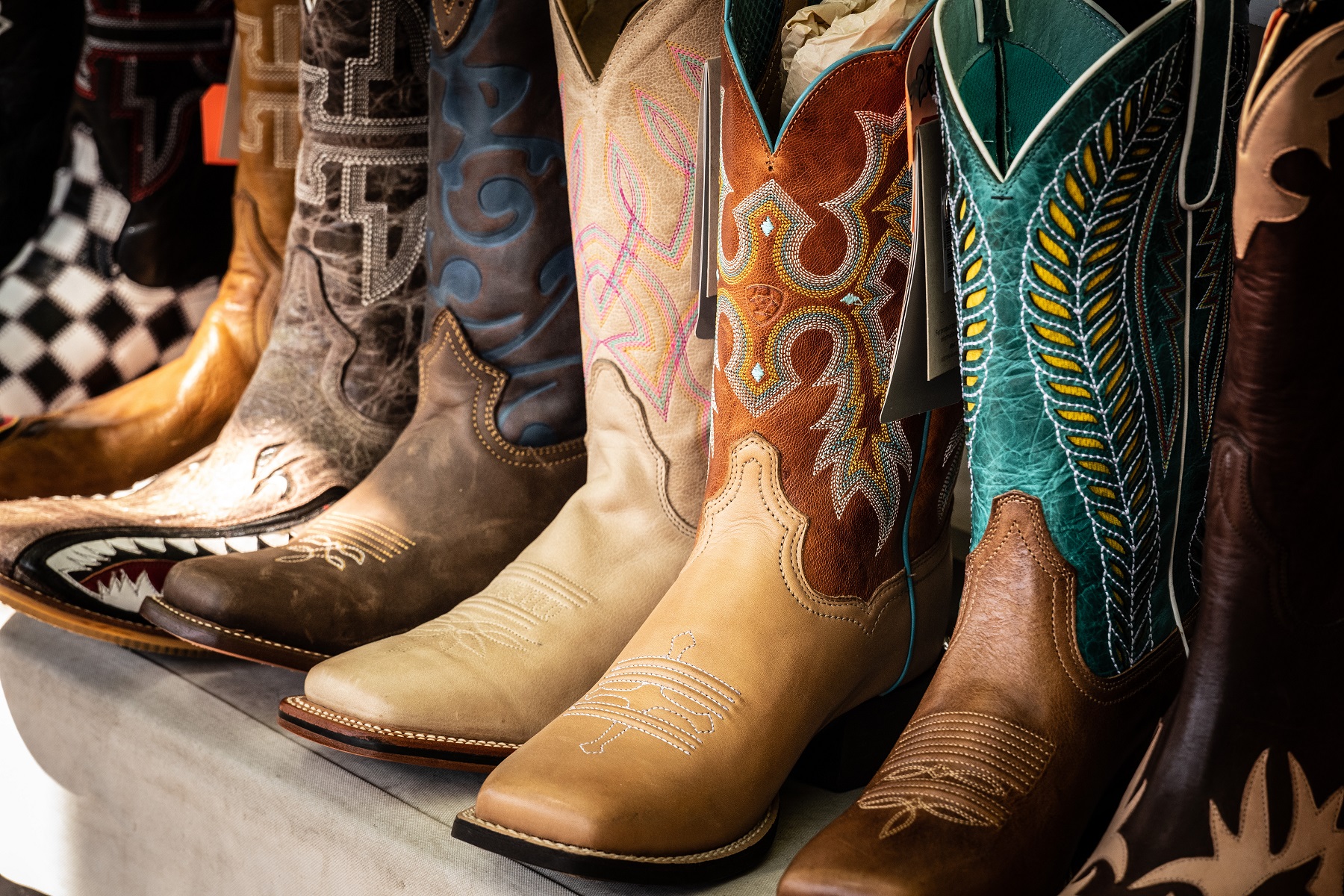
This guide covers every major cowboy boot heel style: what it was designed for, who it suits best, and how to match heel type to your actual demands. You'll also find a direct comparison table, a step-by-step selection process, and a maintenance strategy that protects your investment for years.
According to Wikipedia's overview of cowboy boot history, heel design evolved directly from equestrian needs — specifically to lock into stirrups and prevent a rider's foot from sliding through during a fall. That functional origin still drives every heel variant you see on shelves today.
Contents
- Matching Heel Types to Real-World Use
- Types of Heels in Cowboy Boots: Side-by-Side Comparison
- Pros and Cons of Each Heel Style
- How to Choose the Right Cowboy Boot Heel
- Quick Wins for Heel Comfort Right Now
- Common Heel Problems and How to Solve Them
- Long-Term Heel Care and Replacement Strategy
- Frequently Asked Questions
- Next Steps
Matching Heel Types to Real-World Use
Every major cowboy boot heel style was engineered for a specific working context. The moment you understand that context, the right choice becomes obvious. Picking based on looks alone is how people end up with sore feet and wasted money.
Riding Heels: Designed for the Saddle
The riding heel — also called the cowboy heel or underslung heel — stands between 1.75 and 2.5 inches tall with a sharply angled, undercut base. That geometry does one job extremely well: it catches a stirrup instantly and prevents the foot from sliding through during a fall or sudden horse movement.
- Height: 1.75–2.5 inches
- Base shape: Narrow, undercut (angled inward beneath the heel)
- Primary use: Horseback riding, ranch work from the saddle
- Surface performance: Poor on hard, flat surfaces — the narrow base creates forward lean and instability on concrete
If you spend real hours in a saddle, this heel is non-negotiable. On foot, however, that same undercut base becomes a liability. The forward pitch it creates compounds into serious fatigue after a full day of walking.
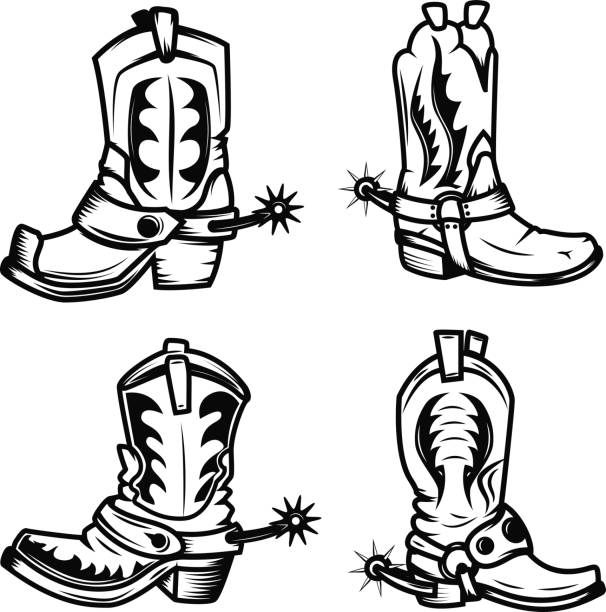
Roper and Walking Heels: Built for Ground Work
The roper heel sits at just 1 to 1.25 inches — flat, wide, and stable underfoot. Originally developed for rodeo ropers who dismount and sprint on foot, it translates directly to job sites, concrete floors, and long walking shifts.
- Height: 1–1.25 inches (roper); 1.25–1.5 inches (walking)
- Base shape: Wide, flat to gently beveled
- Primary use: Walking, standing trades, light construction, daily wear
- Surface performance: Excellent — stable and low-fatigue on any flat or moderately uneven surface
The walking heel is nearly identical to the roper but adds a slight bevel at the rear for a more natural heel-to-toe stride. Both styles are the top choice for tradespeople who need cowboy styling without sacrificing all-day walkability. If you're working through how to break in cowboy boots for the first time, a roper or walking heel will shorten that process significantly — the lower stack bends more readily than a tall riding heel.
Fashion and Spiked Heels: Style Over Function
Fashion cowboy boots — particularly women's styles — frequently feature heels reaching 3 inches or higher with a narrow, spiked or stiletto-like profile. These are dress shoes in cowboy clothing. They are not designed for sustained walking, climbing stairs, or any work environment.
- Height: 2.5–4+ inches
- Base shape: Very narrow, spiked
- Primary use: Social wear, fashion occasions only
- Surface performance: Hazardous on stairs, grates, wet surfaces, and soft ground
Wear these when appearance is the absolute priority. Keep them entirely off job sites and working environments.
Pro Tip: When shopping in person, place the boot flat on the store floor and press down firmly with one hand — if the heel rocks side to side, the base is too narrow for extended walking and you'll feel it within the first hour.
Types of Heels in Cowboy Boots: Side-by-Side Comparison
Use this table to cross-reference every major heel style against your specific priorities. The right heel isn't the most stylish one — it's the one that matches your actual environment and daily demands. For a broader look at how cowboy boots compare to other boot categories entirely, see our breakdown of different types of boots.
| Heel Type | Height | Base Width | Best For | Avoid When |
|---|---|---|---|---|
| Riding / Cowboy Heel | 1.75–2.5 in | Narrow, undercut | Horseback riding, ranch work | All-day walking on hard floors |
| Roper Heel | 1–1.25 in | Wide, flat | Walking, standing trades, job sites | Stirrup work — base too flat to lock in |
| Walking Heel | 1.25–1.5 in | Wide, beveled rear | Daily work wear, pavement, warehouse floors | Serious riding — slight heel roll present |
| Stacked Heel | 1.5–2 in | Medium | Dress occasions, light field use | Wet or muddy terrain without conditioning |
| Fashion / Spike Heel | 2.5–4+ in | Very narrow | Social events, fashion only | Any work environment or prolonged walking |
Pros and Cons of Each Heel Style
Every heel type involves real trade-offs. Knowing them in advance prevents buyer's remorse — especially on quality boots where the investment is significant.
Riding Heel
- Pros: Perfect stirrup engagement, adds visible height, classic Western silhouette, strong resale value
- Cons: Unstable on concrete and hard floors, forward lean compounds over long shifts, concentrates pressure on heel strike, requires longer break-in
Roper / Walking Heel
- Pros: Maximum ground stability, lower fatigue on extended shifts, shorter break-in period, better for anyone dealing with boots that rub your heel
- Cons: Won't catch a stirrup reliably, adds minimal height, less dramatic boot profile
Fashion / Spiked Heel
- Pros: Strong visual impact, elongates the leg line, available in the widest range of materials and colors
- Cons: Poor stability on any uneven surface, entirely unsuitable for work environments, accelerated heel tip wear, elevated ankle-roll risk
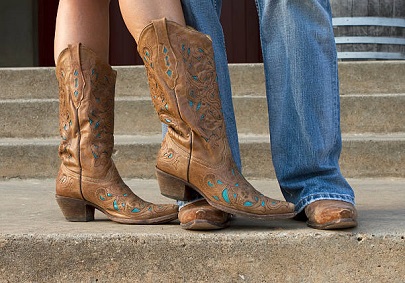
The stacked heel deserves a separate note. Constructed from layered leather strips bonded together, it offers a traditional look at medium height (1.5–2 inches). Stacked heels are uniquely resolvable — a skilled cobbler can replace individual layers rather than the whole unit — giving them a longevity advantage over solid rubber heels. Their one weakness is moisture: untreated stacked leather absorbs water, swells, and separates. Condition them consistently.
How to Choose the Right Cowboy Boot Heel
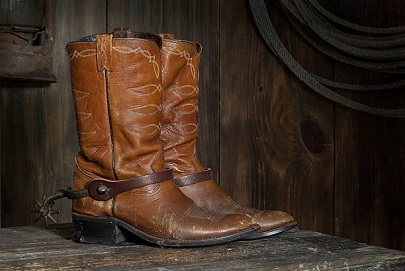
Most buyers default to whatever looks best on the shelf. That's the single most common source of boot regret. Run through this process before you commit to any pair — it takes five minutes and saves real money.
Step-by-Step Selection Process
- Identify your primary activity. Write down the single environment where you'll wear these boots 70% of the time — saddle, job site, pavement, or social events. That context drives the heel decision. Secondary use cases don't.
- Assess your surface type. Concrete, asphalt, and wood floors demand a wide-base heel. Dirt, pasture, and soft terrain tolerate the riding heel's narrow undercut far better than hard surfaces do.
- Audit your workday duration. If you're on your feet for six or more hours, drop back to a roper or walking heel regardless of aesthetic preference. Fatigue compounds fast with narrow, tall heels on hard surfaces.
- Factor in workplace safety standards. Certain job sites require boots with specific sole and heel ratings. Knowing how to determine if a shoe is non-slip matters here — heel base geometry directly affects the traction profile.
- Stand the test in the store. Balance on one foot in each boot. A stable heel won't wobble. Walk across the store floor and notice where pressure concentrates. Any rocking or discomfort at the store becomes genuine pain by hour six on a job site.
- Budget for break-in time. Stiffer heels on new leather boots require a deliberate break-in period. Skipping this step leads to blisters and premature returns.

Quick Wins for Heel Comfort Right Now
You don't always need new boots. These actions deliver immediate results on the pair you already own — most in under fifteen minutes.
- Add a silicone heel cup insert. A heel cup cushions impact and reduces rear-foot fatigue instantly. Available for under $15 at any pharmacy — no modification to the boot required.
- Condition the heel counter leather. A dry, stiff heel counter accelerates both discomfort and cracking. Learn how to condition leather correctly to keep the heel counter supple without over-softening the structural support.
- Roughen a worn, slick heel tip. A smooth heel tip on hard tile becomes a slip hazard. Run fine sandpaper across the contact surface to restore friction immediately.
- Upgrade your sock thickness. Thin dress socks in a work boot equals heel slip. A thicker work sock fills the heel pocket and eliminates most in-boot slippage without any boot modification at all.
- Have the heel counter stretched by a cobbler. If the counter digs into your Achilles tendon, a professional stretch takes one session and costs a fraction of new boots.
Warning: Never apply a heat gun or hairdryer to cowboy boot heels — the adhesive bonding the heel layers softens under direct heat and can delaminate, turning a minor wear issue into a structural failure.

Common Heel Problems and How to Solve Them
Heel problems follow predictable patterns. Most have a direct fix once you correctly identify the cause. Here's how to diagnose and resolve the ones you're most likely to encounter.
Heel Slippage Inside the Boot
Heel slip — where your foot lifts inside the boot with each step — is the most common complaint across all cowboy boot heel types. It signals a fit issue, not a defect.
- Cause: Boot shaft is too wide for your heel, or the instep fit doesn't lock your foot into the heel pocket
- Immediate fix: A thicker sock or a heel grip insert resolves roughly 80% of cases without any other modification
- Next step: If slipping persists, have a cobbler add an internal heel pad or re-last the heel counter to a tighter fit
- Normal vs. excessive: Cowboy boots are designed with a small heel lift in the walking stride — up to a quarter inch of lift is normal. More than that is a fit problem worth addressing directly
Worn-Down or Damaged Heels
Heavy-side or uneven wear on the heel tip accelerates the moment contact surface degrades. Once the rubber tip wears through to the heel's core material, damage becomes structural and significantly more expensive to repair.
- Tip wear only: Replace the rubber heel tip cap — a cobbler charges under $20 and it extends heel life by months
- Asymmetric wear pattern: Indicates a gait imbalance — get a podiatrist assessment before replacing the heel, or you'll replicate the same wear pattern on the new one
- Full heel rebuild needed: Review the complete process at cowboy boot heel replacement before deciding whether to handle it yourself or go to a professional
- Delaminating stacked layers: Requires immediate cobbler attention — continued wear drives moisture into the welt and accelerates damage exponentially
Embedded grit and debris grind through heel seams and adhesive faster than normal wear. A consistent cleaning routine prevents this. See how to clean leather boots for a proper method that covers heels and welts, not just the shaft.
Long-Term Heel Care and Replacement Strategy
A quality pair of cowboy boots can outlast a decade of use — if you manage the heels with intention. Most boots die prematurely from neglect, not wear. The strategy below works across all the major types of heels in cowboy boots.
Regular Maintenance Schedule
- Weekly: Wipe heel leather clean of dirt, grit, and moisture. Pay close attention to the seam where the heel meets the welt — this joint is where rot and delamination originate.
- Monthly: Apply leather conditioner to heel leather. Dry stacked leather absorbs water, swells, and separates. Conditioning blocks moisture infiltration before it starts.
- Every 3–6 months: Inspect heel tip rubber for wear depth. Replace the tip cap before wear exposes the heel base material — a $15 tip job prevents a $60 full heel rebuild.
- Annually: Have a cobbler assess the full heel stack for hidden delamination, particularly on riding heels used daily in field or ranch conditions.
When to Repair vs. Replace
Not every worn heel warrants full replacement. Use this decision framework:
- Tip wear only → tip cap replacement (cobbler, low cost, quick turnaround)
- Side wear with even pattern → heel rebuild (cobbler, medium cost)
- Asymmetric side wear → gait assessment first, then rebuild
- Delaminating stack → immediate rebuild before water reaches the welt
- Full structural failure with upper damage → boot retirement
If your boots carry quality leather uppers that remain structurally sound, a heel rebuild almost always beats purchasing new. High-quality leather boots worth rebuilding also deserve a consistent leather care routine. Protect the whole investment — not just the heel — by pairing heel maintenance with regular cleaning and conditioning across the entire boot.
Frequently Asked Questions
What is the most comfortable cowboy boot heel height for all-day wear?
The roper heel (1–1.25 inches) and walking heel (1.25–1.5 inches) are the most comfortable options for extended wear. Their wide, flat bases distribute weight evenly and eliminate the forward lean caused by taller riding heels. For tradespeople or anyone standing and walking for six or more hours, these two styles are the clear choice. Riding heels above 1.75 inches create measurable fatigue on hard, flat surfaces over long shifts.
Can I ride horses in roper-heel cowboy boots?
Technically yes, but it introduces a real safety risk. The roper's flat, wide base does not catch and hold a stirrup as reliably as an underslung riding heel. If your foot slips forward through the stirrup during a fall, the consequences are severe. For any sustained riding, use a heel with at least 1.75 inches of height and a clear undercut profile — that safety margin is not worth trading for walkability.
How often should cowboy boot heels be replaced?
Heel tip caps typically need replacement every 6–18 months depending on usage intensity and surface type. Full heel rebuilds are generally needed every 3–5 years for daily-wear boots used on hard surfaces. The critical indicator is wear depth — once you're grinding through the wood or compressed leather core beneath the rubber tip, repair costs escalate sharply. Inspect heel wear every three months and address early.
Next Steps
- Identify your primary boot environment — saddle, job site, or social — and match it against the comparison table above before your next purchase. One clear priority makes the heel choice obvious.
- Inspect your current cowboy boots' heel tips today. If wear has reached the base material beneath the rubber cap, schedule a cobbler appointment this week — catching it now costs a fraction of a full rebuild.
- Start a monthly heel conditioning routine. Pick a quality leather conditioner and apply it to heel leather and the welt seam on a set calendar date so it becomes a habit, not an afterthought.
- If you experience in-boot heel slippage, add a heel grip insert before assuming the boots are the wrong size — most fit issues resolve with a $10 insert and a thicker work sock.
- Bookmark our cowboy boot heel replacement guide now, before you need it. Knowing the repair process in advance helps you make the repair vs. replace call quickly and confidently when the time comes.


About Jason Flores
Jason Flores is a multi-talented individual whose unique journey has led him to blend his passion for craftsmanship and fashion into a creative endeavor. During his formative years, he found himself immersed in the world of handiwork, spending countless hours in his grandfather's workshop. These early experiences allowed him to develop a deep understanding of practical skills and a keen eye for detail.Simultaneously, Jason harbored an innate love for fashion, drawn to the artistry and self-expression it offers. As he grew older, he recognized the potential to combine his proficiency in craftsmanship with his fashion sensibilities. This realization led him to a path where he began to explore and write about the intersection of fieldwork fashion.
Get FREE Boots Gifts now. Or latest free toolsets from our best collections.
Disable Ad block to get all the secrets. Once done, hit any button below