Ever wondered whether the choice between electrical hazard vs static dissipative boots is just marketing jargon — or a decision that genuinely determines your safety on the job? The answer is definitive: these two standards protect against fundamentally different electrical threats, and confusing them leaves you dangerously exposed. Here's exactly what sets them apart and how to make the right call.
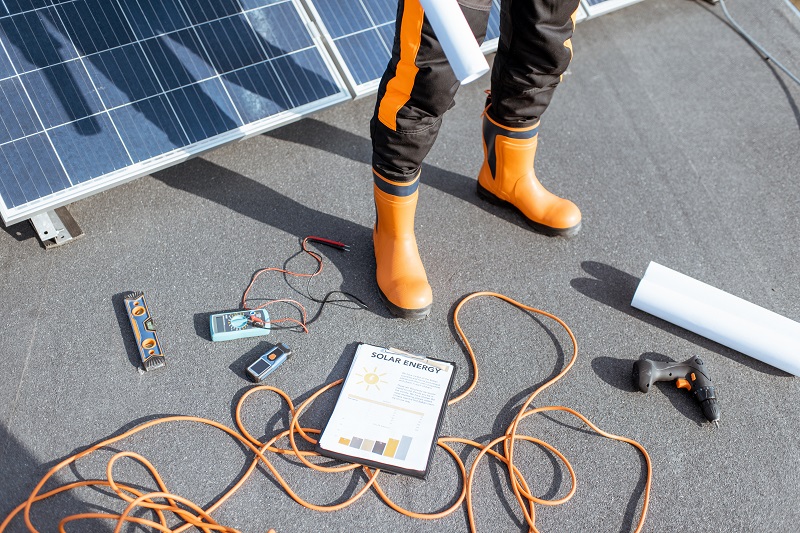
Both categories sit under the umbrella of electrical safety footwear, but they address opposite ends of the electrical risk spectrum. EH boots block high-voltage current from traveling through your body. SD boots bleed off static charge so it never accumulates enough to damage sensitive components or ignite flammable vapors. One shields you from the environment. The other shields the environment — and its equipment — from you.
Getting this wrong carries real consequences. Your footwear is a critical line of defense, but only when you've matched the standard to the actual hazard. If you're new to safety footwear classifications, the safety standards resource page covers the full regulatory landscape behind each rating.
Contents
- The Science Behind Electrical Safety Boot Standards
- Electrical Hazard vs Static Dissipative Boots: Core Differences
- Choosing the Right Boot for Your Workplace
- How to Read and Verify Your Boot's Electrical Rating
- Maximizing Protection: Tips from the Jobsite
- When Your Safety Boots Stop Doing Their Job
- Budget Reality: What Electrical Safety Boots Actually Cost
- Frequently Asked Questions
The Science Behind Electrical Safety Boot Standards
Electrical safety footwear wasn't always a tightly defined category. Standards have sharpened considerably over the decades. Today, the primary benchmark governing both EH and SD ratings in North America is OSHA's electrical hazard framework, which aligns with ASTM F2413 — the specification for protective footwear used across construction, industrial, and manufacturing environments.
The standard assigns specific codes to electrical protective features:
- EH (Electrical Hazard): Boots marked "EH" withstand 18,000 volts at 60 Hz for one minute with no current leakage exceeding 1 milliamp. They function as open-circuit shock insulators.
- SD (Static Dissipative): Boots marked "SD" limit static charge buildup. Electrical resistance falls between 100 kilohms and 500 megohms — a controlled dissipative path to ground rather than a full block.
- CD (Conductive): A third, less common classification that maximizes conductivity to eliminate all static immediately. Niche application — rarely appropriate outside specific explosive-hazard settings.
Why Insulation and Dissipation Are Mutually Exclusive
Here's what most buyers miss: insulation and static dissipation are engineering opposites. A maximally insulating sole (EH) cannot simultaneously provide a controlled static discharge path (SD). The materials conflict. That's why credible dual-rated boots are rare — and why your specific work environment must drive the specification, not price or brand loyalty.
Electrical Hazard vs Static Dissipative Boots: Core Differences
The comparison below covers every dimension that matters when you're standing in a safety supply store trying to make the right call. If you're also weighing toe cap options, our guide on composite toe vs steel toe is essential reading — metal toe caps interact directly with EH ratings in ways most workers don't anticipate.
| Feature | EH (Electrical Hazard) | SD (Static Dissipative) |
|---|---|---|
| Primary Protection | Protects wearer from external current | Dissipates static buildup from wearer |
| Resistance Range | Very high (>500 megohms) | Controlled (100 kΩ – 500 MΩ) |
| ASTM Standard | ASTM F2413 EH | ASTM F2413 SD |
| Typical Environments | Construction, electrical work, utilities | Electronics manufacturing, chemical plants |
| Protection Direction | Environment → Wearer | Wearer → Environment / Equipment |
| Wet Condition Effectiveness | Compromised — moisture reduces insulation | Varies — some SD paths rely on humidity |
| Compatible with Metal Toe Caps | Yes, when sole is EH-rated | Depends on full-boot construction |
How EH Protection Works
EH boots use non-conductive soles and heels — typically rubber or polyurethane compounds — to break the electrical circuit. If you contact a live conductor, the boot prevents current from finding a path through your body to ground. It's secondary protection only. EH footwear does not replace lockout/tagout procedures, insulated gloves, or arc flash gear. It supplements them.
How SD Protection Works
SD boots incorporate slightly conductive materials — carbon-fiber threads or specialized compounds — into the sole construction. These create a high-resistance path to ground that bleeds static charge gradually and safely, preventing the sudden discharge that destroys microchips, triggers flammable vapor ignition, or produces painful static shocks. The path is carefully engineered: enough conductivity to dissipate, not enough to create a shock hazard.
Choosing the Right Boot for Your Workplace

Boot selection should never come down to personal preference or what's on sale. Your employer's hazard assessment — required under OSHA — defines which category you need. If that assessment hasn't been completed, push for one before you buy. The wrong boot creates a false sense of security, which is more dangerous than no boot at all.
When EH Boots Are the Right Choice
Choose EH boots when your primary risk is contact with energized conductors or live electrical equipment. These environments require EH-rated footwear:
- Residential and commercial electrical installation
- Construction sites with active electrical systems
- Utility line work (as a secondary insulation layer)
- HVAC installation where live panels are accessible
- Industrial maintenance on powered equipment
If your site also requires non-metallic toe caps — common when EH insulation must extend through the toe box — the Danner Vicious NMT Work Boot is worth a hard look. NMT construction pairs naturally with EH soles for comprehensive protection.
When SD Boots Are the Right Choice
Choose SD boots when your risk is static discharge damaging equipment or igniting flammables — not live current exposure. These workplaces typically mandate SD footwear:
- Semiconductor and electronics assembly cleanrooms
- Explosive storage and handling facilities
- Chemical plants with flammable vapor atmospheres
- Computer server rooms and data centers
- Pharmaceutical manufacturing environments
Do not wear EH boots in static-sensitive environments. A boot optimized for electrical insulation traps static charge and makes you a walking ESD threat to precision components and flammable atmospheres.
How to Read and Verify Your Boot's Electrical Rating
Buying the right boot is step one. Verifying that it actually meets the rating — and continues to meet it after months of hard use — is where most workers fall short. Follow these steps at purchase and periodically throughout the boot's service life.
- Check the interior label. ASTM F2413-compliant boots list all applicable codes on the inside label. Look for "EH" or "SD" printed with the standard designation. If the label only says "electrically resistant" without an ASTM code, that's marketing language, not a certified rating.
- Inspect the outsole visually. EH soles must show no visible cracks, punctures, or embedded conductive debris. A cracked sole loses its insulating integrity immediately — there are no partial EH ratings.
- Check for sole contamination. Conductive substances — metal shavings, carbon deposits, saltwater — on the sole can bridge an EH boot's protective gap. Clean soles thoroughly before any work near live circuits.
- Replace after any electrical incident. If your boot contacts a live conductor, retire it. You cannot visually confirm whether the sole's insulating properties survived the event. Assume they didn't.
- Honor manufacturer replacement timelines. Sole materials degrade with UV exposure, chemical contact, and mechanical wear. Most EH boots are rated for a specific service life. When in doubt, replace before you need to find out the hard way.
If you're replacing boots and need strategies for getting them ready for the jobsite quickly, our guide on how to break in work boots covers proven methods that apply to both EH and SD footwear without compromising the sole structure.
Maximizing Protection: Tips from the Jobsite
Even a perfectly rated boot fails to protect you if you don't manage the variables around it. These are the practical adjustments experienced tradespeople make — and that most safety training programs overlook entirely.
Pro insight: Always pair EH boots with dry socks and a dry boot interior — moisture inside creates a conductive path that bypasses your EH sole completely, regardless of how new the boot is.
- Keep the sole clean and dry. EH protection depends entirely on sole integrity. Water, oil, and conductive debris all degrade it in real time.
- Never substitute insoles in SD boots. A non-SD-rated insole interrupts the engineered discharge path through the boot. Use only manufacturer-approved or SD-certified replacement insoles.
- Match your socks to the boot standard. Anti-static socks pair with SD boots. Standard wool or cotton works with EH — but avoid socks with metallic fibers when EH protection is critical.
- Evaluate slip resistance separately. Neither EH nor SD ratings tell you anything about traction. If outsole grip matters for your environment — and it usually does — our guide on how to determine if a shoe is non-slip gives you a systematic framework for evaluating that independently.
- Inspect before every shift. EH sole integrity degrades invisibly. A pre-shift visual check on outsole condition takes thirty seconds and can prevent a life-altering incident.
When Your Safety Boots Stop Doing Their Job
Electrical safety boots fail silently. Unlike a blown fuse or tripped breaker, there's no indicator light telling you that your protection has degraded. Knowing the failure modes — and catching them before they catch you — separates experienced workers from injured ones.
EH Boot Failure Modes to Watch For
- Cracked or delaminated soles: The most common failure point. Even hairline cracks create a current path. Retire the boot immediately — don't tape it and carry on.
- Puncture damage: A nail or sharp metal object through the outsole eliminates EH protection at that penetration point. The rest of the sole does not compensate.
- Chemical degradation: Solvents, acids, and petroleum products soften rubber and PU outsoles over time. In chemical environments, inspect soles weekly, not monthly.
- Worn-through outsole: Heavy wear exposes inner layers that carry no EH certification. Replace before you reach this stage, not after.
SD Boot Failure Modes to Watch For
- Insulating contamination on the sole: Thick rubber mats, paint overspray, or certain oils can block the dissipative path. The boot stops discharging static effectively while appearing undamaged.
- Non-SD insole substitution: Swapping the factory insole for a standard replacement breaks the engineered discharge path through the boot stack.
- Excessive outsole wear: Conductive elements in SD soles are concentrated in specific zones. Worn-through areas eliminate the dissipative pathway without any visible warning.
Budget Reality: What Electrical Safety Boots Actually Cost
Safety-rated footwear spans a wide price range. Understanding where the money goes — and where you shouldn't cut corners — makes you a smarter buyer without overspending on features your environment doesn't require.
EH Boot Price Tiers
- Entry-level ($80–$120): Basic EH-rated boots suitable for intermittent electrical exposure. The Dickies Athletic Work Shoe sits in this tier — EH protection in a lighter, more breathable package. Expect basic comfort features and shorter service life under daily hard use.
- Mid-range ($130–$200): The sweet spot for most tradespeople. Better outsole compounds, improved cushioning, quality leather uppers, and more reliable long-term EH integrity. Brands like Danner, Thorogood, and Timberland Pro dominate here.
- Premium ($200–$350+): Purpose-built for demanding environments and daily wear. Full-grain leather, advanced midsole technology, and superior sole compounds with longer certified service life. The cost-per-day math consistently favors premium boots over multiple replacements of cheaper pairs.
SD Boot Price Tiers
- Entry-level ($70–$110): Basic SD-rated footwear common in general electronics assembly. Adequate for controlled cleanroom environments with lower static sensitivity requirements.
- Mid-range ($120–$200): More durable construction with reliable ESD control, appropriate for pharmaceutical and chemical environments where dissipation consistency matters.
- Specialty ($200+): Cleanroom-certified SD boots with additional contamination controls. Required in Class 1 semiconductor fabrication environments where a single ESD event can destroy high-value components.
The Real Cost of the Wrong Boot
A $90 boot with the wrong rating isn't a bargain — it's a liability. ESD damage to a single circuit board can exceed the cost of a premium SD boot. A shock incident near live panels carries costs measured in hospital bills, lost workdays, and workers' comp claims. The right boot for your specific hazard is always the economical choice.
Frequently Asked Questions
Can I wear EH boots in an environment that requires SD footwear?
No. EH boots are highly insulating, which means they trap static charge rather than dissipating it. In static-sensitive environments — electronics manufacturing, explosive storage, chemical processing — wearing EH boots makes you a static hazard to precision equipment and flammable atmospheres. Always match your boot to the specific hazard classification, not a general "electrical safety" label.
Do EH boots protect against all electrical hazards?
No. EH boots provide secondary protection against open-circuit shock under dry conditions. They do not protect against sustained electrical arc, flash events, or high-voltage direct contact where the boot becomes part of the active circuit. EH footwear supplements — it never replaces — proper lockout/tagout procedures, insulated tools, and appropriate arc flash PPE.
How often should I replace electrical safety boots?
Most manufacturers recommend replacement every 12–18 months under regular daily use. Replace immediately after any electrical incident regardless of visible damage, after any puncture or significant sole cracking, and when chemical exposure has visibly softened or discolored the outsole. The ASTM certification applies to new boots — a worn or damaged boot carries no guaranteed protection regardless of its original rating.
Can a single boot be certified for both EH and SD standards?
Rarely, and you should scrutinize such claims carefully. EH protection requires maximum electrical resistance while SD protection requires a controlled lower-resistance path — these are engineering opposites achieved through conflicting material choices. If you work in an environment that appears to require both, consult your safety officer to identify which hazard takes priority, then select accordingly.
Does moisture inside the boot compromise EH protection?
Yes, significantly. Wet socks or a damp boot interior create a conductive path that bypasses the EH sole's protective barrier entirely — the current routes through the moisture rather than being blocked by the outsole. Always wear dry socks, maintain a dry boot interior, and allow wet boots to dry completely before relying on EH protection near live electrical systems.
Your boot's label means nothing if it's the wrong label for your hazard — choose the standard that matches the threat, not the one that matches your budget.


About Jason Flores
Jason Flores is a multi-talented individual whose unique journey has led him to blend his passion for craftsmanship and fashion into a creative endeavor. During his formative years, he found himself immersed in the world of handiwork, spending countless hours in his grandfather's workshop. These early experiences allowed him to develop a deep understanding of practical skills and a keen eye for detail.Simultaneously, Jason harbored an innate love for fashion, drawn to the artistry and self-expression it offers. As he grew older, he recognized the potential to combine his proficiency in craftsmanship with his fashion sensibilities. This realization led him to a path where he began to explore and write about the intersection of fieldwork fashion.
Get FREE Boots Gifts now. Or latest free toolsets from our best collections.
Disable Ad block to get all the secrets. Once done, hit any button below