The chukka vs desert boot debate has a cleaner answer than most footwear guides admit: the desert boot is a chukka. It's the most famous variant of the style — the one Clarks built a legacy on — but it belongs to a broader category. If you've been browsing our boot reviews trying to figure out which one to buy, you're comparing a parent style to one of its most successful children. That distinction matters when you're spending real money on footwear you expect to last.
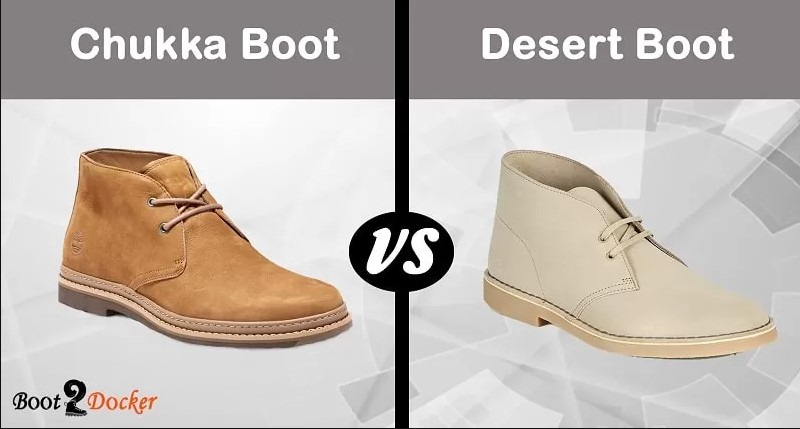
Both styles share the same silhouette: ankle height, two or three eyelets, minimal upper detailing. What creates real differences is construction — sole material, upper material, and how each boot handles the demands you put on it daily. A full-grain leather chukka on a rubber sole behaves completely differently from a suede desert boot on a crepe sole, even though the two look nearly identical in a product photo.
This guide covers the history, the real specs, where each boot works and where it fails, the mistakes that quietly ruin both styles, and how to keep them looking sharp for years. No padding — just what you need to make the right call.
Contents
- From Polo Fields to Pavement: The Origins of Both Styles
- Chukka vs Desert Boot: What the Differences Actually Mean
- When These Boots Earn Their Place — and When They Don't
- Solving the Most Frustrating Fit and Wear Problems
- The Errors That Quietly Ruin a Good Boot
- Keeping Your Boots Looking Sharp for Years
From Polo Fields to Pavement: The Origins of Both Styles
The chukka boot takes its name directly from polo. A "chukka" is one playing period in the sport — roughly seven minutes long — and players needed a boot that provided ankle support without the bulk of a full riding boot. The ankle-high, two-eyelet silhouette that came out of that sporting context became the chukka boot. British military officers adopted similar styles off-duty, and by the mid-20th century the design had crossed fully into everyday civilian menswear.
How the Desert Boot Got Its Name
Nathan Clark, a designer working for the Clarks shoe company, encountered simple suede ankle boots with crepe rubber soles being sold in Cairo's bazaars in the late 1940s. He brought the concept back to England, refined the pattern, and launched what became the Clarks Desert Boot — a name referencing both the wartime North African setting where the style was discovered and the boot's sandy suede palette. It debuted at the Chicago Shoe Fair in 1950 and found its mainstream audience in the 1960s British mod scene. The lightweight suede and cushioned crepe combination was unlike anything else in menswear at the time, and that novelty drove its staying power.
How the Chukka Evolved Beyond Its Roots
Once the desert boot proved the format's appeal, manufacturers expanded the chukka in every direction. Leather soles replaced crepe for dressier versions. Full-grain leather uppers appeared alongside suede. Three-eyelet configurations gave a slightly more formal profile. Work boot manufacturers went further still — adding composite safety toes, electrical hazard ratings, and slip-resistant outsoles to the same ankle-height silhouette. Today the chukka is a format, not a fixed product, spanning everything from weekend casual to full industrial safety compliance. The desert boot remains the most iconic expression of the format, but it's far from the only one.
Chukka vs Desert Boot: What the Differences Actually Mean
Knowing that a desert boot is a chukka doesn't tell you which one to buy. The practical differences come down to construction details that drive real-world performance. When someone says "chukka" without qualification, they typically mean a leather-uppered, leather or rubber-soled boot with a slightly dressier character. When they say "desert boot," they mean suede upper and crepe sole. Those two features — upper material and sole — determine almost everything else about how the boot performs, ages, and needs to be maintained.
Construction and Materials Side by Side
| Feature | Chukka (Standard) | Desert Boot |
|---|---|---|
| Upper material | Full-grain or corrected-grain leather | Suede or nubuck |
| Sole material | Leather, rubber, or synthetic | Crepe rubber |
| Eyelet count | 2–3 | 2 |
| Formality level | Smart casual to business casual | Casual to smart casual |
| Water resistance | Moderate to good (rubber sole) | Low — suede absorbs moisture readily |
| Weight | Moderate | Light |
| All-day cushioning | Variable by sole type | Excellent (crepe) |
| Break-in period | Longer — leather stiffens initially | Shorter — suede softens quickly |
The crepe sole on a desert boot is its biggest advantage and its primary limitation. Crepe delivers excellent impact absorption — far better than a thin leather sole — but it picks up dirt aggressively, softens in heat, and wears down faster than rubber. A rubber-soled leather chukka handles wet weather, rough pavement, and seasonal temperature swings far better. If you're on your feet all day on flat, dry surfaces, the desert boot wins on comfort. In most other real-world conditions, the standard chukka with a rubber outsole outperforms it.
The Fit Difference You Won't See on a Product Page
Suede stretches more than leather — noticeably more in the first two weeks of wear. A desert boot that feels slightly snug on day one will often reach a comfortable fit by day ten without any intervention. A leather chukka stretches less aggressively, so your starting fit needs to be more accurate from the moment of purchase. If you're between half sizes, size down in suede and go true to size in leather. Both styles generally follow standard sizing, but lasts vary significantly between manufacturers — the same size from two different brands can feel like completely different boots on your foot.
When These Boots Earn Their Place — and When They Don't
Both styles are versatile, but neither is universal. Knowing exactly where each excels saves you from buying the wrong boot for how you actually live and work.
Situations Where Each Style Delivers
A leather chukka handles these situations well:
- Business casual environments where you want polish without committing to a full dress shoe
- Evening settings that sit between casual and formal — restaurants, events, after-work plans
- Travel days where one pair needs to cover walking, dining, and professional meetings
- Year-round wear, since leather transitions across seasons better than suede
A suede desert boot handles these better:
- Warm-weather casual outfits built around chinos, selvedge denim, or tailored shorts
- Weekend errands and social settings where comfort matters more than durability
- Any context where lightweight footwear is a priority over all-day structure
- Outfits where the textural contrast of suede adds visual interest that leather doesn't
Conditions to Avoid Entirely
Neither style belongs in these situations:
- Wet weather without treatment — suede absorbs water and stains permanently; leather-soled chukkas offer minimal grip on slick surfaces
- Job sites with falling object hazards, electrical risks, or mandated slip resistance — before assuming any casual boot meets workplace safety requirements, read our guide on how to determine if a shoe is non-slip
- Cold climates without insulation — neither style provides meaningful thermal protection
- High-mileage days on rough or uneven terrain, where the minimal ankle height offers little lateral support
If your workplace requires rated safety footwear, a chukka-format work boot with a composite toe and certified outsole is a categorically different product from the casual versions this guide covers. Don't let the shared silhouette confuse you about safety classifications.
Solving the Most Frustrating Fit and Wear Problems
Break-In Pain That Lingers
Both boots should reach comfortable wear within two weeks of regular use. If you're still dealing with pain after that window, you're facing one of three problems: wrong size, wrong last for your foot shape, or inadequate break-in technique. Leather chukkas benefit from thick socks during the first several outings — the added volume accelerates stretch in the right places. Suede desert boots soften faster but can develop pressure points around the ankle collar if the last doesn't suit your instep height or foot width.
The techniques in our guide on how to break in work boots apply directly here — gradual wear-time increases outperform forcing a full day in a stiff new boot, every time. Start with an hour or two, add time each day, and let the leather or suede conform naturally.
Pro tip: Never apply heat to accelerate break-in on suede or crepe — you'll permanently deform the sole and distort the upper's shape before the boot ever has a chance to conform to your foot.
Heel Slip and Loose Fit
Some heel slip in the first week of wear is normal break-in behavior. If it continues past 10 to 15 wears, the boot is simply too long. A chukka or desert boot offers only two eyelets — you can't cinch the ankle the way you can in a full lace-up work boot. Your real options are an aftermarket insole to add volume or sizing down at your next purchase. Heel grip pads offer marginal improvement but don't fix a fundamentally wrong size. If you're buying online without a try-on opportunity, prioritize brands with consistent sizing reviews over those with frequent complaints about variation between runs.
The Errors That Quietly Ruin a Good Boot
Using the Wrong Cleaning Method
The most common error with suede desert boots is treating them like leather. Leather cleaners and conditioners will permanently stain suede — the oils saturate the open fiber structure and create dark, uneven blotches that no brush will remove. Suede requires a dedicated brass or nylon-bristle brush for routine cleaning and a suede eraser for isolated scuffs. For deeper stains, use a suede-specific cleaner applied with light pressure, let it dry completely, then brush in one direction to restore the nap.
For leather chukkas, the mistake runs the opposite direction — relying on water alone or reaching for household soap. Our detailed guide on how to clean leather boots covers the correct sequence: leather cleaner first to lift surface contamination, conditioner second to restore moisture and flexibility, and polish third when you want a finished surface. Skipping conditioner after cleaning is one of the most reliable ways to crack a good pair of boots prematurely.
Skipping Water Protection Before First Wear
Walking a suede desert boot through a single heavy rain without prior waterproofing treatment causes permanent tide marks and texture change. A fluorocarbon-based suede protector applied before first wear and refreshed every few months is the baseline most people skip — and then wonder why their boots look aged after one season. The protector won't make suede waterproof, but it buys you enough time to get indoors before irreversible damage sets in. Apply it in a ventilated space; the spray is not something you want to inhale in an enclosed room.
Leather chukkas are more forgiving in rain but still vulnerable to salt stains in winter. If yours go through salted sidewalks regularly, wipe them down immediately after each outing — salt draws moisture out of leather and leaves residue that degrades the finish over time.
Ignoring Sole Wear Until It's Too Late
Crepe soles compress and harden over time without showing obvious visual damage. By the time a crepe sole looks worn, it's been underperforming for months. Check yours every three to four months by pressing a fingernail firmly into the center — fresh crepe yields noticeably under pressure; compressed crepe resists. Leather soles on chukkas need periodic conditioning to prevent cracking at the welt seam. A dry leather sole will fail there before the upper shows any sign of age. Catching sole wear early is always cheaper than a full resoling or replacement.
Keeping Your Boots Looking Sharp for Years
Quick Wins That Pay Off Immediately
These habits take less than five minutes combined and account for the majority of the difference between a boot that lasts two years and one that lasts seven:
- Brush after every wear: A horsehair brush removes surface dust before it embeds into suede fibers or leather grain. Thirty seconds per boot.
- Cedar shoe trees: Insert after each wear to maintain the toe box shape, prevent upper creasing, and absorb residual moisture. This single habit extends boot life more than any cleaning product you can buy.
- Rotate pairs: Daily wear compresses the insole and prevents the upper from drying between outings. Alternating with even one other pair adds years to both.
- Waterproof before first wear: If your suede desert boot hasn't been treated, apply protector before the next time you wear it — not after the first rain damage appears.
A Long-Term Care Routine That Actually Works
For leather chukkas, condition every four to six weeks under regular wear. Our guide on how to condition leather explains the difference between conditioner and polish clearly — don't conflate them. Conditioner penetrates the leather to restore flexibility and prevent cracking from the inside out. Polish adds a surface layer of protection and shine. Use both, in that order, with a day's drying time between applications.
For suede desert boots, conditioning doesn't apply — the open-fiber structure of suede doesn't accept oil the way full-grain leather does. Brushing is your primary maintenance tool. If the nap flattens significantly with wear, a suede reviver spray or brief steam treatment held at a distance — not soaked — raises the fibers back without water damage. For color restoration on faded suede, a matched suede dye outperforms any cleaning product at bringing back the original tone.
If an aging leather chukka has lightened from sun exposure or heavy wear, our guide on how to darken leather boots covers both oil-based and dye-based approaches that restore depth without damaging the finish. Knowing your options before the leather shows too much wear gives you far more to work with.
Frequently Asked Questions
Are chukka boots and desert boots the same thing?
A desert boot is a specific type of chukka boot — the suede, crepe-soled version made famous by Clarks. All desert boots are chukkas, but not all chukkas are desert boots. The broader chukka category includes leather-uppered, rubber-soled, and safety-rated work boot versions that share the silhouette but serve entirely different purposes.
Can I wear a chukka boot to work?
It depends on your workplace. A leather chukka works well in business casual and smart casual office environments. Neither a standard chukka nor a suede desert boot is appropriate for job sites requiring slip-resistant soles, safety toes, or electrical hazard ratings. Work environments with those requirements need a purpose-built work boot that happens to use the chukka silhouette — not a casual dress boot in the same shape.
How do I choose between a leather chukka and a suede desert boot?
Choose a leather chukka if you need year-round versatility, better wet-weather performance, or a slightly dressier look that scales from office to evening. Choose a suede desert boot if you prioritize lightweight comfort, plan to wear it mostly in warm and dry conditions, and you're willing to put in the maintenance work that suede demands. Both are excellent boots — in the right context for each.
The best boot isn't the one with the more famous name — it's the one built for the conditions you actually walk through every day.


About James Miller
James Miller is a dedicated individual based in the vibrant city of San Francisco, CA, USA. His unwavering passion lies in the realm of construction, where he finds fulfillment in exploring and documenting various facets of construction equipment and processes. A graduate of the University of California Merced, James holds a dual degree in mechanical and electrical engineering, which has equipped him with a solid foundation in technical knowledge.With a keen eye for detail and a knack for articulation, James has channeled his enthusiasm into writing about the intricacies of construction gear and methodologies. His insightful writings offer valuable insights to both industry professionals and curious enthusiasts, shedding light on the machinery and techniques that shape the built environment.James Miller's educational background in mechanical and electrical engineering lends credibility to his work, allowing him to delve into the technical nuances of construction with precision. His passion for sharing knowledge and fostering understanding in the construction field is evident in his contributions, making him a respected voice in the industry.
Get FREE Boots Gifts now. Or latest free toolsets from our best collections.
Disable Ad block to get all the secrets. Once done, hit any button below